








Custom T-Shirt Printing in Evansville, Indiana – Screen Printing, DTF, DTG, and Personalized Apparel
Evansville sits on a broad bend of the Ohio River in southwestern Indiana and serves as the county seat of Vanderburgh County. The river shaped the city's earliest growth, while later manufacturing, transportation, healthcare, education, arts, sports, neighborhood organizations, and regional commerce expanded its role as a center for southwestern Indiana and the surrounding tri-state area. The region also contains Angel Mounds, evidence of a large Indigenous community that flourished centuries before Evansville was founded.
For custom apparel, Evansville suggests a practical design approach: decide where information should stop. A business description can be accurate but still contain more words than a shirt needs. An event design may have room for five sponsors but become difficult to understand when ten more are added. A family project can include several meaningful photographs, yet one additional image may turn a readable composition into a crowded collage. Establishing stopping points can keep useful information from becoming visual accumulation.
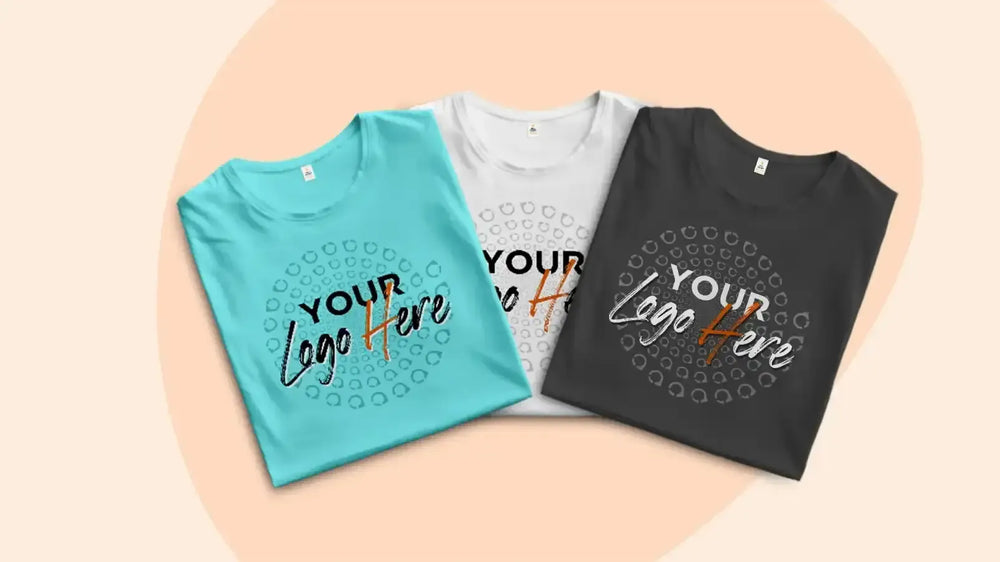
Custom One provides online custom t-shirt printing for customers and projects in Evansville, Indiana. Eligible orders can range from one custom T-shirt with no minimum to business apparel, family shirts, student projects, volunteer clothing, recreational garments, creator merchandise, and larger bulk orders using original, licensed, or appropriately authorized artwork.
Know When the Design Has Enough Information
Consider a fundraiser shirt containing the organization name, campaign title, date, original illustration, sponsor logos, website, social account, volunteer role, and a short message. Each item can have a legitimate reason to appear. That does not automatically mean all of them should.
A stopping point can be established by asking whether another element changes what the wearer or viewer understands. If the organization is already clearly identified, repeating its full name elsewhere may add little. If an illustration communicates the event theme, three additional decorative icons may not improve the message. If a website is essential, a full street address may be unnecessary.
This approach is especially useful for organizations receiving input from several people. It creates a reason to finish the composition rather than continuing to add material simply because someone suggested another idea.
The Ohio River Was Central to Evansville's Early Development
Evansville was laid out along the Ohio River after Hugh McGary acquired land in the area in 1812. The community was named for Robert Evans and became the county seat of newly created Vanderburgh County in 1818. During the early decades, the river provided an essential transportation connection when overland routes remained limited.
The Ohio River remains one of the clearest geographic subjects for independent Evansville artwork. A designer might develop an original riverbend illustration, create a non-official navigation-inspired composition, or work with creator-owned waterfront photography. Environmental groups could develop original educational artwork about watersheds, river habitats, flooding, or water quality using legitimate research.
Government maps, navigation charts, agency marks, professional river photographs, corporate transportation identities, conservation-organization logos, and another illustrator's river artwork may have separate reproduction conditions.
Business Apparel Benefits from a Defined Information Limit
Evansville's regional economy includes healthcare, manufacturing, logistics, education, finance, construction, retail, restaurants, professional services, energy-related businesses, home services, entertainment, and many other fields. Employee clothing can serve identification, customer-facing, promotional, or merchandise purposes.
An approved logo and employee role may be enough for a staff shirt. A service business might add one concise description rather than a complete catalog of services. Customer merchandise may need even less operational information, allowing the brand artwork to function without becoming a wearable business card packed with small text.
Suitable repeatable company graphics may be considered for screen printing. Organizations preparing larger quantities can explore bulk custom T-shirt printing.
Standard decorated apparel should not automatically be considered high-visibility clothing, flame-resistant workwear, medical protective equipment, chemical-resistant garments, food-safety clothing, or another specialized occupational product. Employers requiring technical properties should verify the specifications of the underlying garment.
Angel Mounds Places Evansville within a Much Older Human Landscape
East of central Evansville, Angel Mounds State Historic Site preserves evidence of a major Mississippian settlement along the Ohio River. Beginning around A.D. 1000, Indigenous people developed a substantial community that included platform mounds, dwellings, a central plaza, agricultural activity, and defensive structures. The settlement was part of a much larger network of communities extending along the Ohio River.
This history predates the modern city by centuries and should not be reduced to decorative imagery. Archaeological sites and earthworks can also hold continuing cultural and sacred significance for Native peoples.
Archaeological diagrams, artifact photographs, museum graphics, excavation records, interpretive illustrations, site maps, cultural imagery, and works by identifiable Indigenous artists should not automatically be treated as merchandise assets simply because they are visible in publications or exhibitions.
Independent projects can instead commission original non-cultural artwork about the Ohio River landscape, agriculture, environmental history, architecture, transportation, or another appropriate subject unless culturally specific material has been properly authorized and contextualized.
Industrial History Offers Many Subjects besides Corporate Marks
Evansville developed into an important manufacturing center, with industries over time connected with machinery, refrigerators and appliances, automobiles, food products, plastics, metalworking, and other manufactured goods. Wartime production also became an important chapter in the city's twentieth-century industrial history.
A family whose history includes factory work might create a shirt around an authorized personal photograph, occupation, years of service, or an original illustration of a general manufacturing process. A historical organization could commission new artwork explaining how a particular industry influenced the city.
Historical company logos, current trademarks, product designs, advertisements, engineering drawings, professional factory photographs, union marks, and branded equipment may have identifiable rights holders. A person's employment history does not automatically provide merchandise rights to the employer's branding.
World War II Production Is a Distinct Evansville Story
During World War II, Evansville became a significant manufacturing center for the American war effort. Local facilities contributed aircraft, ships, ammunition, and other military-related production. Thousands of workers participated in this industrial expansion, making wartime manufacturing an important part of many regional family histories.
Historical apparel can focus on the people and work without falsely presenting the garment as official military merchandise. Families may use authorized personal photographs, while illustrators can create independent historical compositions based on legitimate research.
Official military seals, unit insignia, badges, government marks, aircraft or ship insignia, archival government imagery, contractor logos, and other protected or restricted material may require authorization. A historical subject should not be presented in a way that falsely implies current military affiliation, endorsement, rank, decoration, or official status.
University Projects Can Stop before Institutional Branding Takes Over
The University of Evansville traces its history to an institution founded in Moores Hill, Indiana, in 1854. Community support helped bring the college to Evansville, where it reopened as Evansville College in 1919; it became the University of Evansville in 1967. The city also supports other higher-education opportunities and a large network of schools and educational programs.
Students may create apparel for engineering projects, theatre productions, research groups, service activities, music, publications, academic teams, student businesses, graduation gatherings, and independent clubs. Original participant-created work can provide the subject without requiring a collection of university symbols around it.
University and school names, logos, seals, mascots, athletic identities, departmental marks, and related branding may be protected and can require authorization. Independent merchandise should not falsely imply official licensing, sponsorship, endorsement, or institutional approval.
Family Stories Do Not Have to Fit Entirely on One Shirt
Evansville families may create apparel for reunions, weddings, birthdays, anniversaries, graduations, retirement celebrations, memorial gatherings, vacations, and other occasions. These projects sometimes begin with a large archive of photographs, names, places, occupations, dates, and stories.
A shirt can represent that history without reproducing every available piece of it. One authorized photograph may capture the people being celebrated. A surname and year can establish context. An original illustration of a home, occupation, hobby, vehicle, pet, or meaningful place may represent a larger family story.
Suitable photographic projects can explore a custom photo T-shirt. Families ordering across age groups can also browse custom kids' shirts.
Professional wedding photography, school portraits, studio photographs, newspaper images, and other third-party material should only be reproduced with appropriate permission. Owning a physical photograph or appearing in it does not necessarily establish merchandise reproduction rights.
Creators Can Decide When an Artwork Is Complete before It Reaches the Shirt
Evansville photographers, musicians, illustrators, filmmakers, performers, writers, designers, and makers can develop merchandise from creative work they control. A photographer might use a single creator-owned image without surrounding it with unrelated decoration. A musician may pair original artwork with an artist name rather than adding every release title. A visual artist can adapt an existing creator-owned piece without assuming that unused garment space must be filled.
Creators testing suitable designs can explore create-your-own apparel. Projects with established demand can consider wholesale screen printed T-shirts where appropriate.
Murals, professional photographs, characters, album covers, theatrical graphics, commercial illustrations, venue identities, archaeological imagery, and other publicly visible creative works can still have identifiable rights holders. Public visibility does not provide merchandise reproduction rights.
Community Organizations Can Set Limits on Partner and Sponsor Content
Churches, charities, food programs, neighborhood organizations, environmental initiatives, cultural groups, youth programs, health organizations, and volunteer teams may need apparel for outreach, fundraising, education, distribution, cleanup activities, gatherings, and recurring services.
Projects involving several partners can accumulate logos quickly. Before adding every organization to the main graphic, determine which identity represents the organizer, which marks belong to sponsors or partners, and whether each one actually needs to appear on the garment.
Organizations planning specialized quantities, garment combinations, or production requirements can request a custom apparel quote.
Working with the City of Evansville, Vanderburgh County, State of Indiana, a school, university, healthcare provider, government agency, nonprofit, emergency service, museum, or business does not automatically authorize reproduction of that partner's seals, badges, logos, uniforms, or protected marks.
Riverfront Projects Can Use a Specific Experience Instead of Every City Symbol
Evansville's riverfront provides views of the Ohio River, bridges, passing vessels, changing water levels, sunsets, recreation, public spaces, and downtown architecture. Those individual observations can become original design subjects.
A running group might develop artwork based on its own route. A photographer can use creator-owned riverfront imagery. An illustrator could concentrate on the shape of a vessel, bridge structure, river current, or skyline element rather than attempting to place every recognizable Evansville feature into one composition.
Event logos, transportation-company marks, professional photographs, government graphics, bridge-related official imagery, and existing tourism merchandise may have separate rights or restrictions.
Sports Apparel Needs a Clear Limit between Original Team Identity and Protected Branding
Evansville supports youth sports, school athletics, collegiate competition, baseball, basketball, soccer, running, cycling, golf, fitness groups, and other recreational activities. Independent teams and organizations may need apparel for participants, coaches, volunteers, tournaments, gatherings, or fundraising.
A recreational group can develop an original name and graphic, then add participant information where appropriate. It does not need to borrow a professional, collegiate, or school identity merely to make the sport recognizable.
Suitable projects requiring individualized information can explore team T-shirts with numbers.
Professional, collegiate, school, league, tournament, facility, event, and equipment-company marks may require authorization. Fan enthusiasm and participation in a sport do not automatically provide merchandise rights to another organization's branding.
A Personalized Roster Needs a Defined Final Version
Businesses, families, recreational groups, student organizations, volunteer programs, performers, and community projects may share central artwork while individual garments contain different names, numbers, departments, titles, or roles.
Suitable projects can explore custom names and numbers. Each person's preferred spelling, capitalization, number, department, role, garment selection, and size should remain associated with that individual during review.
Roster changes need a stopping point before production. Continually circulating multiple versions can create uncertainty about which participant list is current. An older roster should not automatically be reused simply because the central artwork remains unchanged.
Organizations should avoid titles that falsely imply professional credentials, medical authority, government authority, law-enforcement status, emergency-service status, military status, cultural authority, or another position the wearer does not hold. Identifying information should also be considered carefully on children's apparel.
More Photographs Do Not Automatically Create a Better Photo Shirt
A family celebration, memorial, historical project, creator release, or business event may generate many possible photographs. Selecting fewer strong images can preserve faces and important details at useful reproduction sizes.
Locate the strongest legitimate source from the original camera, phone, computer, cloud library, negative or print scan, external storage, photographer delivery, family archive, or another authorized source whenever possible. Examine faces, buildings, equipment, products, artwork, landscapes, lettering, highlights, and shadows near the intended reproduction size.
Increasing the dimensions of a heavily compressed screenshot cannot recreate information already discarded. A stronger legitimate original generally provides a better starting point.
Technical image quality and reproduction permission remain separate considerations. Professional portraits, event photography, newspaper images, university photography, museum resources, archaeological images, and archival material should only be reproduced with appropriate authorization.
Decide Which Files Have Reached Production Status
An Evansville project folder may contain approved logos, family photographs, sponsor marks, participant spreadsheets, university references, historical images, archaeological research, government graphics, sketches, drafts, and final artwork. Keeping every file in one undifferentiated folder can make it difficult to determine what is actually approved.
Separate production assets from research, inspiration, personalization data, and files awaiting permission. Check designer folders, organization archives, cloud storage, external drives, email attachments, original photography, and previous authorized production packages when locating stronger source files.
Eligible projects can explore design review and repair. Selected graphics may also benefit from an art repair and file recovery service.
Technical cleanup, tracing, rebuilding, redrawing, cropping, or format conversion does not create copyright, trademark, publicity, cultural, government, educational, military, licensing, or other reproduction rights. Authorization remains a separate requirement.
A Garment's Available Area Can Provide a Natural Stopping Point
A design that feels comfortable on a standard adult T-shirt may become crowded on youth apparel, a V-neck, tank top, or another garment with a different printable area. Rather than shrinking every element until all of it technically fits, reconsider which information needs to remain.
Customers can browse standard shirts alongside custom V-neck T-shirts, custom tank tops, custom long-sleeve shirts, custom kids' shirts, and custom hoodies with no minimum.
Necklines, seams, printable dimensions, fabric composition, garment construction, and available decoration areas can vary. A smaller printable area can encourage more deliberate decisions about what the finished design actually requires.
Set a Production Stopping Point before the Event Deadline
Business promotions, university activities, performances, family gatherings, graduations, volunteer programs, recreational events, fundraisers, reunions, and merchandise releases can have fixed dates. Revisions cannot continue indefinitely when production, dispatch, and carrier transit still need time.
Qualifying projects can explore same-day shipping custom apparel. Same-day shipping means an eligible order is dispatched within the applicable timeframe. It does not mean guaranteed same-day delivery to Evansville, Indiana.
Artwork readiness, personalization, cutoff times, garment availability, production eligibility, destination, carrier schedules, weather, and transit conditions can affect arrival. Customers preparing apparel for a fixed date should review same-day shipping information and allow appropriate carrier transit time after dispatch.
Finish Evansville Apparel before Useful Detail Becomes Excess
Evansville offers a wide range of potential subjects for custom apparel: the Ohio River, manufacturing, wartime industry, universities, neighborhoods, businesses, recreation, arts, families, and the city's regional role in southwestern Indiana. The nearby Angel Mounds landscape also demonstrates that human communities were building, farming, gathering, and organizing along this portion of the Ohio River many centuries before the modern city existed.
A business can stop after its approved identity and genuinely useful employee information are clear. A family can select the photograph and date that best represent an occasion rather than fitting an entire archive onto one garment. Students can allow original project work to stand without surrounding it with unnecessary institutional imagery. Community organizations can establish limits for sponsor graphics, while photographers, illustrators, musicians, filmmakers, performers, writers, and makers can decide when their creative composition is already complete.
Custom t-shirt printing in Evansville, Indiana can support manufacturers, businesses, families, students, universities, churches, nonprofits, volunteers, recreational organizations, performers, artists, photographers, musicians, makers, and independent brands. Eligible projects can range from one personalized garment to bulk custom apparel involving multiple products, sizes, names, numbers, departments, and roles.
Custom One provides online options for screen printing, DTG, DTF, heat transfer vinyl, photo shirts, custom names and numbers, no-minimum apparel, and bulk printing. Original or appropriately authorized artwork, deliberate stopping points, accurate personalization, respectful treatment of Indigenous and archaeological material, careful handling of business, school, government, military, sports, and third-party marks, organized production files, garment-aware layouts, and realistic shipping expectations can help create Evansville apparel that contains enough information to communicate clearly without treating every available idea as something that must be printed.