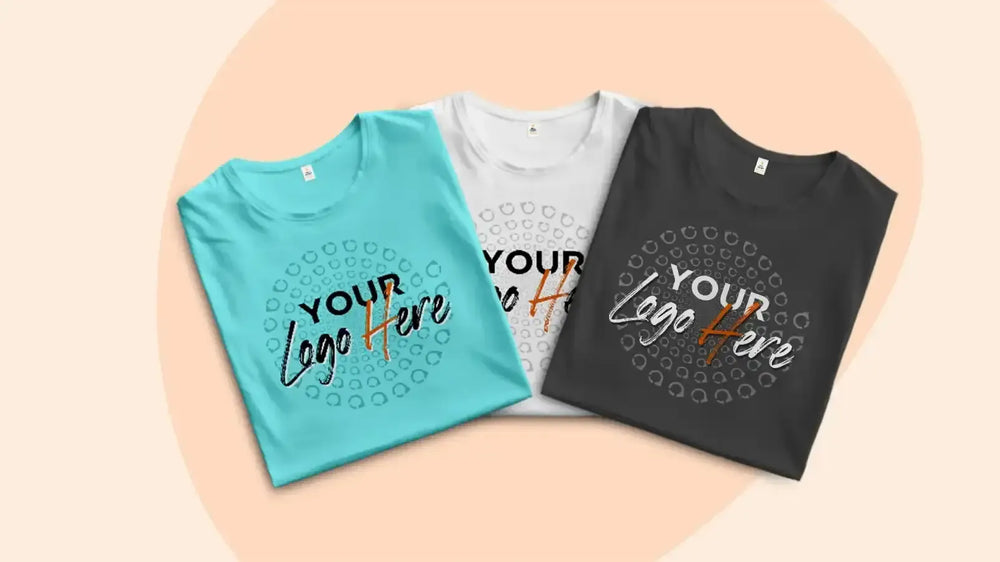
Custom apparel can move through several hands before it reaches the person who will wear it. A business may order shirts that need to be separated by employee or department. A team can have one shared identity with different player information. Family apparel may be divided among several households, while event clothing can be organized for staff, volunteers, and participants. Custom One Online provides custom T-shirt printing for Revere, Massachusetts customers planning apparel for individual wearers, groups, businesses, organizations, events, and merchandise inventories.
Instead of treating an order as one large stack of clothing, it can be useful to think of it as a series of smaller bundles. Each bundle has a destination, garment selection, size assortment, and possibly its own personalized information. Revere customers can explore custom T-shirt printing while organizing apparel around those practical bundles from the beginning.
Build the Order as a Collection of Apparel Bundles
A bundle does not have to mean several identical shirts. It simply represents a group of garments that will travel to the same destination or serve the same purpose. This provides an easy way to break a complicated order into understandable parts.
The Employee Bundle
Business apparel assigned to employees can be organized person by person. Each record can contain the employee's garment, size, and any individual information. Additional company stock can remain outside this bundle because it has not yet been assigned.
The Team Bundle
Team garments can share one central identity while names, numbers, sizes, and apparel styles change from player to player. Keeping those records together makes the eventual distribution easier.
The Household Bundle
Family apparel for reunions, trips, graduations, birthdays, or celebrations can be divided according to households when that matches the way the garments will eventually be handed out.
The Inventory Bundle
Merchandise and general business stock can be organized by design, garment type, and size rather than by wearer. The recipient is unknown, but the purpose of every piece remains defined.
Calculate Quantity by Adding the Bundles Together
Once the order is separated into useful groups, quantity becomes easier to explain. Instead of beginning with an arbitrary total and dividing it later, count what each part of the project actually requires.
A personal gift, custom illustration, announcement, birthday shirt, graduation design, or hobby project may only need one garment. Customers working at that scale can explore custom T-shirts with no minimum.
A team can calculate its quantity from the roster. A business can combine assigned employee apparel with a separately planned amount of general stock. A family can add together the garments requested by participating relatives. Event apparel can be counted according to organizers, staff, volunteers, and other participant groups.
When the combined quantity becomes larger, customers can consider custom bulk T-shirts. Higher-volume repeated designs can also lead customers to explore wholesale screen printing.
Allow Each Bundle to Contain the Garments Its Wearers Need
Coordinated apparel does not require every person to receive the same garment style. The visual connection can come from the artwork while the clothing itself changes according to the wearer or use.
A business might combine standard shirts with custom long-sleeve T-shirts. A team, organization, family, or creator can add custom hoodies with no minimum while maintaining the same central identity.
Trips, fitness groups, casual events, and merchandise collections can include custom tank tops. Another silhouette can be introduced with custom V-neck T-shirts.
When younger participants are part of a family, team, or organization project, custom kids' shirts can extend the shared artwork to youth apparel.
Keep the garment attached to its size when recording the order. A medium hoodie and a medium T-shirt represent different pieces and should remain separate throughout planning.
Give Every Personalized Garment Its Own Recipient Card
Personalization becomes easier to control when each assigned garment has a complete record. Imagine a card for every wearer containing all information needed to identify that person's finished piece.
A team card could include the player's garment style, size, name, and number. A business card might contain the employee's garment, size, name, department, or role. Event apparel can connect a person's size with role-specific wording.
Customers planning individualized garments can explore custom names and numbers. Teams can also review team T-shirts with numbers.
This recipient-card approach helps prevent information from becoming disconnected. A name may be spelled correctly and a size may be recorded correctly, but the garment is still wrong if those two correct details belong to different people.
Use the Same Organizational Logic for Different Revere Apparel Projects
Business Apparel
A Revere business can maintain a recognizable logo or company graphic across employee apparel, department clothing, promotional pieces, and general stock. The core branding remains fixed while sizes, garment styles, employee information, and quantities change according to the current need.
Family and Celebration Apparel
Birthdays, graduations, reunions, anniversaries, and trips can share one visual theme while individual relatives choose appropriate sizes or garment styles. A surname, year, destination, milestone, illustration, or celebration phrase can provide the connection.
Organization and Event Apparel
Organizations and events can use clothing to establish a common identity while distinguishing roles. Organizers, volunteers, staff members, and participants can share central artwork even when certain versions contain different wording.
Match the Shared Artwork With an Appropriate Printing Route
After the garment bundles and personalized information are understood, the common artwork can be considered in relation to production. Different visual styles and order requirements can point toward different printing approaches.
A repeated company logo, team identity, family graphic, organization design, fundraiser concept, or event artwork can make custom screen-printed T-shirts relevant when the same central graphic appears across multiple pieces.
Suitable detailed digital artwork can be considered for custom direct-to-garment T-shirt printing. Often called DTG, the process prints digital artwork directly onto apparel.
Illustrations, logos, event graphics, merchandise designs, and other artwork can also be considered for custom DTF T-shirt printing. Names, numbers, lettering, and certain graphic elements can make custom vinyl T-shirts another option to explore.
The useful production route is the one that supports the design, garment, quantity, and personalization requirements already established for the order.
Create a Separate Photo Bundle When the Image Carries the Meaning
Some apparel projects depend on a specific photograph rather than a logo or illustration. Graduation portraits, family photographs, friendship pictures, pet images, vacation memories, and memorial photos can become the center of personalized clothing.
A custom photo T-shirt can pair the chosen photograph with a name, date, year, caption, or short message. One garment may become a personal keepsake, while several related pieces can connect friends or relatives through the same image.
If several similar photographs exist, identify the exact file intended for the project. Then verify accompanying text independently. Personal names, dates, years, and captions should correspond to the correct photograph rather than being assumed from another version.
Give Merchandise Inventory a Home Before It Has a Customer
Artists, illustrators, designers, independent brands, entrepreneurs, clubs, and organizations often create apparel without knowing who will eventually receive each garment. That means merchandise should be organized around inventory categories instead of recipient cards.
A creator can begin with one illustration, logo, character, phrase, or original graphic. The first release might use a limited assortment of T-shirts and sizes. Another garment can be introduced later without changing the identity of the original design.
Each combination of design, garment, and size should occupy a deliberate place in the inventory. This makes it possible to understand what is available without treating the entire merchandise release as one undifferentiated quantity.
As the audience develops, the assortment and quantity can grow. Larger releases can move toward bulk apparel when demand and distribution plans support that scale.
Keep the Shared Master Separate From the Bundle-Specific Versions
A central design can produce many working files once personalization and garment variations begin. Player numbers create team versions. Departments can create business versions. Event roles may require different wording, and merchandise artwork can be adjusted for another garment.
Keep one clearly identified master containing the approved shared artwork. Create the individual versions from that master instead of repeatedly altering the source file. This provides a dependable foundation for the current order and any future project that reuses the design.
Customers whose artwork needs preparation can explore design review and repair. Older or problematic source files may also benefit from art repair and file recovery.
Before identifying the master as approved, verify company names, personal names, slogans, dates, years, captions, numbers, departments, roles, and event wording that should remain part of the design.
Set the Schedule Around When the Bundles Need to Leave Your Hands
The date apparel will be worn is not always the most useful deadline. A team may need time to distribute shirts before a competition. Family clothing may need to be divided among households. A business might need employee apparel before a company activity, while event clothing may require sorting by role.
Customers with time-sensitive projects can explore same-day printing T-shirts and review same-day shipping information.
As the handoff approaches, settle the artwork, garments, sizes, quantities, and personalization that determine the finished pieces. Including sorting and distribution in the timeline provides a more practical target than considering only the event or wear date.
Finish by Rebuilding the Order Into Its Final Bundles
For the final review, ignore the grand total for a moment and reconstruct the smaller groups that created it.
Begin with known wearers. Confirm each person's garment style, size, shared artwork, and personalized information. A team member's name and number should remain connected to the correct size and garment. An employee's department or role should belong to that employee's piece.
Next, review household or family bundles. Confirm that adult and youth garments are assigned correctly and that any personalized details correspond to the intended relatives. Then move to event groups and make sure role-specific versions have the quantities and sizes they require.
Finally, examine unassigned inventory. Business stock should be understandable by garment and size. Merchandise should be organized by design, garment type, and size so every piece has a defined inventory category.
Once those bundles are correct, add them together and compare the result with the overall order quantity. Then inspect the shared artwork one final time. Confirm the correct company logo, team identity, family graphic, organization design, event artwork, photograph, or creator illustration, and read all visible names, dates, years, captions, slogans, numbers, departments, and roles.
The project is ready when the large order can be broken back into understandable destinations without confusion. Every assigned garment has a recipient, every inventory piece has a purpose, and the shared design keeps the appropriate pieces connected.