








Custom T-Shirt Printing in Elgin, Illinois – Screen Printing, DTF, DTG, and Personalized Apparel
Elgin stretches along the Fox River in northeastern Illinois, primarily in Kane County with part of the city extending into Cook County. Founded in 1835, Elgin grew from a river settlement into a railroad-connected dairy center and major manufacturing city. Watchmaking became especially important to its national reputation, while later generations added new industries, neighborhoods, businesses, arts organizations, schools, recreation, and a diverse population to the city's identity.
For an Elgin custom apparel project, one productive design question is: what is the evidence behind each local detail? A river reference can come from direct observation. A historical date can come from reliable research. A family photograph can come from an authorized family archive. A business logo can come directly from the company. An illustration can be commissioned specifically for the project. Thinking about evidence this way helps distinguish a genuine project asset from an image that was simply found online because it looked relevant.
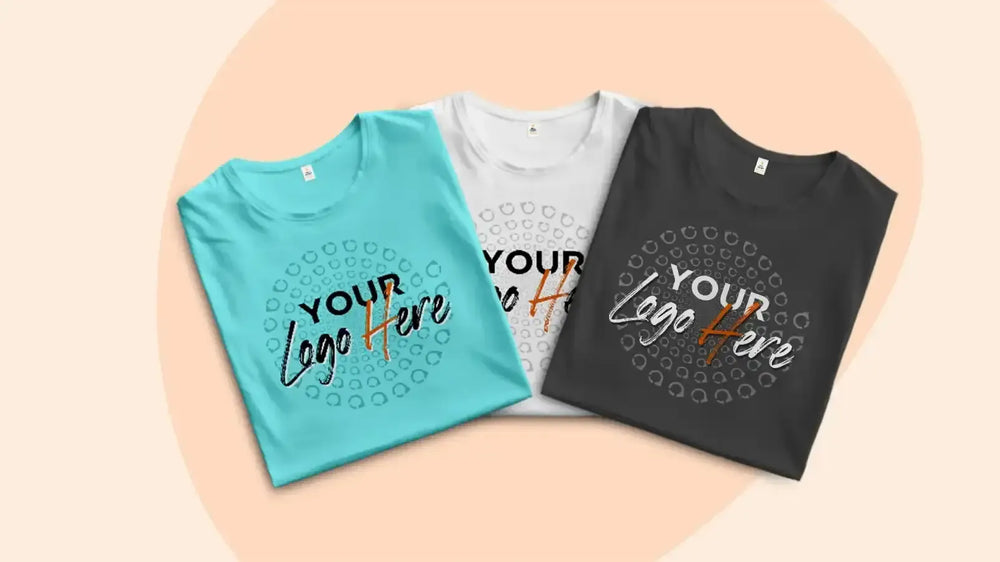
Custom One provides online custom t-shirt printing for customers and projects in Elgin, Illinois. Eligible projects can range from a single custom T-shirt with no minimum to employee apparel, family shirts, school projects, volunteer clothing, recreational garments, creator merchandise, and larger bulk custom T-shirt orders using original, licensed, or appropriately authorized artwork.
Give Every Design Detail a Traceable Reason for Being There
An Elgin history shirt might include an 1835 date, a Fox River illustration, and a watch-inspired graphic. Each element has a different basis. The founding date is historical information. The river can be interpreted through original artwork or creator-owned photography. A watch graphic could be independently illustrated rather than copied from a vintage advertisement.
A family project might have completely different evidence: a photograph from a relative, names confirmed by participants, and a reunion year supplied by the organizer. A company shirt could begin with an approved logo file and an employee roster supplied by management.
Recording where material came from can make later decisions easier. It also reduces the chance that a research reference, downloaded logo, museum image, screenshot, or professional photograph is accidentally treated as production artwork.
Elgin Began beside the Fox River in 1835
James and Hezekiah Gifford established the settlement that became Elgin in April 1835. The Fox River was central to the location, and a dam constructed by 1837 provided waterpower for early mills. The town developed along an important route between Chicago and the lead-mining region around Galena.
The river remains one of the clearest geographic subjects for independent Elgin artwork. A designer might create an original flowing-line composition, botanical riverbank illustration, or abstract treatment based on water movement. A photographer can work with creator-owned river images made from appropriate locations.
A geographic feature is not owned as an artistic subject, but particular maps, professional photographs, government graphics, published illustrations, and existing tourism designs can have their own rights or usage conditions.
Four Printing Approaches for Different Elgin Projects
- Screen printing: Suitable repeatable business graphics, family designs, organization identities, event artwork, and merchandise may be considered for screen printing, depending on quantity, artwork, garment, and production requirements.
- DTG: Suitable authorized photographs and selected image-rich designs may be candidates for direct-to-garment printing, depending on garment and image characteristics.
- DTF: Suitable detailed digital illustrations and multicolor graphics may be considered for direct-to-film printing.
- Heat transfer and vinyl: Suitable names, numbers, departments, roles, and selected lettering may use heat transfer or vinyl printing or another appropriate personalization process.
Quantity, fabric, garment construction, image characteristics, personalization, intended use, and production requirements should be considered together. A historical subject does not automatically require one printing method, and a modern business graphic does not automatically require another.
The Railroad Expanded Elgin's Connection with Chicago
Elgin's transportation advantages increased substantially when the Galena and Chicago Union Railroad reached the community around 1850. Rail service encouraged population growth, supported industry, and strengthened Elgin's commercial relationship with Chicago and other communities.
Rail transportation also helped the area's dairy industry. Milk and other agricultural products could move efficiently toward the growing Chicago market. An independent historical project might interpret this relationship through original artwork combining tracks, milk cans, fields, or transportation geometry.
Historic railroad company marks, professional locomotive photographs, schedules, advertisements, maps, and museum graphics should not automatically be copied onto apparel. Historical research can provide the basis for new artwork without requiring reproduction of an existing artifact.
Elgin Became an Important Dairy Center
During the nineteenth century, Elgin became strongly associated with dairy production. Milk from surrounding farms moved through the city toward Chicago, and Gail Borden established a condensed-milk operation in Elgin during the 1860s. Creameries and butter production contributed further to the city's reputation as a dairy center.
Agricultural history gives creators several non-branded directions for original apparel. An illustrator might develop a new milk-can graphic, farm landscape, butter-churn composition, or transportation scene. A family with agricultural roots could use appropriately authorized personal photographs or documents.
Existing dairy-company trademarks, packaging, vintage advertisements, professional farm photographs, museum reproductions, and another artist's agricultural illustration may have separate rights even when the underlying history is well known.
Watchmaking Made the Elgin Name Known Far beyond Illinois
Watch manufacturing became one of the defining chapters in Elgin's industrial history. The National Watch Company established operations in Elgin during the 1860s and produced its first watch in 1867. The company later became known as the Elgin National Watch Company and grew into an enormous manufacturing operation whose products carried the Elgin name throughout the United States and beyond.
The factory influenced employment, housing, architecture, transportation, and population growth. Neighborhoods around the plant included cottages and other homes occupied by workers, while the company maintained specialized facilities associated with watch production and timekeeping.
Modern creators can interpret this history without copying an Elgin watch advertisement or company trademark. Original gears, hands, numerals, precision-tool imagery, abstract timekeeping graphics, or newly illustrated watch mechanisms can communicate the industrial theme.
Historic advertisements, watch-face designs, company marks, catalog pages, photographs, museum graphics, and collector imagery should be evaluated separately before merchandise reproduction.
Historic Architecture Provides Another Visual Record of Elgin's Growth
Elgin's industrial prosperity contributed to a varied architectural landscape. The city contains worker cottages, Victorian-era houses, Queen Anne residences, bungalows, commercial structures, and other buildings reflecting different periods of growth. Limestone and locally available clay also influenced historic construction.
An independent neighborhood project might commission an original line drawing of a legitimately chosen architectural subject. A photographer could create new streetscape imagery. A historical group could build an educational composition around architectural forms rather than reproducing an existing preservation graphic.
Professional architectural photographs, architectural drawings, murals, museum imagery, business signs, and another artist's building illustration may have identifiable rights holders. Government historic-district maps and official preservation graphics should also be treated according to their applicable usage terms.
The Fox River Landscape Has Indigenous History Older Than Elgin
The Fox River and surrounding northeastern Illinois landscape supported Indigenous communities long before Elgin's founding in 1835. Potawatomi people had important connections with the Elgin and Fox River area, including travel, fishing, settlement, and relationships with the surrounding land and waterways. The broader region also reflects histories involving multiple Indigenous peoples before treaties, expanding Euro-American settlement, federal policy, and forced removals transformed those relationships.
Modern projects should not convert Potawatomi or other Tribal identities into generic “Illinois heritage” decoration. Indigenous peoples are living communities rather than historical motifs available for unrestricted commercial use.
Tribal seals, community-specific cultural symbols, traditional designs, language, ceremonial imagery, archaeological resources, historical cultural objects, and works by identifiable Indigenous artists may require authorization and appropriate context. Museum display, historical publication, academic research, public visibility, or online availability does not establish cultural authorization or merchandise reproduction rights.
Projects without appropriate authority can use original non-cultural river, prairie, architectural, dairy, industrial, botanical, family, neighborhood, or transportation subjects instead.
Business Apparel Should Begin with Assets the Business Can Verify
Modern Elgin supports manufacturing, healthcare, education, retail, restaurants, construction, professional services, logistics, technology, home services, automotive businesses, arts organizations, and other employers. Business apparel can be used for staff identification, promotions, customer merchandise, recruiting, conferences, service calls, and company events.
The strongest starting point is often an approved company asset supplied directly by the organization. This avoids building a shirt from a low-resolution logo copied from a website, social-media page, directory listing, or search result.
Suitable repeatable company graphics may be considered for custom screen printing. Organizations preparing larger quantities can explore wholesale screen printing.
Standard decorated apparel should not automatically be considered high-visibility clothing, flame-resistant workwear, chemical-resistant garments, medical protective equipment, food-safety clothing, or another specialized occupational product. Employers requiring technical properties should verify the specifications of the underlying garment.
School Projects Need a Clear Difference between Reference and Authorization
Elgin-area students participate in academics, music, theatre, visual arts, science, technology, clubs, service activities, publications, graduation programs, competitions, and athletics. Independent student projects can build apparel around original student work instead of depending on institutional marks.
A science group might create its own diagram. Theatre participants could use artwork developed specifically for a production when they have the appropriate rights. A student publication can use creator-owned illustrations, while a service group might emphasize the actual activity being performed.
School names, logos, seals, mascots, athletic identities, departmental marks, and official event graphics may be protected and can require authorization. Finding an official logo online establishes what the logo looks like; it does not by itself establish permission to reproduce it on merchandise.
Family Archives Can Be Valuable Sources for Personal Apparel
Elgin families may create shirts for reunions, weddings, birthdays, anniversaries, graduations, retirement celebrations, memorial gatherings, vacations, and other occasions. Family collections can contain photographs, handwritten material, occupational records, recipes, drawings, and other items that provide a much more specific design direction than generic local imagery.
Suitable photographic projects can explore a custom photo T-shirt. Families ordering across age groups can also browse custom kids' shirts and custom hoodies with no minimum.
The source of an old photograph still matters. A snapshot made by a relative presents different questions from a professional studio portrait, school photograph, newspaper image, or commercial event photograph. Owning a physical print or appearing in the picture does not necessarily establish merchandise reproduction rights.
Community Organizations Can Document Which Partner Assets Are Approved
Churches, charities, food programs, neighborhood organizations, environmental groups, cultural initiatives, youth programs, health projects, arts organizations, and volunteer teams may need apparel for outreach, fundraising, cleanup activities, education, distribution, gatherings, and recurring services.
A project involving multiple organizations can collect logos directly from participating partners along with confirmation that they are intended for the specific use. This is preferable to searching the web for whatever version of a partner's logo appears first.
Organizations planning specialized quantities, garment combinations, or production requirements can request a custom apparel quote.
Working with the City of Elgin, Kane County, Cook County, State of Illinois, a Tribal nation, school, healthcare provider, government agency, nonprofit, emergency service, museum, or business does not automatically authorize reproduction of that organization's seals, badges, logos, cultural material, uniforms, or protected marks.
Recreational Groups Can Build Their Own Visual Record
Elgin-area residents participate in running, cycling, baseball, softball, soccer, basketball, fitness programs, youth sports, trail activities, and other recreation. Independent groups may need apparel for participants, coaches, volunteers, tournaments, gatherings, fundraising, or recurring activities.
An independent running group can create its own route-inspired artwork. A recreational team can develop an original name and identity. A cycling group might use a creator-owned photograph or newly commissioned illustration rather than an established race or equipment-company graphic.
Suitable projects requiring individualized participant information can explore team T-shirts with numbers.
Professional, collegiate, school, league, tournament, race, facility, event, and equipment-company marks may require authorization. Participation in or enthusiasm for a sport does not automatically provide merchandise rights to another organization's branding.
The Roster Is the Source for Personalized Information
Businesses, families, recreational groups, student organizations, volunteer programs, performers, and community projects may share central artwork while individual garments contain different names, numbers, departments, titles, or roles.
Suitable projects can explore custom names and numbers. Rather than entering personalization from memory, maintain a current approved roster containing each person's preferred spelling, capitalization, number, department, role, garment selection, and size.
Organizations should avoid titles that falsely imply professional credentials, medical authority, government authority, law-enforcement status, emergency-service status, military status, Tribal authority, cultural authority, or another position the wearer does not hold. Identifying information should also be considered carefully on children's apparel.
Creator-Owned Work Provides the Clearest Starting Point for Merchandise
Elgin photographers, illustrators, musicians, filmmakers, writers, designers, performers, makers, and independent brands can develop merchandise from creative work they control. Creator-owned source material also provides flexibility because the artist can often return to the original file rather than relying on a compressed copy.
A photographer can work from an original image file. An illustrator can export artwork from the working document. A musician can use authorized band graphics. A filmmaker might develop merchandise from artwork specifically created for the production.
Creators testing suitable designs can explore create-your-own apparel. Smaller projects can also consider customizable T-shirts with no minimum.
Murals, professional photographs, characters, album artwork, song lyrics, commercial illustrations, Indigenous cultural material, school branding, historical advertising, and other publicly visible creative works can still have identifiable rights holders. Public visibility does not provide merchandise reproduction rights.
Go Back to the Original Photo Instead of Improving a Weak Copy
A family, historical, memorial, creator, educational, or business project may use photography. When an image looks poor, the most useful question is often not “How can this screenshot be enlarged?” but “Where did this image originally come from?”
Check the original camera, phone, computer, cloud library, negative or print scan, external storage, photographer delivery, family archive, organization collection, or another legitimate source. Examine faces, buildings, river details, machinery, artwork, lettering, highlights, shadows, and image edges near the intended reproduction size.
Increasing the dimensions of a heavily compressed screenshot cannot recreate information already discarded. A stronger legitimate original generally provides a better starting point.
Technical image quality and reproduction permission remain separate considerations. A high-resolution professional photograph can still require authorization, while an appropriately authorized image may still need technical preparation for the intended print size.
Build a Production Library, Not Just a Download Folder
An Elgin project folder may contain approved business logos, family photographs, participant spreadsheets, watchmaking references, dairy history, Indigenous cultural research, government graphics, school materials, historical images, drafts, and final artwork.
Label files by their purpose. A watch advertisement might be marked RESEARCH ONLY. An approved company logo can be placed in a production-assets folder. A family photograph can include a note identifying its source. A final roster should be distinguishable from an older draft.
Eligible projects can explore design review and repair. Selected graphics may also benefit from an art repair and file recovery service.
Technical cleanup, tracing, rebuilding, redrawing, cropping, vectorization, or format conversion does not create copyright, trademark, publicity, cultural, Tribal, school, government, corporate, licensing, or other reproduction rights. Authorization remains a separate requirement.
Keep Source Artwork Flexible Enough for Different Garments
A standard adult T-shirt, youth shirt, V-neck, tank top, long-sleeve garment, and hoodie each provide different construction and decoration conditions. Necklines, seams, pockets, hoods, printable dimensions, fabric composition, and available decoration areas can vary.
Customers can browse standard shirts alongside custom V-neck T-shirts, custom tank tops, custom long-sleeve shirts, custom kids' shirts, and custom hoodies with no minimum.
Maintaining strong original artwork rather than only a flattened low-resolution copy can make it easier to adapt an authorized design appropriately when product dimensions or placements change.
Shipping Information Should Come from the Actual Order Requirements
Business promotions, family gatherings, graduations, volunteer activities, recreational events, educational programs, performances, fundraisers, reunions, and merchandise releases can have fixed dates. Record the actual date the garments are needed instead of relying on a vague description such as “ASAP.”
Qualifying projects can explore same-day shipping custom apparel. Same-day shipping means an eligible order is dispatched within the applicable timeframe. It does not mean guaranteed same-day delivery to Elgin, Illinois.
Artwork readiness, personalization, cutoff times, garment availability, production eligibility, destination, carrier schedules, weather, and transit conditions can affect arrival. Customers preparing apparel for a fixed date should review same-day shipping information and allow appropriate carrier transit time after dispatch.
Build Elgin Custom Apparel from Sources You Can Identify
Elgin provides many possible subjects for custom apparel: the Fox River, dairy history, rail transportation, watchmaking, historic architecture, businesses, families, schools, recreation, community organizations, and the city's continuing connection with the Chicago metropolitan region. These modern stories occupy a Fox River landscape with Indigenous histories extending far earlier than Elgin's establishment, including important Potawatomi connections that should be treated with specificity and respect rather than used as generic Illinois decoration.
A business can begin with its approved logo instead of a web screenshot. A family can identify the source of a meaningful photograph. A recreational organization can maintain an approved participant roster. A historical project can use reliable research to commission new artwork rather than copying a museum graphic. Photographers, illustrators, musicians, filmmakers, writers, performers, and makers can work directly from creator-owned source material whenever possible.
Custom t-shirt printing in Elgin, Illinois can support manufacturers, businesses, families, students, schools, churches, nonprofits, volunteers, recreational organizations, historical groups, performers, photographers, artists, musicians, makers, and independent brands. Eligible projects can range from one personalized garment to bulk custom apparel involving multiple products, sizes, names, numbers, departments, and roles.
Custom One provides online options for screen printing, DTG, DTF, heat transfer vinyl, photo shirts, custom names and numbers, no-minimum apparel, and bulk printing. Original or appropriately authorized artwork, traceable source material, accurate personalization, respectful treatment of Indigenous cultural material, careful handling of historical, school, government, business, sports, and third-party marks, organized production files, garment-aware layouts, and realistic shipping expectations can help create Elgin apparel whose local details have a clear and legitimate basis.