A custom apparel order can move in several directions after production. Some garments are handed directly to employees or teammates, some are divided among relatives, some are prepared for event participants, and others become merchandise waiting for future customers. Custom One Online provides custom T-shirt printing for Dodge City, Kansas customers planning apparel for businesses, teams, organizations, families, events, individual ideas, and creative merchandise. Projects can range from one personalized shirt to coordinated orders containing multiple garments, sizes, quantities, and wearer-specific details.
One practical way to organize the project is to plan from the handoff backward. Determine who will receive the clothing, how the garments will be separated, and which pieces need individual information before concentrating on decorative details. Dodge City customers can explore create-your-own apparel options while building an order around the people, inventory, and distribution needs behind it.
Divide the Future Handoff Into Recipient Groups
Imagine the finished apparel ready to leave the box. Where does it go? The answer can provide the basic structure for the entire order.
Garments With Known Wearers
Team members, employees, relatives, volunteers, and other identified participants can each have a complete garment assignment. The record can include the person's apparel style, size, and any personalized information. This creates a direct connection between the order and the person receiving it.
Garments Assigned by Role
Some clothing may belong to a category instead of a named individual. Event staff, organizers, volunteers, departments, or other groups can share role-specific apparel. In these cases, the order needs enough pieces in the correct sizes for each category.
Garments Held as Inventory
Business stock and creator merchandise may not have known wearers when ordered. These pieces can be organized according to design, garment style, and size. The purpose remains clear even though the final recipient will be determined later.
Separating these three distribution types prevents assigned apparel and general inventory from becoming mixed into one unexplained total.
Build the Quantity From Actual Apparel Assignments
A project requiring one shirt and a project requiring dozens of pieces should not be planned as though they have identical quantity needs. Start with the recipients or inventory categories and allow the total to emerge from those decisions.
A personal gift, birthday design, hobby shirt, graduation piece, custom illustration, or creative test can remain a one-piece project. Customers can explore custom T-shirts with no minimum when a single garment or small quantity matches the intended use.
For a team or known group, count the completed wearer assignments. For an event, combine the quantities required for each participant or role category. Businesses can add employee apparel and general company stock separately. Merchandise quantities can be divided according to design, garment, and size.
When the project requires broader distribution, customers can consider custom bulk T-shirts. Keeping the quantity connected to real recipients or inventory needs makes the final total easier to understand and verify.
Create Garment Stations Before Sorting by Size
When several apparel types appear in one order, separate them conceptually before calculating the size totals. A large hoodie and a large T-shirt cannot be treated as interchangeable pieces simply because they carry the same size label.
Layers and Long Sleeves
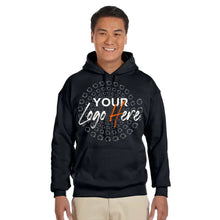
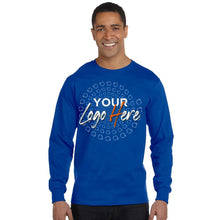
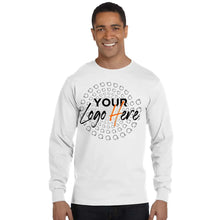
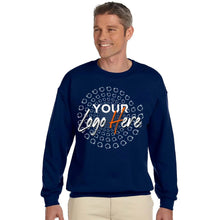
A shared graphic can extend beyond short-sleeve apparel through custom hoodies with no minimum and custom long-sleeve T-shirts. Businesses, teams, families, organizations, and merchandise collections can use these garments while retaining the same central visual identity.
Alternative Shirt Styles
Trips, fitness groups, casual events, and creator collections can incorporate custom tank tops. Customers wanting another silhouette can consider custom V-neck T-shirts.
Youth Apparel
Family projects, teams, and organizations involving younger participants can include custom kids' shirts. Keeping youth apparel distinct from adult garments makes size planning clearer.
After the garment categories are established, calculate sizes within each category. This produces an assortment that can be sorted and distributed without relying on guesswork.
Use One Order Structure Across Very Different Distribution Scenarios
The same organizational principle can support business, team, family, and event apparel even though those projects serve different purposes.
Business Distribution
A Dodge City business can separate apparel assigned to current employees from pieces intended as general company stock. Both categories can share an approved logo or business graphic, while employee names, departments, garment choices, and sizes remain attached to individual records.
Team Distribution
Team apparel can maintain a common identity while player information changes. A complete player record might contain the selected garment, size, name, and number. The shared design connects the team while the record determines exactly which finished piece belongs to each player.
Family Distribution
Reunions, birthdays, graduations, anniversaries, and trips can connect relatives through one graphic while allowing different garments and sizes. When useful, the order can even be divided by household so the eventual handoff follows the same organization used during planning.
Event Distribution
Events can require apparel for organizers, volunteers, staff, participants, or other groups. A shared event identity provides continuity while role wording helps distinguish the people performing different functions.
Treat Personalization Like a Label That Must Stay With the Correct Garment
Personalized information adds value to team, business, organization, family, and event apparel, but it also creates another point where information must be matched accurately.
Customers can explore custom names and numbers for projects requiring individual details. Teams planning numbered apparel can also review team T-shirts with numbers.
Instead of maintaining one list of names, another list of numbers, and another list of sizes, keep all details for one person together. For example, a single record can state that a particular wearer needs a specific garment, size, name, and number. An employee record can connect the person's apparel with a department or role.
This method recognizes that personalization is not merely text added to a design. It is information assigned to a particular physical garment that will eventually reach a particular person.
Build One Shared Artwork Core for the Pieces That Belong Together
After the distribution structure and personalized information are established, identify the artwork that should connect the order. This could be a business logo, team identity, family graphic, organization design, event illustration, fundraiser concept, or creator artwork.
The shared graphic does not prevent variation. It provides the stable visual core around which different garments and individual details can be organized. A hoodie and T-shirt can still look related. Two team members with different numbers can remain part of the same visual system. Event organizers and volunteers can share the same identity while their role wording changes.
The nature of that artwork can help guide production. Repeated group graphics can make screen printing worth considering. Suitable detailed digital artwork can be evaluated for direct-to-garment printing, commonly called DTG.
Illustrations, logos, merchandise designs, and other custom graphics can also be considered for direct-to-film printing. Projects involving names, numbers, lettering, or certain graphics can make heat transfer and vinyl printing another option.
Rather than selecting production in isolation, connect the printing decision to the artwork, garment assortment, quantity, and personalization needs already defined by the project.
Set Aside Special Pieces That Need Extra Attention
Photo Shirts
A photograph can carry more personal meaning than a standard graphic, making exact image selection especially important. Graduation portraits, family pictures, friendship photos, pet images, vacation memories, and memorial photographs can become personalized apparel.
A custom photo T-shirt can combine the selected image with a name, date, year, caption, or short message. One piece may be intended for a single recipient, while several shirts can connect relatives or friends around the same photograph.
Confirm the exact image file when several similar photos exist. Then review any accompanying names, dates, years, and captions separately so the supporting text corresponds to the intended photograph.
One-Off Gifts and Personal Designs
Some garments do not need to connect to a larger group. A personal illustration, inside joke, announcement, milestone, hobby design, or customized gift can exist as one independent piece. Keeping that project separate from larger-order logic allows the garment to remain focused on its individual recipient.
Allocate Creator Merchandise by Design, Garment, and Size
Artists, designers, illustrators, independent brands, entrepreneurs, clubs, and organizations may produce apparel before knowing exactly who will wear each piece. That changes the distribution model from assignment to inventory.
One illustration, logo, character, phrase, or graphic can begin the collection. Rather than creating a large catalog immediately, the first release can use a focused selection of garments and sizes. Each combination becomes a deliberate inventory category.
For example, the same design on a T-shirt and hoodie represents two separate inventory groups. Each group can then be divided by size. If another design is introduced later, it becomes another branch of the merchandise structure.
This SKU-style thinking helps creators understand what they actually have available instead of viewing the entire release as one undifferentiated quantity. As the audience develops, additional pieces or larger quantities can be introduced according to demand.
Store the Master Artwork Separately From the Distribution Versions
A project containing personalized apparel can quickly create many design files. Team members may each have different numbers. Business apparel can contain department variations. Event roles can create separate versions, and merchandise artwork may require adjustments for different garments.
Keep one clearly identified master containing the approved shared artwork. Personalized files should branch from that master rather than replace it. This provides a reliable source if another garment, wearer, or future order needs to be created.
Customers whose existing artwork needs preparation can explore design review and repair. Older or problematic artwork may also be considered for art repair and file recovery.
Before identifying artwork as the approved source, verify logos, business names, personal names, slogans, dates, years, captions, numbers, departments, roles, and event wording that belong to the shared design.
Make Handoff Readiness Part of the Timeline
The date when apparel will be worn is not always the date by which the project needs to be ready. Garments may require time for sorting, packing, distribution, or mailing before a birthday, graduation, reunion, competition, fundraiser, trip, company activity, promotional program, or organization event.
Customers working with shorter timelines can explore same-day printing T-shirts and review same-day shipping information.
As the handoff date approaches, settle the decisions that control the finished pieces: artwork, garment styles, sizes, quantities, personalized details, and recipient groups. A project is not fully ready simply because the design is complete; it needs enough structure for the garments to move smoothly to their destinations.
Finish With the Moment Each Shirt Changes Hands
Imagine the completed apparel separated into its final groups. Employee garments are ready for their owners. Team shirts correspond to the roster. Family apparel has been divided among relatives. Event clothing is separated by role. Merchandise is arranged by design, garment, and size.
Now follow one assigned piece through the handoff. Confirm that the garment style and size match the intended wearer. Check the shared artwork. If the shirt contains a name, number, department, role, date, or other personal information, make sure those details belong to that person.
Repeat the process for the remaining assigned garments. For general inventory, confirm that the available styles and sizes match the planned stock. For merchandise, verify that every inventory category has a deliberate place in the release.
The shared artwork should also remain consistent across the pieces intended to belong together. A company logo, team identity, family graphic, organization design, event concept, photograph, or creator illustration should be the correct approved version.
When every shirt can move from the finished order to a known wearer or defined inventory category without confusion, the project has reached its real endpoint. The quantity has a reason, the personalized information has an owner, and the apparel is ready to serve the business, team, family, event, organization, individual, or creative idea for which it was made.