








Custom T-Shirt Printing in Eagle, Idaho – Screen Printing, DTF, DTG, and Personalized Apparel
Eagle sits in the Boise River valley northwest of Boise, where an agricultural past, the river corridor, established neighborhoods, expanding commercial areas, parks, pathways, and nearby foothills all contribute to the city's character. Settlers arrived in the area during the 1860s, farming became important to local development, and Eagle incorporated in 1971. Today, businesses, families, schools, recreation groups, community organizations, and independent creators generate many different reasons to order custom apparel.
For an Eagle apparel project, one useful approach is to decide what the garment should establish without requiring an explanation from the organizer. A company shirt might establish who represents the business. A family reunion shirt can establish which gathering brought relatives together. Volunteer apparel may establish who is helping with an activity. Creator merchandise can establish a relationship with an artist's original work. Once that purpose is clear, local references can support the design rather than carrying the entire project.
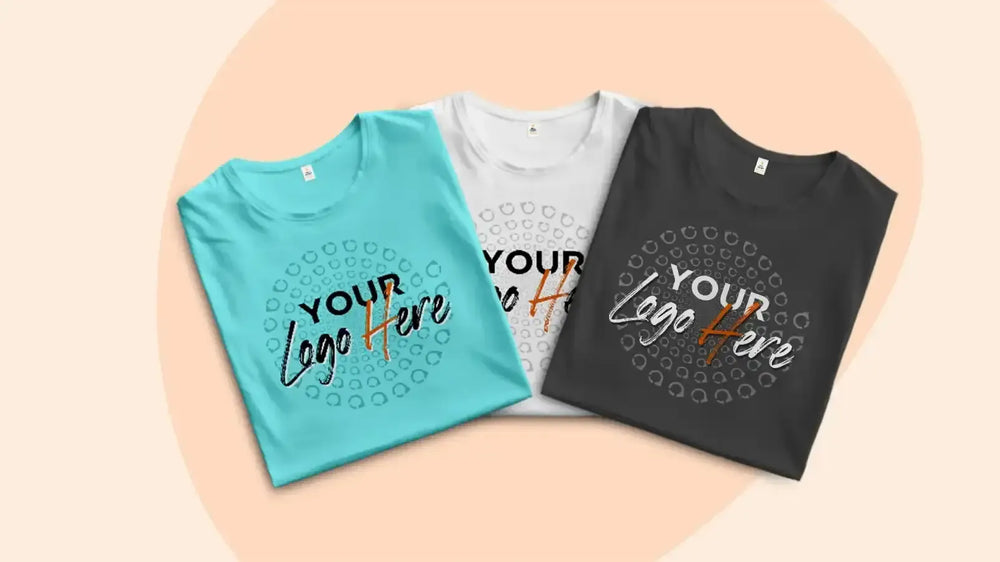
Custom One provides online custom t-shirt printing for customers and projects in Eagle, Idaho. Eligible orders can range from one custom T-shirt with no minimum to employee apparel, family shirts, student projects, community clothing, recreational apparel, creator merchandise, and larger bulk orders using original, licensed, or appropriately authorized artwork.
Build a Shirt That Still Makes Sense Away from Eagle
Custom apparel frequently travels farther than expected. Employees wear company shirts while making deliveries or attending conferences. Families take reunion apparel home to different states. Students travel for competitions. Recreational groups participate in activities outside their usual parks, and customers may purchase creator merchandise online.
That means a design should not depend entirely on the wearer standing next to a recognizable Eagle landmark. The organization's name, event identity, original artwork, family connection, or creator attribution can provide enough information for the shirt to remain meaningful elsewhere.
Local references can then add character. A river-related illustration, agricultural subject, creator-owned landscape photograph, or independently drawn regional detail can reinforce the Eagle connection without being the only thing explaining the project.
Eagle Business Apparel Can Identify the Business before the Location
Eagle's commercial environment includes professional services, restaurants, retail, construction, healthcare, technology, financial services, real estate, hospitality, creative businesses, contractors, and independent makers. These organizations can use apparel for employees, promotions, events, customer merchandise, and community activities.
An employee shirt may prioritize an approved company identity and useful department information. Customer merchandise can take a more expressive direction. A restaurant might commission an original illustration related to its specialty, a contractor could develop artwork around its trade, and a maker may create merchandise based on products or processes it legitimately controls.
Suitable repeatable business graphics may be considered for screen printing. Organizations preparing larger quantities can explore bulk custom T-shirt printing.
Standard decorated apparel should not automatically be considered high-visibility clothing, flame-resistant workwear, medical protective equipment, chemical-resistant apparel, food-safety garments, or another specialized occupational product. Employers requiring technical properties should verify the specifications of the underlying garment.
Eagle's Agricultural Past Offers Subjects beyond a Generic Idaho Graphic
Eagle's early non-Indigenous settlement developed during the nineteenth century, with farming becoming an important part of the local economy. The city's own historical materials describe settlers arriving in 1863 and note that Eagle was named for the eagles found along the Boise River. The community incorporated in 1971.
Historical projects can explore subjects such as agriculture, orchards, irrigation, early residences, changing transportation, or community development through newly created artwork. A family with a documented agricultural connection might have its own photographs, while students could develop an original historical illustration from legitimate research.
Historic photographs, museum images, maps, published illustrations, advertisements, business marks, and preservation materials should not automatically be considered unrestricted simply because they depict an earlier period.
A historical subject can be researched and then interpreted through original artwork rather than directly copying the research source.
The Boise River Can Provide Context without Becoming a Generic Logo
The Boise River corridor is one of the major geographic features associated with Eagle and the wider Treasure Valley. Riverfront pathways and greenbelt connections support walking, running, cycling, wildlife observation, and other recreation.
Independent groups can develop original artwork related to their own activities. A running group might commission an emblem built around its organization. A photographer can use creator-owned river imagery. An environmental project may develop an original illustration related to an appropriate species, habitat, or restoration subject.
Official Greenbelt maps, government graphics, trail signs, professional wildlife photography, organization logos, and published environmental illustrations may have identifiable rights holders or usage conditions.
Standard custom shirts should not be described as flotation devices, technical cycling apparel, high-visibility safety clothing, or specialized outdoor protective equipment unless the underlying garment specifically provides those properties.
Eagle Island State Park Has Its Own History beyond Recreation
Eagle Island State Park occupies more than 500 acres bordered by channels of the Boise River. Today the park supports activities such as hiking, fishing, horseback riding, picnicking, swimming, and other recreation. Its history also includes a very different use: the property became the Eagle Island Prison Farm in 1930, where trustees worked in agricultural operations. The prison farm closed in 1977, and the state park was dedicated in 1983.
That combination of agriculture, institutional history, river geography, preserved structures, and modern recreation can support legitimate research projects without requiring direct reproduction of park branding.
A recreational group using the park may create its own independent identity. Students can develop original educational artwork based on researched history, while families gathering there can use personal designs unrelated to the park's official graphics.
Idaho State Parks identities, agency graphics, official maps, professional photographs, interpretive materials, and other state resources may have applicable usage conditions. Independent apparel should not falsely imply endorsement or official status.
Family Apparel Can Carry Its Meaning Far beyond the Reunion
Eagle families may create shirts for reunions, weddings, birthdays, anniversaries, graduations, retirement celebrations, memorial gatherings, vacations, and other occasions. Because relatives may return home to many different places afterward, personal material can help the shirt remain understandable long after the gathering ends.
An authorized photograph may provide the centerpiece. Other possibilities include a commissioned illustration of a longtime home, family business, farm, occupation, vehicle, garden, pet, recipe-related object, or shared hobby.
Suitable photographic projects can explore a custom photo T-shirt. Families ordering for multiple age groups can also browse custom kids' shirts.
Professional wedding photography, school photographs, studio portraits, newspaper images, and other third-party material should only be reproduced with appropriate permission. Appearing in a photograph or possessing a physical copy does not necessarily establish merchandise reproduction rights.
Student Projects Can Identify What Participants Actually Built, Studied, or Performed
Eagle-area students may need apparel for academic clubs, science and technology activities, performing arts, student leadership, publications, service projects, graduation groups, competitions, recreation, and independent organizations.
An engineering group could develop original artwork from something participants designed. Environmental students might create illustrations from legitimate research. Musicians and theater participants can commission independent production artwork, while photographers, filmmakers, writers, and visual artists may use material they created or are appropriately authorized to reproduce.
Project-specific artwork can remain meaningful even when students take the shirt outside the school environment because it identifies the activity that brought them together.
School and university names, logos, seals, mascots, athletic identities, departmental marks, and related branding may be protected and can require authorization. Independent student merchandise should not falsely imply official licensing, sponsorship, endorsement, or institutional approval.
Community Apparel Can Explain the Organization before Explaining the City
Churches, charities, food programs, neighborhood organizations, environmental groups, health initiatives, cultural organizations, youth programs, and volunteer teams may need apparel for outreach, fundraising, distribution, education, cleanup projects, festivals, and recurring services.
A food program can create artwork around its own work. An environmental group might commission an appropriate original graphic connected with restoration or education. A volunteer organization can make its identity clear while adding role information where it genuinely helps participants.
Organizations planning specialized quantities, garment combinations, or production requirements can request a custom apparel quote.
Working with the City of Eagle, Ada County, State of Idaho, a school, government agency, healthcare provider, nonprofit, or business does not automatically authorize reproduction of that partner's seals, logos, badges, uniforms, or protected marks. Independent apparel should not falsely imply government authority, employment, sponsorship, endorsement, or official affiliation.
Eagle's Parks Support Apparel for Many Different Activities
Eagle maintains parks and recreational facilities serving activities that include sports, walking, cycling, playground use, community gatherings, fitness, and youth programs. The Ada/Eagle Sports Complex includes bike trails, a skate park, and BMX facilities, while other city parks provide fields, courts, splash pads, picnic areas, and pathways.
A recreational organization can develop an identity that belongs to its participants rather than the facility. A cycling group might commission original artwork around its own club. A family gathering in a park can use personal material, while a community activity may create a graphic connected specifically with its program.
Suitable projects requiring individualized participant information can explore team T-shirts with numbers.
Professional, collegiate, school, league, tournament, race, facility, event, and equipment-company marks may require authorization. Using a public recreational facility does not provide merchandise rights to its official identity.
Names and Numbers Can Make a Broad Design Specific
A business, family, student organization, volunteer program, recreational group, or community project may use one central graphic while individual garments contain different names, numbers, departments, titles, or roles.
Suitable projects can explore custom names and numbers. Each person's preferred spelling, capitalization, number, department, role, garment selection, and size should remain associated with that individual during review.
Do not assume an old roster remains accurate because the central artwork is unchanged. Employee assignments, participant numbers, student roles, preferred names, and garment sizes can change between orders.
Organizations should avoid titles that falsely imply professional credentials, medical authority, government authority, emergency-service status, law-enforcement status, military status, or another position the wearer does not hold. Identifying information should also be considered carefully on children's apparel.
Eagle Creators Can Make Location Part of the Story without Making It the Entire Story
Photographers, illustrators, musicians, designers, filmmakers, writers, makers, and independent brands may want merchandise that can be recognized whether it is worn in Eagle, Boise, elsewhere in Idaho, or across the country.
A photographer might use creator-owned Boise River or foothill imagery. An illustrator can develop an original series, while musicians may commission artwork for releases or performances. Makers can create graphics around products and processes they legitimately control.
Creators testing suitable artwork can explore custom T-shirts with no minimum. Projects with established demand can consider wholesale screen printed T-shirts when appropriate.
Murals, sculptures, professional photographs, album artwork, characters, festival identities, public art, commercial illustrations, and other publicly visible creative works can still have identifiable rights holders. Public visibility does not provide merchandise reproduction rights.
A Photograph Should Remain Understandable after It Leaves Its Original Album
A family photograph may be instantly recognizable to relatives while being confusing to everyone else. A creator-owned landscape photograph might need attribution or complementary wording. A business product image may work best when paired with the business identity. Consider how the photograph and surrounding information function together before production.
Locate the strongest legitimate source from the original camera, phone, computer, cloud library, negative or print scan, external storage, photographer delivery, or authorized archive whenever possible. Examine faces, buildings, products, landscapes, lettering, highlights, shadows, and other important areas near the intended reproduction size.
Increasing the dimensions of a heavily compressed screenshot cannot recreate information already discarded. A stronger legitimate original generally provides a better starting point.
Technical image quality and reproduction permission remain separate considerations. Professional portraits, wedding photography, school images, news photography, event photographs, museum resources, and archival images should only be reproduced with appropriate authorization.
Store Enough Context with the Artwork to Explain What It Is
An old file named only “shirt-final” may become difficult to interpret months later. A project archive is more useful when organizers can distinguish approved artwork from references, identify which organization or event it belongs to, and determine whether personalized information needs to be updated.
Check designer folders, organization archives, cloud storage, external drives, email attachments, original photography, and previous authorized production packages when locating source files. Confirm the actual approved version rather than relying solely on file names.
Eligible projects can explore design review and repair. Selected graphics may also benefit from an art repair and file recovery service.
Technical cleanup, tracing, rebuilding, redrawing, or format conversion does not create copyright, trademark, publicity, cultural, government, educational, licensing, or other reproduction rights. Authorization remains a separate requirement.
Eagle's History Extends beyond Nineteenth-Century Settlement
The documented development of modern Eagle includes nineteenth-century farming and later incorporation, but the Boise River valley has much deeper Indigenous history. The broader region has longstanding connections with Indigenous peoples, including Shoshone and Bannock peoples whose histories extend across southern Idaho and neighboring areas.
Tribal identities, seals, community-specific symbols, traditional designs, culturally significant imagery, archaeological resources, historical cultural materials, and works by identifiable Indigenous artists should not be treated as generic Idaho or “Western” decoration.
Public visibility, museum display, historical publication, archival access, or online availability does not establish cultural authorization or merchandise reproduction rights.
Original non-cultural illustration, creator-owned photography, appropriately licensed resources, approved organization graphics, authorized family material, and commissioned artwork with suitable usage rights can create distinctive Eagle apparel without falsely suggesting Indigenous cultural authority, government affiliation, school approval, institutional sponsorship, licensing, endorsement, or official status.
A Strong Project Identity Can Travel across Different Garments
A business may select one product for employees and another for customer merchandise. A family can need children's and adult garments. A community organization may choose different apparel for volunteers and supporters, while a creator can offer the same original artwork across several products.
Customers can browse standard shirts alongside custom V-neck T-shirts, custom tank tops, custom long-sleeve shirts, custom kids' shirts, and custom hoodies with no minimum.
Necklines, seams, printable dimensions, fabric composition, garment construction, and available decoration areas can vary. The artwork may therefore need appropriate adjustment while the underlying identity remains recognizable.
Plan for the Distance between Dispatch and Eagle
Business activities, family gatherings, graduations, community programs, recreational events, performances, fundraisers, and creator releases can have fixed dates. Artwork approval, personalization, garment selection, production, dispatch, and carrier transit all need to fit within the available schedule.
Qualifying projects can explore same-day shipping custom apparel. Same-day shipping means an eligible order is dispatched within the applicable timeframe. It does not mean guaranteed same-day delivery to Eagle, Idaho.
Artwork readiness, personalization, cutoff times, garment availability, production eligibility, destination, carrier schedules, weather, and transit conditions can affect arrival. Customers preparing apparel for a fixed date should review same-day shipping information and allow appropriate carrier transit time after dispatch.
Create Eagle Custom Apparel That Keeps Its Meaning Wherever It Goes
Eagle's identity is connected with the Boise River, an agricultural past, expanding neighborhoods and businesses, parks, pathways, recreation, and the wider Treasure Valley. Those features provide useful context, but a custom shirt does not need to function as a miniature city guide.
A business can establish its own identity before adding a local reference. Families can create designs rooted in authorized personal material. Students can make apparel about the project they actually completed. Community organizations can identify their own services, while recreational groups can build graphics around their participants rather than a facility. Eagle photographers, illustrators, musicians, filmmakers, writers, makers, and other creators can use original work that remains recognizable far beyond Ada County.
Custom t-shirt printing in Eagle, Idaho can support businesses, families, students, churches, nonprofits, volunteers, recreational organizations, artists, photographers, musicians, makers, and independent brands. Eligible projects can range from one personalized garment to bulk custom apparel involving multiple products, sizes, names, numbers, departments, and roles.
Custom One provides online options for screen printing, DTG, DTF, heat transfer vinyl, photo shirts, custom names and numbers, no-minimum apparel, and bulk printing. Original or appropriately authorized artwork, a clear project identity, accurate personalization, respectful treatment of regional and Indigenous history, careful handling of government and park materials, organized source files, suitable garments, and realistic shipping expectations can help create Eagle apparel that remains understandable even after the wearer leaves the place where the project began.