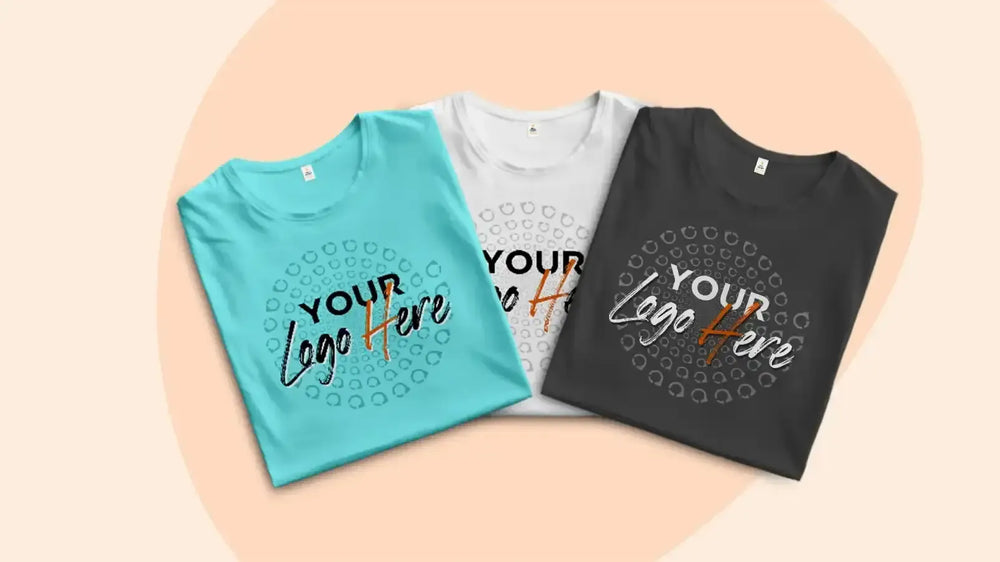









Custom T-Shirt Printing in Kokomo, Indiana – Screen Printing, DTF, DTG, and Personalized Apparel
Kokomo is the county seat of Howard County in north-central Indiana, a community shaped by Wildcat Creek, rail transportation, the Indiana Gas Boom, glassmaking, automobile development, metalworking, manufacturing, education, and generations of technical innovation. Its reputation as the “City of Firsts” reflects a long history of experimentation, from early automotive work associated with Elwood Haynes and the Apperson brothers to developments involving tires, automotive components, alloys, radios, and other manufactured products.
That history offers a useful approach to custom apparel: treat a design as a sequence of prototypes rather than expecting the first arrangement to be the final answer. A first version can answer whether the concept works. A second can test typography. Another can examine the photograph, garment, or personalized information. These are not necessarily corrections to mistakes; they can be controlled experiments that answer different questions before production.
Custom One provides online custom t-shirt printing for customers and projects in Kokomo, Indiana. Eligible orders can range from one custom T-shirt with no minimum to employee apparel, family shirts, student projects, volunteer clothing, recreational garments, creator merchandise, and larger bulk orders using original, licensed, or appropriately authorized artwork.
Use Drafts to Answer Specific Questions
Suppose a Kokomo business wants an employee shirt containing an approved logo, department, employee name, and short service phrase. Instead of producing several nearly identical drafts and asking which one “looks best,” each version can investigate something different.
One version can test whether the department is necessary. Another can test the employee name at its longest expected length. A third can place the design on the smallest garment expected in the order. If the company also wants customer merchandise, another draft can remove employee-specific information entirely.
This makes revisions more informative. Each version has a reason to exist, and decisions can be based on what was learned rather than on endless small visual changes.
Kokomo Developed beside Wildcat Creek
Howard County was organized in 1844, and Kokomo became its county seat. The early community developed near Wildcat Creek, with transportation improvements helping it expand beyond its initial settlement. Rail service reached Kokomo in the 1850s, strengthening connections with other Indiana markets and creating opportunities for commerce and later manufacturing.
Wildcat Creek can provide an appropriate non-cultural subject for original local artwork. An environmental organization might develop an independent watershed graphic. A photographer can use creator-owned imagery from places where access and photography are permitted. Students could create original educational diagrams based on legitimate environmental or historical research.
Government maps, professional nature photography, agency graphics, conservation-organization marks, published historical maps, and another artist's creek illustration may have separate rights or usage conditions.
The Indiana Gas Boom Turned Kokomo into an Industrial Center
The discovery of natural gas in Howard County during the 1880s dramatically accelerated local industrial development. Manufacturers were attracted by inexpensive energy, available land, rail transportation, and local incentives. The population expanded as factories and workers arrived.
Glass production became one of the important industries associated with this era. The period also created conditions that helped Kokomo develop its later automotive and manufacturing identity. Although the natural-gas boom eventually ended as supplies declined, many industrial capabilities established during the period remained important to the city's economy.
A historical shirt can interpret that transformation without copying an old advertisement or company trademark. Original artwork might explore furnaces, glass, industrial buildings, pipelines, rail transportation, tools, or other general subjects supported by legitimate research.
Prototype with a Printing Method Appropriate to the Artwork
Screen Printing
Suitable repeatable business identities, organization graphics, event designs, family artwork, and merchandise may be considered for screen printing, depending on quantity, garment, artwork, and production requirements.
Direct-to-Garment Printing
Suitable authorized photographs and selected image-rich graphics may be candidates for custom DTG T-shirt printing, depending on garment and image characteristics.
Direct-to-Film Printing
Suitable detailed digital illustrations and multicolor graphics may be considered for custom DTF T-shirt printing.
Heat Transfer and Vinyl
Suitable names, numbers, departments, roles, and selected lettering may use heat transfer or vinyl printing or another appropriate personalization process.
Quantity, fabric, garment construction, artwork characteristics, personalization, and intended use should be considered together. A prototype should help clarify these requirements rather than locking the project into a process simply because it was used for an earlier order.
Elwood Haynes and Kokomo's Automotive History Offer a Natural Prototype Story
Inventor Elwood Haynes came to Howard County during the natural-gas era and later worked with Elmer and Edgar Apperson on an early gasoline-powered automobile. Haynes tested his vehicle near Kokomo on July 4, 1894, an event that became an important part of the city's automotive history.
The story is useful because the vehicle was itself an experimental object. It represented an idea being translated into a machine that could be built, tested, observed, and improved. Kokomo's later automotive development continued through manufacturers, suppliers, component producers, radio technology, metalworking, and generations of industrial employees.
A local history project could commission an original early-automobile illustration, while a family with legitimate automotive connections might use authorized photographs or occupational information. Existing museum graphics, historic photographs, corporate logos, vehicle badges, advertisements, engineering drawings, and another artist's automobile illustration may require authorization.
Glassmaking Adds Color and Material History to Kokomo
Kokomo's industrial heritage includes glassmaking that expanded during the Gas Boom. Kokomo Opalescent Glass traces its history to 1888 and remains closely associated with the city's tradition of colored glass production.
Glass can inspire original apparel without copying a manufacturer's products or patterns. An independent illustrator might create abstract translucent-looking shapes, furnace-inspired forms, or an original composition based on the general process of making colored glass. Students could develop educational artwork explaining material transformation.
Company logos, proprietary product designs, professional photographs, stained-glass artwork, architectural installations, catalogs, and patterns created by identifiable artists or manufacturers may have separate reproduction rights.
Kokomo Business Apparel Can Test Employee and Customer Versions Separately
Kokomo's modern economy includes manufacturing, automotive-related industries, healthcare, education, construction, logistics, restaurants, retail, professional services, technology, home services, and other employers. One company may need apparel for several different purposes.
An employee version might include an approved logo and department. A customer merchandise version may use only the brand identity and original artwork. A trade-event shirt could introduce a campaign message, while a volunteer-day version might need a role label.
Testing these as separate applications can be more useful than forcing every requirement into one universal design. Suitable repeatable company graphics may be considered for custom screen printing, while larger projects can explore bulk custom T-shirt printing.
Standard decorated apparel should not automatically be considered high-visibility clothing, flame-resistant workwear, chemical-resistant garments, medical protective equipment, food-safety clothing, or another specialized occupational product. Employers requiring technical properties should verify the specifications of the underlying garment.
The “City of Firsts” Theme Should Be Used with Historical Precision
Kokomo is widely known as the “City of Firsts” because numerous inventions and technological developments are associated with the community. Local historical sources highlight work involving automobiles, pneumatic tires, aluminum casting, carburetors, metal alloys, automotive radios, agricultural machinery, and other technologies.
Historical claims about inventions can depend on definitions such as “first,” “commercially successful,” “American,” or “locally developed.” An educational shirt should therefore avoid turning a complicated historical claim into an absolute slogan unless the wording has been appropriately verified.
A safer creative direction may focus on Kokomo's broader culture of invention: original gears, workshop forms, technical sketches created specifically for the project, abstract mechanical imagery, or typography centered on experimentation and manufacturing.
Patent drawings, company trademarks, historical advertisements, museum graphics, engineering documents, and other existing creative or proprietary materials should not automatically be copied onto merchandise.
Kokomo's Name and Early History Are Connected with Myaamia People
The modern city's story developed within Myaamionki, the homelands of the Myaamia people. Historical research identifies a village or band leader known as Kokomo, whose family history has been studied with assistance from the Myaamia Center. Historical evidence also documents multiple Miami villages in what became Howard County during the nineteenth century.
The creation of the modern county and city occurred during a period of treaties, land division, settlement, and forced removal that dramatically changed Myaamia life in Indiana. Today, the federally recognized Miami Tribe of Oklahoma continues cultural, linguistic, educational, historical, and community work connected with Myaamia homelands.
Myaamia identity, Tribal seals, language, community-specific cultural material, traditional designs, historical cultural imagery, archaeological resources, and work by identifiable Indigenous artists should not be treated as generic Kokomo or Indiana decoration.
Public visibility, historical publication, museum display, academic research, archival availability, or appearance online does not establish cultural authorization or merchandise reproduction rights. Projects without appropriate authority can use original non-cultural industrial, river, botanical, architectural, recreational, family, or everyday-life subjects instead.
Family Apparel Can Prototype the Difficult Version First
Kokomo families may create apparel for reunions, weddings, birthdays, anniversaries, graduations, retirement celebrations, memorial gatherings, vacations, and other occasions. A project involving several generations can include adult garments, youth sizes, photographs, long surnames, individual names, and different apparel styles.
Instead of testing the easiest adult shirt first, a family might prototype the version containing the longest name or the smallest intended garment. That can reveal whether the design needs adjustment before the rest of the order is organized.
Suitable photographic projects can explore a custom photo T-shirt. Families ordering across age groups can also browse custom kids' shirts.
Professional wedding photography, school portraits, studio photographs, newspaper images, and other third-party material should only be reproduced with appropriate permission. Owning a physical photograph or appearing in it does not necessarily establish merchandise reproduction rights.
Student Projects Are Natural Places for Controlled Experimentation
Indiana University Kokomo and area schools support students working across science, technology, healthcare, business, arts, education, communications, service programs, and other fields. Apparel may be useful for research teams, robotics, academic competitions, performing arts, publications, student organizations, graduation groups, and independent creative projects.
A student engineering group could compare two original visual explanations of the same project. An art student may test how a creator-owned illustration behaves at different print sizes. A research team could determine whether a diagram remains understandable when simplified for apparel.
School and university names, logos, seals, mascots, athletic identities, departmental marks, and related branding may be protected and can require authorization. Independent student merchandise should not falsely imply official licensing, sponsorship, endorsement, or institutional approval.
Community Organizations Can Prototype before Ordering for Everyone
Churches, charities, food programs, neighborhood groups, youth initiatives, historical organizations, environmental projects, health programs, and volunteer teams may need apparel for outreach, fundraising, distribution, cleanup activities, education, gatherings, and recurring services.
A small initial project can help an organization evaluate whether volunteer roles are clear, whether sponsor marks have appropriate authorization, whether the artwork works across intended garments, and whether personalization has been organized correctly.
Organizations planning specialized quantities, garment combinations, or production requirements can request a custom apparel quote.
Working with the City of Kokomo, Howard County, State of Indiana, Miami Tribe of Oklahoma, a school, university, healthcare provider, government agency, nonprofit, emergency service, museum, or business does not automatically authorize reproduction of that partner's seals, badges, logos, cultural material, uniforms, or protected marks.
Roster-Based Projects Can Test Their Most Difficult Entry
Kokomo's parks and recreational facilities support baseball, running, walking, cycling, swimming, skating, field sports, fitness activities, youth programs, and other forms of recreation. Independent groups may need apparel for participants, coaches, volunteers, tournaments, gatherings, or fundraising.
If personalized names and numbers are planned, test an unusually long surname, a double-digit number, and a smaller garment before assuming one layout works across the roster. The result can expose spacing or sizing issues while changes remain manageable.
Suitable projects requiring individualized participant information can explore team T-shirts with numbers.
Professional, collegiate, school, league, tournament, facility, event, and equipment-company marks may require authorization. Participation in or enthusiasm for a sport does not automatically provide merchandise rights to another organization's identity.
Personalization Should Be Tested with Realistic Data
Businesses, families, recreational groups, student organizations, volunteer programs, performers, and community projects may share central artwork while individual garments contain different names, numbers, departments, titles, or roles.
Suitable projects can explore custom names and numbers. Each person's preferred spelling, capitalization, number, department, role, garment selection, and size should remain associated with that individual during review.
A prototype containing “SAM” does not reveal how a layout will behave with a much longer name. Testing realistic extremes can uncover issues that a convenient placeholder misses. An older roster should also not automatically be reused simply because the central artwork remains unchanged.
Organizations should avoid titles that falsely imply professional credentials, medical authority, government authority, law-enforcement status, emergency-service status, military status, Tribal authority, cultural authority, or another position the wearer does not hold.
Creators Can Use Small Tests to Learn How Artwork Changes on Fabric
Kokomo photographers, illustrators, musicians, filmmakers, writers, designers, performers, makers, and independent brands can develop merchandise from work they control. Artwork experienced on a screen can behave differently when printed on a wearable surface.
A photographer might compare two legitimate crops of a creator-owned image. An illustrator can test whether delicate details remain useful at the intended dimensions. A musician may compare a typography-focused version with an illustration-focused version without committing immediately to a large merchandise quantity.
Creators can explore customizable T-shirts with no minimum for eligible projects. Established projects may later consider wholesale screen printing where appropriate.
Murals, professional photographs, characters, album artwork, commercial illustrations, Myaamia cultural material, corporate identities, event graphics, and other publicly visible creative works can still have identifiable rights holders. Public visibility does not provide merchandise reproduction rights.
Photo Projects Can Compare Sources before Editing Begins
A family, historical, memorial, creator, or business project may have several versions of the same photograph: a screenshot, social-media copy, old email attachment, phone image, scan, and original camera file. Editing the first one found can waste effort if a stronger legitimate source already exists.
Compare available authorized versions before beginning extensive cleanup. Check the original camera, phone, computer, cloud library, negative or print scan, external storage, photographer delivery, family archive, or organization collection. Examine faces, machinery, glass, vehicles, buildings, products, lettering, highlights, and shadows near the intended reproduction size.
Increasing the dimensions of a heavily compressed screenshot cannot recreate information already discarded. A stronger legitimate original generally provides a better starting point.
Technical image quality and reproduction permission remain separate considerations. Professional portraits, event photography, newspaper images, museum resources, historical photographs, and archival material should only be reproduced with appropriate authorization.
Preserve What Each Prototype Taught You
A Kokomo project folder may contain approved logos, personal photographs, participant spreadsheets, Myaamia historical research, automotive references, school marks, sponsor graphics, government material, drafts, and final artwork. Multiple prototypes can create confusion if their purpose is not recorded.
Keep approved production assets distinguishable from research, inspiration, personalization data, and files awaiting permission. Label exploratory files according to what they test, and clearly identify the approved production version when decisions are complete.
Eligible projects can explore design review and repair. Selected graphics may also benefit from an art repair and file recovery service.
Technical cleanup, tracing, rebuilding, redrawing, cropping, or format conversion does not create copyright, trademark, publicity, cultural, Tribal, government, educational, corporate, licensing, or other reproduction rights. Authorization remains a separate requirement.
Prototype across the Garments That Matter
A design tested only on a standard adult T-shirt may behave differently on a youth shirt, V-neck, tank top, long-sleeve garment, or hoodie. Necklines, seams, pockets, hoods, printable dimensions, and garment construction can change the available area.
Customers can browse standard shirts alongside custom V-neck T-shirts, custom tank tops, custom long-sleeve shirts, custom kids' shirts, and custom hoodies with no minimum.
The goal is not to produce endless versions. Test the garment conditions most likely to expose a meaningful problem, then use what was learned to organize the remaining products.
Finish Testing before the Shipping Window Becomes the Experiment
Business promotions, family gatherings, graduations, student programs, volunteer activities, recreational events, performances, fundraisers, reunions, and merchandise releases can have fixed dates. Testing artwork early is more useful than discovering a problem when little scheduling flexibility remains.
Qualifying projects can explore same-day shipping custom apparel. Same-day shipping means an eligible order is dispatched within the applicable timeframe. It does not mean guaranteed same-day delivery to Kokomo, Indiana.
Artwork readiness, personalization, cutoff times, garment availability, production eligibility, destination, carrier schedules, weather, and transit conditions can affect arrival. Customers preparing apparel for a fixed date should review same-day shipping information and allow appropriate carrier transit time after dispatch.
Let Kokomo's Experimental Tradition Inform the Apparel Process
Kokomo offers a rich range of potential subjects for custom apparel: Wildcat Creek, glassmaking, the Gas Boom, automobile development, metalworking, manufacturing, education, parks, businesses, families, and the city's long association with invention. Its modern history also exists within Myaamionki and a much older Myaamia landscape that deserves accurate and respectful treatment rather than use as generic Indiana decoration.
A business can test the longest employee name before finalizing personalization. A family can compare legitimate photo sources before committing to a crop. Students can experiment with ways to represent their own research or creative work. Recreational groups can test the most demanding roster entry, while photographers, illustrators, musicians, filmmakers, writers, performers, and makers can use small apparel experiments to learn how creator-owned artwork behaves away from the screen.
Custom t-shirt printing in Kokomo, Indiana can support manufacturers, businesses, families, students, universities, churches, nonprofits, volunteers, recreational organizations, performers, artists, photographers, musicians, makers, and independent brands. Eligible projects can range from one personalized garment to bulk custom apparel involving multiple products, sizes, names, numbers, departments, and roles.
Custom One provides online options for screen printing, DTG, DTF, heat transfer vinyl, photo shirts, custom names and numbers, no-minimum apparel, and bulk printing. Original or appropriately authorized artwork, purposeful prototyping, realistic personalization tests, respectful treatment of Myaamia history and cultural material, careful handling of corporate, school, government, historical, and third-party marks, organized production files, garment-aware testing, and realistic shipping expectations can help transform a Kokomo apparel idea through useful experiments before the final version reaches production.