
Sign In
and get 10% off your first order!

✅ No Minimum
✅ No Setup Fee
✅ Free Art Review and Repair
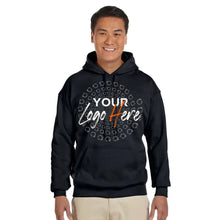
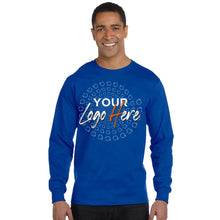
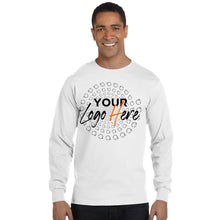
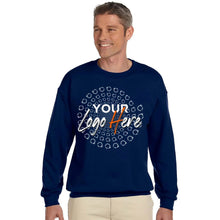
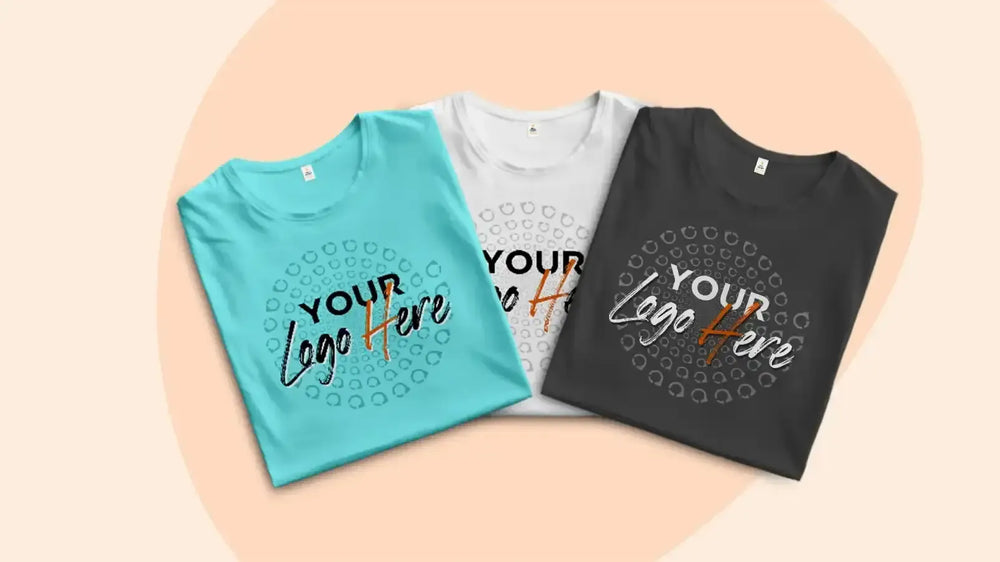
Order a single custom shirt or as many pieces as your business, team, event, or organization needs.
Save more as your quantity increases with volume pricing designed for larger custom apparel orders.
Need it fast? Eligible orders can be printed the same day when product, artwork, and production requirements qualify.
Keep your costs straightforward with no setup fees on qualifying custom printing orders.
Choose from screen printing, DTG, DTF, vinyl, and heat transfer to find the right option for your design.
Need help getting your design print-ready? Our team can review your artwork and assist before production begins.


Cost-effective, durable printing for larger quantities, bold designs, businesses, teams, and events.

Ideal for full-color artwork, fine details, gradients, and smaller custom apparel orders.

Vibrant, detailed transfers that work well across a wide variety of garments and fabric types.

A great choice for personalized apparel, team jerseys, names, numbers, and simple custom graphics.

Volume-focused printing solutions for brands, businesses, resellers, organizations, and large apparel orders.

Get your artwork reviewed, corrected, and optimized to help achieve a cleaner, higher-quality final print.

STEP 01
Browse T-shirts, hoodies, sweatshirts, long sleeves, and more to find the right garment, color, and fit for your project.
STEP 02
Upload your artwork, logo, or graphic, or use our online design tools to personalize your apparel.
STEP 03
Choose your sizes and quantities for an individual order, business, team, event, organization, or larger group event.
STEP 04
Confirm your design and order details. Once everything is ready, we'll move your apparel into production and fulfillment.

A rough sketch can sometimes be more useful than a polished collection of borrowed graphics. A business owner may draw an idea on paper, a student may create a character for a club, a volunteer organizer may circle a few words on a planning sheet, or a family member may contribute handwriting that everyone recognizes. For a Claymont custom apparel project, those imperfect human marks can become the beginning of artwork that genuinely belongs to the people ordering the shirts.
Custom One provides online custom t-shirt printing for customers and projects in Claymont, Delaware. Eligible orders can include single personalized garments, no-minimum shirts, employee apparel, family clothing, community projects, student shirts, recreational apparel, creator merchandise, and larger bulk quantities using original, licensed, or appropriately authorized artwork.
Customers can explore create-your-own custom apparel for original drawings, approved organization identities, authorized photographs, custom lettering, names, numbers, and other suitable material.
Handwriting, brush strokes, pencil lines, children's drawings, signatures, and original doodles can communicate something that perfectly constructed digital shapes cannot. Their irregularities may be part of what makes them recognizable.
A family could preserve handwriting from an appropriate source instead of replacing it with a standard typeface. An artist may intentionally keep visible sketch lines. A student group can develop artwork from an original participant drawing, while a business anniversary project might incorporate a founder's authorized signature or an early creator-owned sketch.
Preparing handmade material for printing does not necessarily mean removing every irregular feature. The goal can be to separate intentional characteristics from accidental problems such as poor lighting, shadows across the paper, background clutter, or an extremely low-resolution photograph of the artwork.
Claymont sits in northern New Castle County near the Pennsylvania state line and has longstanding connections with transportation, industry, residential neighborhoods, and the Delaware River corridor. The community has also experienced significant redevelopment, including efforts centered on transportation, housing, businesses, walkability, and renewed use of former industrial and commercial areas.
That combination can provide useful creative direction. An illustrator might explore the contrast between historic structures and contemporary development. A community project can create original artwork around movement, connection, or neighborhood change. A photographer might use creator-owned architectural imagery rather than a generic Delaware graphic.
Custom apparel does not need to decide whether Claymont should be represented by its past or its future. A particular project can concentrate on whichever part actually relates to the people wearing the shirts.
Claymont families may prepare custom apparel for reunions, birthdays, weddings, anniversaries, graduations, memorial gatherings, retirement celebrations, vacations, and other occasions. Instead of starting with stock imagery, a family can look at creative material produced within its own history.
A child's old drawing might become part of a parent's birthday shirt. Appropriately sourced handwriting could accompany a reunion date. An authorized photograph may provide the main image, while an original drawing of a family home, pet, vehicle, garden, hobby, or meaningful object can create another direction.
Suitable photographic projects can explore a custom photo T-shirt. Families ordering for younger participants can browse custom kids' shirts alongside adult apparel.
Professional portraits and other third-party photographs should only be reproduced with appropriate permission. Appearing in an image does not necessarily make the subject the copyright owner of the photograph.
Contractors, retailers, restaurants, professional services, healthcare-related organizations, trades, manufacturers, fitness businesses, and independent companies serving Claymont may use custom apparel for employees, recruiting, promotions, anniversaries, volunteer programs, events, and customer merchandise.
Regular employee apparel may require a carefully approved business identity. A milestone shirt can take a different approach. A company might commission an illustrator to depict its work, incorporate an authorized historical element, or create original artwork around a company tradition.
Suitable repeatable business graphics may be considered for custom screen printed T-shirts. Organizations preparing larger quantities can explore bulk custom T-shirt printing.
Standard decorated shirts should not automatically be considered high-visibility apparel, flame-resistant workwear, protective equipment, or specialized occupational clothing. Businesses requiring technical garment properties should verify the specifications of the underlying product.
Rail transportation has long been part of Claymont's connection with the surrounding region, and modern planning has continued to emphasize transit-oriented development and improved connections around the community. Movement itself can therefore become an interesting independent design subject.
An artist could create original parallel lines suggesting travel, abstract shapes based on intersections, or typography that visually suggests arrival and departure. A commuter group, business, or community organization might have its own legitimate reason for incorporating transportation-related imagery.
Official transportation logos, transit-system identities, maps, schedules, signage designs, photographs, and other third-party graphics should not automatically be reproduced. A transportation theme can be developed independently without copying the branding of a transportation provider or government agency.
Printing preparation can be especially important when artwork contains intentionally irregular marks. A rough edge that belongs to an illustration should not automatically be treated like a scanning defect, and carefully approved handwriting should not be replaced simply because another font looks cleaner.
Suitable business identities, community graphics, bold illustrations, and other repeatable designs may be considered for screen printing, depending on quantity, garment selection, and artwork.
Suitable authorized photographs and image-rich artwork may be candidates for direct-to-garment printing, depending on the garment and design characteristics.
Detailed digital illustrations, multicolor artwork, and suitable graphics can be considered for direct-to-film printing.
Suitable names, numbers, roles, and selected lettering may use heat transfer or vinyl printing or another appropriate personalization method.
Quantity, garment selection, artwork characteristics, detail, and personalization requirements should be considered together when determining an appropriate production path.
Churches, nonprofits, charities, volunteer teams, neighborhood organizations, cultural groups, youth programs, and community initiatives may prepare apparel for service projects, fundraising, outreach, public activities, and recurring programs.
Not every design has to arrive finished from one organizer. A youth program might select an original participant illustration with appropriate permission. A volunteer team could develop a phrase collectively. A fundraiser may commission a community artist to produce original artwork supporters will want to continue wearing.
When several ideas are contributed, the final design should still have clear authorization. Knowing who created the selected artwork and what permission was provided can prevent confusion later.
Organizations planning specialized quantities, products, or printing requirements can request a custom apparel quote.
Graduation groups, academic activities, arts programs, STEM projects, independent clubs, performances, youth organizations, and educational events can develop shirts from participant-created work.
A student may draw an original character, create independent typography, illustrate a project subject, or contribute artwork connected with a performance. A science or engineering activity might transform an original diagram or concept into a more decorative graphic. Graduation groups can combine names, dates, authorized photographs, and independently created artwork.
School, college, and university names, seals, logos, mascots, athletic identities, and related marks may be protected. Appropriate authorization should be obtained before reproducing protected institutional branding.
Independent student apparel should not falsely imply official licensing, sponsorship, endorsement, or institutional approval when no such relationship exists.
A central illustration can remain expressive while individual information follows an exact participant list. A family may use hand-drawn artwork with different names. A volunteer project can combine an original illustration with specific roles, while a recreational group may add participant numbers.
Suitable projects can explore custom names and numbers. Each participant's preferred spelling, capitalization, number, role, garment choice, and size should remain connected with that individual during review.
A duplicate number may be intentional. A nickname can be the requested display name. Unusual capitalization may be deliberate. Individual information should therefore be compared with the approved participant entry instead of automatically standardized.
Walking groups, running clubs, fitness communities, cycling organizations, recreational teams, outdoor groups, and other activity-based communities can create apparel from original names, internal traditions, commissioned emblems, creator-owned photographs, and independent illustrations.
A recurring activity might inspire a hand-drawn symbol. A group member could contribute an original sketch with permission. Another organization may prefer custom lettering and participant numbers rather than an elaborate emblem.
Suitable projects requiring individual numbers can explore team T-shirts with numbers.
Professional, collegiate, school, league, tournament, event, and commercial sports marks may require appropriate authorization before reproduction. Adding a Claymont reference, participant name, or number does not create rights to reproduce protected sports branding.
Claymont and northern New Castle County contain layers of history extending from Indigenous presence through European settlement, agriculture, industry, transportation, and suburban development. Historic preservation remains an important consideration as redevelopment continues.
For apparel, history can provide subjects rather than ready-made graphics. An artist might draw an original interpretation of historic architecture, work from creator-owned photography, or build typography around a researched date or theme. A family with its own Claymont history may have authorized photographs or documents that create an even more personal connection.
Historic photographs, maps, museum materials, advertisements, business identities, architectural drawings, and other specific creative works can have separate rights or usage conditions. Age alone should not be used as proof that a particular image is available for unrestricted reproduction.
Illustrators, photographers, musicians, designers, makers, and independent brands do not have to make apparel look mass-produced in the creative sense. Printing can reproduce artwork whose appeal comes from brushwork, pencil texture, imperfect lettering, collage, or other intentional characteristics.
An illustrator may use an original sketch as the finished composition. A photographer can select creator-owned Delaware, architectural, nature, or abstract imagery. A musician might incorporate handwritten original lettering into release artwork, while a designer can build a collection around independently created patterns.
Creators testing suitable artwork can explore custom T-shirts with no minimum. Projects with established demand can consider wholesale screen printed T-shirts when appropriate.
If a drawing, handwritten note, painting, or other flat artwork must be photographed, uneven lighting can introduce shadows and color shifts that were never part of the original. Shooting at an angle can also distort rectangular artwork and alter proportions.
When possible, use an appropriate high-quality scan. If photography is necessary, position the artwork evenly, keep the camera aligned with the surface, use sufficient resolution, and avoid glare or strong directional shadows.
For ordinary photographs intended as the actual design, check the original phone, camera, computer, cloud library, scan, or photographer delivery rather than relying immediately on a screenshot or compressed social-media copy.
Technical image quality and reproduction permission are separate considerations. Professional photography and other third-party images should only be reproduced with appropriate authorization.
A scanned drawing may contain paper shadows. An approved business logo may survive only as a small export. A photograph might have been compressed several times. These technical issues can justify searching for a stronger file or preparing suitable artwork more carefully.
Approved organization archives, original drawings, designer folders, email attachments, cloud storage, original photography, external drives, and previous project materials are worth checking before significant artwork is reconstructed.
Eligible projects can explore design review and repair. Selected graphics may also benefit from an art repair and file recovery service.
Technical cleanup does not create copyright, trademark, publicity, licensing, or other reproduction rights. Protected material still requires appropriate authorization.
When a design uses handwriting, a drawing, photograph, illustration, logo, or other creative material, knowing where it originated can help determine whether it is appropriate to reproduce.
Business identities, school and university marks, professional and collegiate sports branding, government seals and agency emblems, photographs, event graphics, characters, commercial illustrations, and other third-party material may require authorization before reproduction.
Original illustration, creator-owned photography, properly licensed resources, and commissioned artwork with suitable usage rights can create distinctive Claymont apparel without falsely suggesting sponsorship, licensing, endorsement, employment, government status, or official affiliation.
A family, business, volunteer organization, recreational group, or independent creator may want related artwork available on more than one garment. The design can retain its defining characteristics while being prepared appropriately for each selected product.
Customers can consider standard shirts alongside custom long-sleeve T-shirts and custom hoodies with no minimum when appropriate.
Printable dimensions, seams, construction, and available areas can vary among products. Artwork should be reviewed for each garment instead of assuming identical sizing and placement will work everywhere.
Standard custom apparel should not automatically be considered high-visibility apparel, weather-resistant equipment, flame-resistant workwear, insulated technical clothing, or protective gear unless those properties are specifically provided by the underlying garment.
Family celebrations, company programs, graduations, fundraisers, volunteer projects, recreational activities, performances, and creator releases can have firm dates. Qualifying projects can explore same-day shipping custom apparel.
Same-day shipping means an eligible order is dispatched within the applicable timeframe. It does not mean guaranteed same-day delivery to Claymont, Delaware. Artwork readiness, cutoff times, garment availability, production eligibility, destination, carrier schedules, weather, and transit conditions can affect arrival.
Customers working toward a fixed date should review same-day shipping information and allow appropriate carrier transit time after dispatch.
A custom shirt does not have to look as though every element originated inside the same design program. A child's drawing can remain recognizably hand drawn. Family handwriting can preserve its individual character. An illustrator's brushwork can remain expressive, while a business identity can stay precise and approved. Those differences can be part of the design rather than defects that need to disappear.
Claymont offers additional context through its long history, transportation connections, industrial past, neighborhoods, ongoing redevelopment, and relationship with northern New Castle County. Those subjects can inspire original artwork when relevant, but a personal or organization-specific creative mark may provide an even stronger connection to the actual project.
Custom t-shirt printing in Claymont, Delaware can support businesses, families, students, churches, nonprofits, volunteers, recreational groups, artists, photographers, musicians, makers, and independent brands. Eligible projects can range from a single personalized garment to bulk custom apparel involving multiple products, sizes, names, and roles.
Custom One provides online options for screen printing, DTG, DTF, heat transfer vinyl, photo shirts, custom names and numbers, no-minimum apparel, and bulk printing. Original creative material, careful artwork preparation, appropriate reproduction rights, accurate personalization, suitable garment choices, and realistic shipping expectations can help prepare a Claymont custom apparel project for production.