Custom apparel becomes easier to plan when the order is treated as a collection of finished pieces rather than one large quantity. Some shirts may belong to employees, others to teammates, relatives, volunteers, customers, or event participants. Merchandise may not have a known wearer yet, but every piece still needs a defined place in the inventory. Custom One Online provides custom T-shirt printing for Silver Spring, Maryland customers creating apparel for businesses, organizations, teams, families, events, personal projects, and creative releases.
A project can involve one personalized garment, several coordinated pieces, or a larger order with multiple styles, sizes, and individual details. Silver Spring customers can explore custom T-shirt printing while organizing apparel according to where it will go, who will wear it, and what information needs to remain consistent across the collection.
Picture the Finished Order Being Sorted Into Groups
Imagine the custom apparel has already been produced and is ready for distribution. Instead of seeing one stack of shirts, divide that stack mentally according to its destination. Employee apparel goes to one group. Team garments can be assigned to players. Family shirts may be divided among relatives. Event clothing might be separated for organizers, volunteers, staff, or participants.
This exercise can reveal the information the project needs before artwork is finalized. If every garment belongs to a known person, individual size records are important. If several roles need different wording, those variations must be identified. If apparel will remain as inventory, the garment and size assortment needs its own structure.
Planning the final sorting process early can prevent a correct total quantity from hiding incorrect individual assignments.
Divide Quantity Into Useful Buckets Before Calculating the Grand Total
A total such as twenty, fifty, or one hundred garments does not explain why those pieces are needed. Breaking the quantity into useful categories can make the order more understandable.
A business project might contain employee-assigned shirts plus extra company stock. An event order can include separate quantities for organizers and participants. A family project may have adult and youth apparel. Merchandise can contain several designs, garments, and sizes within one overall inventory count.
Individual projects can remain small. Customers who need a single garment or limited quantity can explore customizable T-shirts with no minimum. When distribution needs become larger, custom bulk T-shirts can support higher-volume projects.
The final total should be the result of the project structure, not the starting point from which every other decision must be forced.
Group Garments Into Families Before Grouping Them by Size
Size information only becomes useful when it remains connected to the garment. A medium T-shirt, medium long sleeve, and medium hoodie are three different pieces even though they share the same size designation.
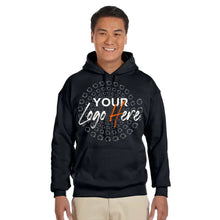
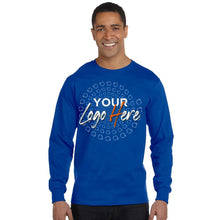
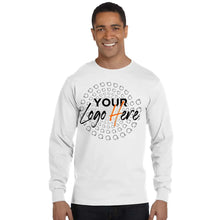
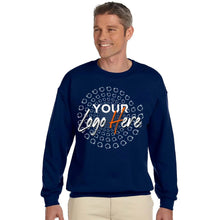
Projects can extend a central design onto custom long-sleeve T-shirts or add another layer with custom hoodies with no minimum. Trips, fitness groups, casual gatherings, and creative collections can incorporate custom tank tops.
Another silhouette can be introduced through custom V-neck T-shirts, while families, teams, and organizations involving younger participants can explore custom kids' shirts.
Organizing by garment first and size second makes the final apparel assortment easier to understand, particularly when several styles are connected by the same artwork.
Freeze the Information That Everyone Is Supposed to Share
Coordinated apparel usually contains a visual element that should remain unchanged. Establishing that shared information before personalization begins creates a stable foundation for the order.
For a Silver Spring business, the fixed element might be an approved logo, company name, slogan, or established graphic. A team can use a central identity. Organizations may repeat a logo or campaign design. Family projects can share a surname, reunion theme, celebration artwork, or trip graphic. Event apparel might repeat a title or central illustration.
When a shared graphic is repeated across multiple garments, customers can consider custom screen-printed T-shirts. Larger repeated-design projects can also explore wholesale screen-printed T-shirts.
Once the common information is approved, individual versions can branch from it without weakening the visual connection between the garments.
Handle Personalized Details as Data Attached to a Garment
Names, numbers, departments, roles, and other personalized details can create complexity because they must be paired with the correct apparel. Treating those elements as part of a complete garment record can make the order easier to manage.
A player record might contain a shirt style, size, name, and number. An employee record can include a garment, size, name, or department. A volunteer may have a particular apparel style and role designation.
Customers planning individualized clothing can explore custom names and numbers. Teams can also review team T-shirts with numbers.
The important distinction is between shared artwork and variable information. Everyone may receive the same central identity, but the individual data should remain attached to the person for whom it was provided.
Keep Business Inventory Separate From Employee Assignments
A Silver Spring business can need custom apparel for current employees while also keeping additional pieces available for future staff members, promotions, company activities, giveaways, or other uses. Those two categories should not be treated as though they are identical.
Employee-assigned apparel can be organized person by person. General company stock can be recorded by garment style and size. Both categories can use the same approved branding, allowing the company identity to remain consistent even though the distribution method differs.
This structure can also simplify repeat orders. The business can preserve its central artwork while updating employee information or replenishing general stock according to the next need.
Build Family Orders Around Households and Individuals
Family apparel can become complicated when a reunion, graduation, birthday, anniversary, vacation, or gathering includes several households and many sizes. Instead of treating everyone as one undifferentiated group, organize the clothing according to the people who will eventually receive it.
A reunion can use a shared surname, year, illustration, or family phrase while individual relatives choose different garments. Graduation apparel can center on a graduate's name, portrait, or year while family members select appropriate sizes and styles. Birthday and trip clothing can follow the same principle.
If apparel will eventually be divided by household, that information can become part of the planning structure. The common artwork maintains the family connection while the distribution plan keeps each person's garment easy to identify.
Bring Printing Into the Project After the Order Has Taken Shape
Once the garments, quantities, shared artwork, and personalized details are understood, printing options can be considered in the context of the actual project.
A business logo, team identity, organization design, family graphic, fundraiser artwork, or event concept repeated across several garments can make screen printing relevant. The repeated graphic provides the common visual foundation.
Suitable detailed digital artwork can be considered for direct-to-garment printing. Often called DTG, the process prints digital artwork directly onto apparel and can be considered for projects where detailed digital graphics play a central role.
Logos, illustrations, merchandise artwork, and event graphics can also be considered for direct-to-film printing. Projects involving lettering, names, numbers, or certain graphic elements can make heat transfer and vinyl printing another route to review.
The production method should support the artwork and order requirements rather than forcing every project into the same structure.
Give a Photo Shirt One Clearly Identified Source Image
Photographs can carry personal meaning that makes accurate file selection particularly important. Graduation portraits, family pictures, friendship photos, pet images, vacation memories, and memorial photographs can become the main visual element of personalized apparel.
A custom photo T-shirt can combine the selected image with a name, date, year, caption, or short message. One garment can become a gift or keepsake, while several pieces can connect relatives or friends through the same photograph.
If multiple similar images exist, identify the exact source photograph before the surrounding design is finalized. Then check supporting text independently. Names, dates, years, and captions should accurately correspond to the intended image and occasion.
Think of Merchandise as Shelves That Need a Deliberate Assortment
Artists, illustrators, designers, independent brands, entrepreneurs, clubs, and organizations often create apparel without knowing the eventual wearer of each piece. In that situation, merchandise can be planned as organized inventory rather than a roster.
Imagine the finished collection arranged on shelves. Each piece belongs to a specific design, garment type, and size. A first release can remain focused on one illustration, character, phrase, logo, or graphic rather than attempting to fill every possible category.
Additional designs and garments can be introduced as the audience develops. A smaller release can match early distribution needs, while increasing demand can eventually make bulk ordering more appropriate.
This approach keeps inventory connected to a deliberate assortment instead of turning merchandise quantity into a collection of pieces without a defined role.
Keep the Approved Artwork in a Vault Away From Everyday Variations
Personalization can cause one design to branch into many working files. Player numbers create team versions. Employee departments can create business variations. Event roles add another set of files, and merchandise artwork may need adjustments for different garments.
Keep one clearly identified master containing the approved shared artwork. Personalized and garment-specific versions can be created from that master while the source itself remains unchanged.
If existing artwork needs preparation, customers can explore design review and repair. Older or problematic artwork can also be considered for art repair and file recovery.
Before approving the master, verify company names, personal names, slogans, dates, years, captions, numbers, departments, roles, and event titles. Future versions should inherit information from a source that has already been carefully reviewed.
Count Backward From the People, Roles, and Inventory Categories
Instead of selecting a total first, build the quantity from the categories already established. Assigned apparel comes from wearer records. Business stock comes from planned inventory. Event quantities can come from participant groups or roles. Merchandise is counted according to the intended assortment of designs, garments, and sizes.
This approach can be especially useful when an order combines assigned and unassigned pieces. A business might have twenty employee garments plus additional stock. An event may have named organizers plus general participant shirts. Keeping those quantities separate until the end makes the total easier to explain and verify.
Customers comparing cost-conscious apparel can also browse affordable custom T-shirts while deciding what quantity and garment assortment fit the project.
Set the Deadline for Distribution, Not Just the Event
A birthday, graduation, reunion, fundraiser, competition, trip, company activity, promotion, or organization event may have a clear date, but apparel can be needed before that date. Shirts may require sorting, packing, mailing, or distribution to individual participants.
Customers working with shorter timelines can explore same-day printing T-shirts and review same-day shipping information.
Artwork, garments, sizes, quantities, and personalized information should be finalized with enough attention to the point when the apparel actually needs to begin moving toward its recipients.
Perform the Last Review as a Sorting Exercise
Imagine the finished garments spread across a large table. Begin with the pieces assigned to individuals. Pick one garment and identify its recipient. Confirm the style, size, shared artwork, and any personalized name, number, department, role, or other information. Then continue to the next wearer.
Move to general inventory. Business stock should be understandable by garment and size. Merchandise should be organized according to design, apparel type, and size. Event pieces should correspond to their intended participant groups or roles.
Next, examine the information that appears across the collection. Confirm the correct company logo, team identity, family graphic, organization design, event artwork, photograph, or creator illustration. Read visible business names, personal names, dates, years, slogans, captions, numbers, departments, and role wording.
Finally, compare the sorted categories with the overall quantity. Every garment should have an explanation. It either belongs to a known person or occupies a deliberate place in inventory, business stock, event distribution, or merchandise.
When the order can be sorted without guessing, the planning has done its job. Shared artwork connects the pieces that belong together, personalized information reaches the correct wearers, and the quantity reflects how the apparel will actually move from production into use.