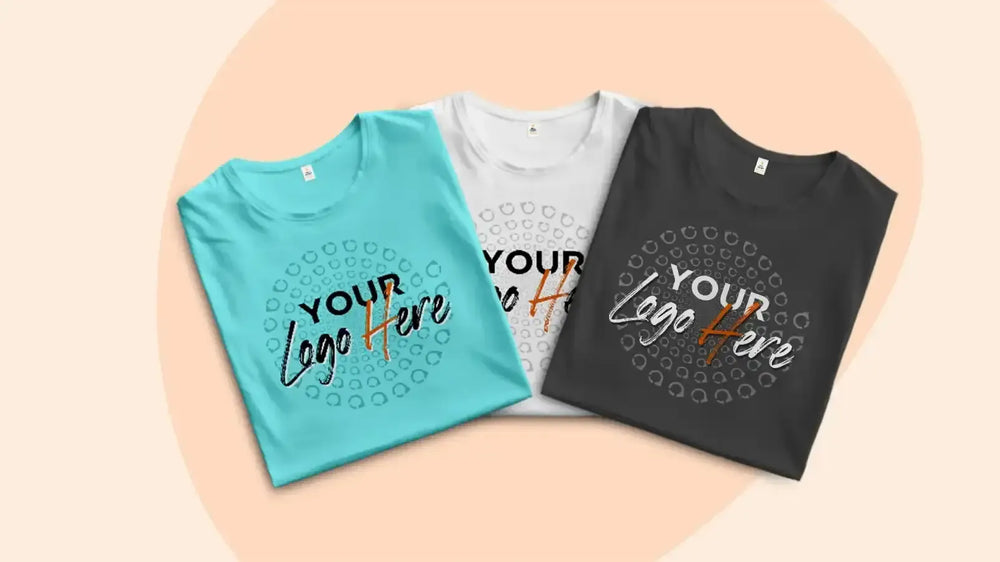
Yes! You can customize premium and heavyweight T-shirts, subject to product availability. These garments are popular for streetwear brands, fashion merchandise, and customers who prefer a more substantial fabric. Choose from available apparel styles and customize them with your logo, artwork, or personalized design.
Can I change my shipping address after my custom apparel order has been placed?
If you need to change your shipping address, contact Custom One as soon as possible with your order number and corrected address. Changes may be possible before the package is shipped. Once a shipment is in transit, address modifications depend on the carrier's policies and may involve additional charges or delays.
Can I print sponsor logos on custom sports team apparel?
Yes! Sponsor logos can be printed when you have permission to reproduce them. Depending on garment and method, logos may appear on the front, back, or sleeves. Provide high-resolution files and placement instructions.
Are water-based inks better for environmentally conscious T-shirt printing?
Water-based inks can offer certain environmental advantages depending on their formulation, manufacturing process, and production conditions. However, water-based does not automatically mean environmentally harmless. Ink ingredients, wastewater management, curing energy, durability, and waste disposal all influence environmental impact. If you have specific sustainability requirements, contact Custom One to discuss available ink options and supporting product information.
Custom T-Shirt Printing in Havre, Montana
Custom apparel can be planned around a simple operational question: what needs to remain available if more shirts are needed later? A business may add employees. A team can return with a new roster. A family may discover that additional relatives want shirts after an initial gathering order. A creator can decide to produce more of a popular design, while an organization may reuse established artwork for another activity. Custom One Online serves Havre, Montana customers with custom T-shirt printing for one-time projects as well as apparel concepts that may be useful again.
Preparing for a possible reorder does not mean purchasing extra garments before they are needed. It means keeping the reusable parts of the project understandable. The artwork can have a clear identity, the garment choice can be documented, personalized information can remain separate from the shared graphic, and temporary event details can be distinguished from elements intended for continued use. That approach can support everything from company shirts and team apparel to family designs, creator merchandise, photo shirts, and no-minimum custom pieces.
Build a Repeatable Shirt Around the Elements That Are Likely to Stay
Some apparel elements naturally have a longer useful life than others. A company logo may remain relevant across several employee orders. A club emblem can continue from one activity to another. A family graphic may return for another gathering, and an artist's established illustration can remain part of a merchandise catalog.
Keep the Reusable Graphic Easy to Identify
If the central design will potentially appear again, it helps to distinguish it from dates, participant names, temporary slogans, or other information tied to only one order.
The objective is not to make the artwork generic. A recognizable design can remain distinctive while avoiding accidental dependence on information that expires after one use.
Business Apparel Can Be Prepared for New Employees and Replacement Shirts
A Havre business may order employee apparel today and need additional garments later. Staff numbers can change, sizes can change, and a company may introduce another garment style while continuing to use the same central identity.
Maintain a Standard Company Version
An everyday employee shirt can concentrate on the company logo and other information intended to remain current. When additional staff apparel is needed, the standard version provides a clear reference for the next order.
Separate Temporary Company Activities
An anniversary, promotion, campaign, conference, staff event, or other temporary activity can use its own wording without permanently changing the standard company shirt.
Businesses with suitable larger-volume requirements can review screen printing wholesale. Customers interested in apparel purchasing options can also explore blanks wholesale.
This gives a business a dependable everyday design while leaving room for special-purpose apparel when it is actually needed.
Team Reorders Can Keep the Identity While Changing the Roster
Team apparel illustrates why shared artwork and personal information benefit from being kept distinct. The team name, logo, or common graphic may remain useful even when players, numbers, and sizes change.
Preserve the Shared Team Artwork
The common design can serve as the reusable portion of the project. When another set of garments is needed, the current roster can be applied without rebuilding the team identity from the beginning.
A returning player may need a different size. A new player needs a new name and number record. A previous participant may no longer require apparel. Treating the roster as current order information allows the shared identity to continue without assuming the old wearer list is still correct.
Family Designs Can Return Without Repeating Every Old Detail
A family reunion, vacation, anniversary, birthday, or other gathering can produce artwork that people want to use again. The family name, illustration, symbol, or phrase may remain meaningful even if the year, location wording, or participant group changes.
Keep the Family Identity Reusable
A central family graphic can remain available as the recognizable part of the design. Event-specific information can be changed when another occasion is planned.
Account for Different Ages on the Next Order
Customers can explore custom kids' shirts when younger family members need apparel. If the next gathering includes a different combination of adults and children, the size distribution can change without requiring the family artwork to become an entirely new concept.
This approach can also help when additional relatives request shirts after the original order. New garments can follow the established family direction while reflecting the sizes and apparel needs of the new recipients.
A Reorder Can Preserve the Design Without Requiring the Same Garment Forever
A design may remain useful even when customers want to place it on another type of apparel. An original T-shirt project can later expand to long sleeves, tanks, hoodies, V-necks, or other garments.
The established artwork can be considered in relation to each new garment rather than assuming its physical dimensions should transfer unchanged. Reusing the creative identity does not require ignoring differences between apparel styles.
Keep the Useful Artwork, Not Just a Memory of the Finished Shirt
A previous garment can show what the design looked like, but a usable artwork file can provide a stronger foundation for future apparel. Businesses, organizations, teams, families, and creators can benefit from retaining the design assets associated with recurring projects.
Identify the Main Artwork Separately From Order-Specific Text
A company logo, illustration, family emblem, or creator graphic may remain useful for years, while a date or temporary phrase applies only to one order. Keeping those elements distinguishable makes future updates more practical.
An older design does not necessarily need to be discarded because one part is outdated. Useful elements can remain while obsolete information is addressed for the current apparel project.
Photo Shirts Are Often Better Treated as Image-Specific Projects
A photo shirt can be reordered, but the photograph itself is central to the design. A graduation portrait, pet image, family photograph, memorial picture, friendship photo, or travel memory can have meaning precisely because it captures a particular person or moment.
Decide Whether the Same Photograph Still Belongs in the Next Shirt
A replacement commemorative shirt may appropriately use the same photograph. A new annual family project, however, might call for a more recent image. A graduation design may remain tied permanently to the original portrait.
The surrounding artwork can sometimes be reused even when the photograph changes. A frame, name treatment, or other design element can provide continuity while the image is selected according to the current project.
Creator Merchandise Can Be Prepared for Selective Restocks
Artists, illustrators, independent brands, clubs, and creators may discover that some designs warrant additional production while others remain limited. Keeping merchandise designs identifiable can make it easier to decide what should return.
Restock the Design That Needs More Units
A creator with four graphics does not need to reproduce all four merely because one design needs another run. Each artwork concept can retain its own garment and quantity decisions.
A design originally used on a T-shirt can later be considered for another apparel category. The creative asset remains familiar while the garment and production requirements are reviewed for the new item.
This allows merchandise to develop according to actual demand rather than requiring every artwork idea to expand at the same time.
Keep the Printing Approach Connected to the Current Project
Reusing artwork does not mean every future order must ignore changes in garment, quantity, or project requirements. The printing approach can still be considered according to the current version of the apparel.
Screen Printing
Suitable repeated designs can be considered through screen printing.
The artwork may be familiar, but the current garment mix, quantity, personalization, and other production requirements still deserve consideration.
Refresh the Size Count Instead of Copying an Old Order Automatically
A previous size distribution can provide historical context, but it does not necessarily describe the people receiving the next set of garments. Businesses hire new employees. Family participants change. Team rosters turn over. People may also need different sizes than they ordered previously.
Use the Current Wearer Group for the Current Quantity
A reorder can preserve artwork without copying outdated quantities. If the new group needs fewer small shirts and more large shirts, the current size requirements should determine the new order.
The same principle applies to adult and youth apparel. A family or organization can update its garment distribution while retaining the recognizable design.
Separate Clearly Intended Extras
If a business wants additional standard shirts for anticipated staff needs or an event requires a small number of extra garments, those pieces can be added deliberately instead of being hidden inside an unexplained size estimate.
A Later Order Can Grow Without Changing the Original Idea
A design may begin with a modest quantity and later be needed by a larger audience. A business can expand. An organization can attract more participants. A creator may receive greater interest in a particular graphic.
The first run does not need to predict every future garment. A project can begin with the quantity required now and return to the established artwork if additional apparel becomes appropriate later.
This can be especially useful for creators testing an original design or organizations whose participant numbers may change from one activity to another.
When a Familiar Design Is Needed Quickly, Focus on the Current Order
A returning design can still become time-sensitive. A business may need shirts for an upcoming activity, a team can require apparel before competition, or a family may need another set before a scheduled gathering.
Established Artwork Can Reduce Unnecessary Reinvention
If the central design remains appropriate, a new order can concentrate on the current garments, quantities, sizes, and personalized information instead of introducing an unrelated redesign solely because another order is being placed.
Use the Real First-Use Date
Travel, sorting, distribution, preparation, or setup may happen before the main event. The practical need date should account for the point when the garments first have to be available.