A custom apparel order often reaches a point where changing one detail changes several others. A new garment choice can affect size selections. Adding another participant can change quantity and personalization. Revising shared wording can affect every shirt that uses the design. Custom One Online provides custom T-shirt printing for Framingham, Massachusetts customers planning apparel for businesses, teams, organizations, families, events, individual projects, and merchandise releases.
A useful way to manage these connections is to establish checkpoints. At each checkpoint, certain decisions become dependable enough for the next part of the order to build on them. The goal is not to make the process rigid. It is to avoid building names, quantities, production choices, and garment variations on information that is still changing. Framingham customers can explore custom T-shirt printing while moving an apparel idea through these connected approval points.
The First Checkpoint: Confirm What the Group Is Actually Ordering
Before collecting every size or preparing individualized artwork, define what the order includes. A Framingham business might need branded employee shirts plus additional general stock. A team may want a common design with player names and numbers. A family could be planning coordinated clothing for a reunion, graduation, birthday, anniversary, or trip.
An organization or event might require one central identity with several role-specific versions. A merchandise project can be different again because the garments are intended for future customers rather than known wearers.
At this stage, establish the boundaries of the project. Decide which groups are included, whether garments will be personalized, and whether any portion of the order will remain unassigned inventory. These decisions give later quantities and records a defined purpose.
Draw an Invisible Line Between Easy Edits and Cascading Changes
Early in the project, many decisions remain flexible. As information becomes connected, certain changes begin to affect more than one part of the order.
Changing one participant's size can be relatively contained. Correcting one personalized number may affect only that wearer's garment. Increasing general business stock can primarily change the quantity.
Other changes travel much farther. Replacing the shared logo can affect every business garment. Changing the primary team shirt after sizes have been collected can require those size assignments to be revisited. Revising an event title can affect every role-specific version containing that wording.
This invisible change boundary becomes increasingly important as the project develops. Before altering an approved detail, identify which later decisions were built from it. A change can still be made when necessary, but its full effect should be understood first.
Use One Planning System for Businesses, Teams, Families, and Events
Although these projects serve different purposes, they can all be organized around shared information and variable information.
A business can establish a company logo or approved graphic as the shared element. Employee names, departments, garment choices, and sizes can vary. General company stock can use the same branding without being assigned to a specific employee.
A team can share one identity while player names, numbers, and sizes change. Customers working with these individual details can explore custom names and numbers or review team T-shirts with numbers.
A family can share a surname, date, destination, illustration, or celebration theme while relatives select different sizes and apparel styles. Events and organizations can repeat central artwork while distinguishing organizers, volunteers, staff members, participants, or other roles.
The common system is simple: approve the shared layer once, then connect changing details to the people or categories that need them.
The Second Checkpoint: Connect Every Assigned Garment to a Complete Wearer Record
A personalized garment should not be built from several unrelated lists. Instead, keep the information for each wearer together.
A team member's record might contain the selected shirt, size, surname, and number. An employee record can contain a garment, size, name, and department. A family record may need only the garment and size, while an event participant could also have role-specific wording.
This becomes especially valuable when changes occur. If one player's size changes, the update happens inside that player's record while the name and number remain connected. If another person leaves the order, the garment, size, and personalized details can all be removed together.
Once the wearer records are confirmed, the project has a dependable source for personalized production and quantity calculations.
Let the Established Project Point Toward a Printing Method
Printing does not have to dictate the project before the artwork and order are understood. Once the shared design, garment choices, quantity, and variations are clearer, production options can be considered in context.
A company logo, team identity, organization graphic, family design, fundraiser concept, or event artwork repeated across multiple pieces can make screen printing relevant. Larger repeated-design projects can also explore wholesale screen printing.
Suitable detailed digital graphics can be considered for direct-to-garment printing. DTG can be explored when the characteristics of the digital artwork and project align with printing directly onto the garment.
Logos, illustrations, merchandise artwork, event graphics, and other custom designs can also lead customers toward direct-to-film printing. Names, numbers, lettering, and certain graphics can make heat transfer and vinyl printing another option.
Production becomes a consequence of the project requirements rather than an arbitrary choice made before those requirements exist.
When the Blank Changes, Revisit Everything Attached to the Blank
A garment change can have consequences because sizes, wearer preferences, artwork placement, and quantities may already be attached to that selection. This makes the blank another important checkpoint.
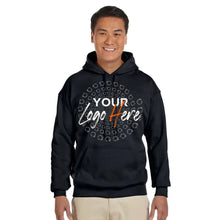
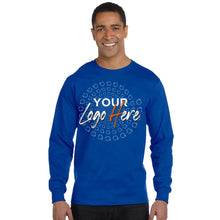
A coordinated apparel project can extend onto custom long-sleeve T-shirts or custom hoodies with no minimum. Fitness groups, trips, events, and creative collections can incorporate custom tank tops.
Customers can add another silhouette through custom V-neck T-shirts, while families, organizations, and teams involving younger participants can explore custom kids' shirts.
When several apparel styles appear in one project, record the garment and size as a pair. A medium hoodie and medium T-shirt are separate pieces. If the hoodie is replaced with another garment, its associated size information deserves another look instead of being transferred automatically.
The Third Checkpoint: Make the Quantity Explainable
The total quantity should correspond to the people and inventory behind the project. A team can calculate its personalized garments from confirmed roster records. A business can add employee assignments to separately planned general stock. A family can count participating relatives, and an event can total the garments needed across its roles.
Projects with broader distribution can explore custom bulk T-shirts. The quantity can grow according to the real scale of the project instead of beginning as an arbitrary target.
At this checkpoint, additions should include all connected information. Adding another personalized wearer can mean adding a garment, size, name, number, department, or role as well as increasing the quantity.
Unassigned business stock and merchandise can be counted differently. Divide those pieces by garment and size so the inventory is defined even though the eventual wearer is unknown.
Allow Special Projects to Bypass the Parts They Do Not Need
Not every custom apparel idea requires a roster, bulk quantity, or multiple garment versions. A personal illustration, customized gift, announcement, hobby design, birthday shirt, or creative test can remain intentionally small. Customers can explore custom T-shirts with no minimum when one garment or a limited quantity suits the idea.
Photo apparel has another specialized dependency: the exact source image. A custom photo T-shirt can use a graduation portrait, family photograph, friendship picture, pet image, vacation memory, or memorial photo together with a name, date, year, caption, or short message.
If several similar photographs exist, confirm the intended image before the surrounding composition is considered final. Replacing a photograph later can change cropping, placement, and the relationship between the image and supporting text.
Even a one-piece project benefits from identifying one final artwork version and checking all visible wording before production.
Give Merchandise a Release Definition That Stays Consistent
Artists, illustrators, designers, independent brands, entrepreneurs, clubs, and organizations can create apparel for people who have not yet been identified. Merchandise therefore depends on a release definition instead of individual wearer records.
The creator can decide which artwork belongs to the release, which garments carry it, what sizes will be available, and how many pieces belong to the initial quantity. Together, these decisions define the collection.
If another garment is introduced later, it becomes an intentional extension. If a second illustration is added, it can be treated as another design within the catalog rather than silently replacing the first artwork.
This approach supports consistency across a creative collection. The merchandise can grow while the creator retains a clear understanding of which designs and garments belong to each release.
Repair the Foundation Before Creating More Dependent Files
An older logo, missing source, damaged graphic, or unsuitable artwork can become a problem when many personalized or garment-specific files are created from it. Resolve the source first so later variations begin from dependable artwork.
Customers whose files need preparation can explore design review and repair. Older or problematic artwork can also be considered for art repair and file recovery.
Once the artwork is ready, preserve one clearly identified master. Business department versions, player personalization, event roles, family variations, and merchandise adaptations can branch from that source without replacing it.
Before approving the master, read company names, personal names, dates, years, slogans, captions, event titles, and other visible wording carefully. A source error can otherwise travel into every version that depends on it.
The Final Checkpoint Before Production: Establish the Freeze Point
A project can accept routine changes while there is enough time to absorb them. Eventually, however, the artwork, garments, sizes, quantities, and personalization need to remain stable so the order can move forward.
The useful deadline may occur before the day the apparel will actually be worn. Shirts might need to be organized or distributed before a graduation, reunion, fundraiser, competition, birthday, trip, company activity, promotional program, or organization event.
Customers with shorter timelines can explore same-day printing T-shirts and review same-day shipping information.
Before reaching the freeze point, confirm the shared artwork, garment selections, wearer records, inventory quantities, photographs, personalized details, and role variations. If a necessary change appears afterward, evaluate everything that depends on the affected information instead of changing one field in isolation.
Release the Order Only When Every Checkpoint Points to the Same Version
The final order should describe one consistent project. Start with the shared artwork. Confirm the correct company logo, team identity, organization graphic, family design, event concept, photograph, or creator illustration. Read visible business names, personal names, dates, years, slogans, captions, and event wording.
Move to the wearer records. Each personalized garment should connect the intended person with the correct apparel style, size, name, number, department, or role. If one wearer has more than one garment, make sure each piece is represented separately.
Then compare the quantity with the confirmed needs. Roster entries, employee assignments, family requests, event roles, business stock, and merchandise categories should collectively account for the order.
Check that the selected garments agree with the size records and that specialized artwork versions were created from the approved source. Make sure the project schedule reflects when the apparel needs to be ready rather than only the date on which it will eventually be worn.
When these checkpoints agree, the project has reached a release state. Artwork, garments, personalized information, quantities, and timing all refer to the same approved order, allowing the custom apparel project to move forward without competing versions of what was actually requested.