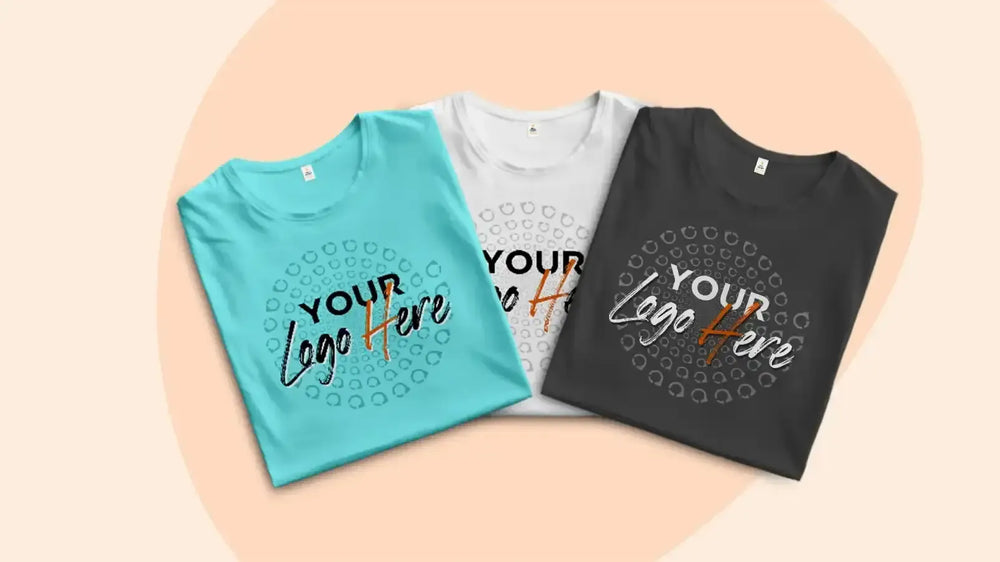









Custom T-Shirt Printing in Waterbury, Connecticut – Screen Printing, DTF, DTG, and Personalized Apparel
Waterbury has long been associated with making things. Its industrial growth brought metalworking, brass production, factories, skilled trades, and commercial activity that earned it the enduring “Brass City” nickname. Today, however, a custom apparel project does not need gears, factory silhouettes, or metallic colors to belong in Waterbury. Businesses, families, students, churches, neighborhood organizations, recreational groups, and independent creators can instead focus on another useful idea: what does the shirt help people recognize immediately, and what information can wait until they look closer?
Custom One provides online custom t-shirt printing for customers and projects in Waterbury, Connecticut. Eligible orders can range from a single personalized garment and no-minimum apparel to employee shirts, family projects, student clothing, community merchandise, recreational apparel, creator products, and larger bulk quantities using original, licensed, or appropriately authorized artwork.
Customers can browse custom T-shirt printing for approved business identities, independent illustrations, authorized photographs, names, numbers, custom lettering, and other suitable designs.
Separate Immediate Recognition from Supporting Information
A shirt may need to communicate more than one thing, but those messages do not have to arrive simultaneously. A volunteer might need the organization name to be immediately recognizable while a project date remains secondary. A family shirt could emphasize an illustration or photograph before the reunion year. Business merchandise may feature the company identity while a location or anniversary appears more quietly.
This approach can help Waterbury projects avoid turning every available fact into equally prominent artwork. The first information noticed should normally serve the primary reason for the shirt. Supporting details can provide context after that initial recognition occurs.
A student organization might prioritize the project title, then add the year. A recreational group can emphasize its original emblem while participant names remain individualized. A creator may let the artwork dominate while the brand name provides attribution rather than competing with the image.
Business Apparel Can Distinguish Recognition from Explanation
Waterbury businesses include manufacturers, healthcare-related organizations, restaurants, retailers, contractors, automotive operations, professional services, home-service providers, logistics companies, creative businesses, and many other employers. Their apparel can serve employees, customers, promotions, company activities, and merchandise programs.
Employee clothing may need immediate approved company identification. Customer merchandise can take a different direction by illustrating something associated with the company's own work. A restaurant could commission original food-related artwork. A contractor might develop an independent graphic connected with its trade, while a manufacturer can create suitable merchandise around products or processes it legitimately controls.
Suitable repeatable business graphics may be considered for screen printing. Organizations preparing larger quantities can explore bulk custom T-shirt printing.
Standard decorated shirts should not automatically be considered high-visibility apparel, flame-resistant workwear, protective equipment, medical protective clothing, or specialized industrial garments. Businesses requiring technical performance properties should verify the specifications of the underlying product.
The Brass City Story Offers Historical Material without Dictating the Design
Waterbury became one of the country's important centers of brass manufacturing during its industrial expansion. Metalworking companies produced a wide variety of goods, and the industry shaped employment, immigration, neighborhoods, architecture, transportation, and the city's national reputation.
Historical groups and students can interpret that story through newly created artwork rather than reproducing an existing factory logo or archival advertisement. An original illustration could explore general metalworking forms, industrial architecture, products associated with a researched period, or the relationship between workers and manufacturing.
A family whose history includes industrial work may have authorized photographs or personal material that offers a more direct subject. Independent artists can also interpret industrial history through their own visual language without imitating an existing heritage graphic.
Historical advertisements, factory marks, archival photographs, museum materials, published diagrams, and commercial identities can have rights holders or usage restrictions. Historical significance does not automatically make every related visual resource available for merchandise reproduction.
Choose Production According to What the Viewer Needs to See
Different designs communicate through different kinds of information. A bold repeatable emblem, detailed illustration, authorized photograph, and individualized participant roster can each lead to a different production conversation.
Approved Repeatable Graphics
Suitable business, organization, event, family, and other repeatable artwork may be considered for custom screen printing, depending on artwork, quantity, garment choice, and production requirements.
Authorized Photographs
Suitable photographic and image-rich designs may be candidates for direct-to-garment printing, depending on garment and image characteristics.
Detailed Digital Illustration
Suitable multicolor artwork and selected detailed graphics may be considered for direct-to-film printing.
Individual Names and Numbers
Suitable variable information may use heat transfer or vinyl printing or another appropriate personalization process.
Quantity, garment construction, artwork characteristics, image detail, and individualized information should be considered together before an appropriate printing method is selected.
Recognizable Architecture Can Be a Subject without Becoming a Shortcut
Waterbury has several prominent historic buildings, including the Republican-American building with its distinctive clock tower, as well as civic, religious, commercial, and former industrial structures associated with different periods of the city's development.
Architecture can become meaningful custom apparel material when a project has an appropriate connection to it. A student group might independently illustrate architectural features as part of a historical project. A family can commission a drawing of a building important to its own story, while an artist might interpret a streetscape using original work.
Professional architectural photography, newspaper branding, business identities, published illustrations, and existing artwork can be protected. The ability to see a building from a public place does not provide rights to copy another creator's photograph or illustration of it.
Family Shirts Can Make the People Easier to Remember Than the Place
Waterbury families may create apparel for reunions, birthdays, weddings, anniversaries, graduations, retirement celebrations, memorial gatherings, vacations, and other occasions. The city can identify where the gathering occurred while the family's own material supplies the main story.
An authorized photograph, longtime home, family business, occupation, pet, vehicle, garden, recipe-related subject, hobby, or independently created family emblem can provide a distinctive centerpiece.
Suitable photographic projects can explore a custom photo T-shirt. Families ordering across age groups can also browse custom kids' shirts.
Professional portraits, school photographs, newspaper images, archival photography, and other third-party material should only be reproduced with appropriate permission. A family relationship with the people shown does not necessarily establish ownership of the photograph.
Waterbury's Immigrant History Can Be Discussed without Turning Heritage into Decoration
Industrial Waterbury attracted workers and families from many places, and successive immigrant communities contributed to the city's neighborhoods, churches, businesses, food traditions, civic life, and workforce. Family and community apparel may legitimately reflect those histories when the material belongs to the people involved.
A family might use authorized historical photographs, original lettering, a recipe-related illustration, or another element from its own history. A cultural organization can use artwork it owns or is authorized to reproduce.
National symbols, traditional motifs, religious imagery, organization marks, historic photographs, and culturally specific designs should not simply be copied from online sources because they appear to represent a particular heritage. Ownership, context, and permission remain relevant.
Original artwork created with appropriate knowledge and authorization can represent a specific community more accurately than a collection of generalized cultural symbols.
Community Shirts Can Make the Program Visible before the Sponsors
Churches, charities, nonprofits, neighborhood organizations, volunteer teams, food programs, cultural groups, youth initiatives, and community organizations may use apparel during fundraising, outreach, cleanup work, education, distribution, and recurring programs.
A food program might commission an original illustration connected with its service. A neighborhood cleanup can develop its own project graphic, while a youth initiative may create a design around the activity participants are completing.
Organizations planning specialized quantities, garments, or production requirements can request a custom apparel quote.
Working with the City of Waterbury, the State of Connecticut, a school, government agency, nonprofit, business, or other partner does not automatically authorize reproduction of that partner's seals, logos, badges, or protected marks. Apparel should not falsely imply government authority, employment, sponsorship, or official endorsement.
Student Projects Can Put the Accomplishment before the Institution
Waterbury students may create apparel for academic clubs, STEM projects, performances, publications, graduation groups, volunteer activities, athletics, and independent organizations. The central artwork can represent what students actually accomplished.
An engineering group might illustrate something it built. Science students can create original graphics connected with a research topic, while writers, performers, and visual artists may use appropriately authorized material developed specifically for their work.
School and university names, logos, seals, mascots, athletic identities, departmental marks, and related branding may be protected. Appropriate authorization should be obtained before reproducing protected educational identities.
Independent student apparel should not falsely imply official licensing, sponsorship, endorsement, or institutional approval when no such relationship exists.
Highly Recognizable Local Sites Still Require Thoughtful Artwork Choices
Waterbury contains distinctive local landmarks and sites that residents may associate strongly with the city, including Holy Land USA on Pine Hill. Familiarity can make such locations tempting subjects for community or creator merchandise, but a recognizable site does not automatically make every existing image associated with it reusable.
An independent artist may create a new depiction from legitimate reference material where appropriate. A photographer can work from images they personally created and control, while a historical project may research the site's story without copying another creator's photograph, logo, publication graphic, or merchandise design.
Religious symbols and imagery can also carry meanings beyond their decorative appearance. Projects should use them in contexts appropriate to the organization, family, creator, or community involved rather than simply as shorthand for a location.
Recreational Apparel Can Make the Group Read First and the Sport Second
Basketball, baseball, softball, soccer, running, fitness programs, youth activities, martial arts, and other recreational pursuits can generate custom apparel projects throughout Waterbury.
An independent team can commission its own emblem. A running group may create original artwork around a challenge, while a youth program can combine a central group identity with individualized names or numbers.
Suitable projects requiring participant information can explore team T-shirts with numbers.
Professional, collegiate, school, league, tournament, event, and commercial sports marks may require authorization before reproduction. Adding “Waterbury,” a player name, or a number does not create rights to use protected sports branding.
Small Personalized Details Can Carry Important Information
A shared central graphic may identify the family, company, volunteer project, student organization, recreational group, or community program while individual garments contain different names, numbers, departments, titles, or roles.
Suitable projects can explore custom names and numbers. Each participant's preferred spelling, capitalization, number, title, garment selection, and size should remain associated with that individual during review.
Nicknames may be intentional. Two participants may legitimately share a number, and names can contain hyphens, spaces, punctuation, or diacritical marks that should not be casually removed. Variable information should be checked against approved current entries.
Groups should also consider whether full names or other identifying information genuinely need to appear publicly, particularly on apparel intended for children.
Waterbury Creators Can Decide Which Part Is Seen First
Illustrators, photographers, musicians, designers, filmmakers, makers, writers, and independent brands can use visual emphasis intentionally. An illustrator may want the artwork recognized before the creator name. A musician might reverse that relationship for tour or release merchandise, while a photographer may let an image carry nearly all of the visual attention.
Creators testing suitable artwork can explore custom T-shirts with no minimum. Projects with established demand can consider wholesale screen printed T-shirts when appropriate.
Murals, professional photographs, album artwork, characters, sculptures, event graphics, and other publicly visible creative works can still have rights holders. Public display does not provide merchandise reproduction rights.
Photographic Detail Should Support the Subject People Need to Recognize
A family may care most about faces. A business photograph might depend on the product, while a creator image may require subtle detail in the central subject. Evaluating the correct area matters more than simply checking the overall pixel dimensions.
Whenever possible, locate the strongest legitimate version from the original phone, camera, computer, cloud library, scan, external storage, or photographer delivery. Examine faces, products, buildings, artwork, lettering, highlights, shadows, and other important areas near the intended reproduction size.
Increasing the dimensions of a compressed screenshot cannot recreate information already discarded. A stronger legitimate original generally provides a better foundation.
Technical image quality and reproduction permission remain separate considerations. Professional portraits, event photography, school images, archival photographs, and other third-party material should only be reproduced with appropriate authorization.
Give the Strongest Artwork the Strongest Source File
If the company logo, family illustration, creator graphic, or organization emblem is the first element people should recognize, it should not be supplied as the weakest file in the project. A low-resolution screenshot of the main artwork paired with sharp secondary text reverses the project's priorities at the technical level.
Check company archives, designer folders, original photography, email attachments, cloud storage, external drives, and previous authorized project materials for stronger legitimate versions before rebuilding artwork from a small web image.
Eligible projects can explore design review and repair. Selected graphics may also benefit from an art repair and file recovery service.
Technical repair does not create copyright, trademark, publicity, government, educational, licensing, or other reproduction rights. Authorization remains a separate requirement.
The Same Visual Priorities Can Continue across Different Garments
A Waterbury project may include adults and children, indoor and outdoor workers, volunteers with different responsibilities, or customers with different apparel preferences. More than one garment category can carry suitable versions of the same central identity.
Customers can browse standard shirts alongside custom V-neck T-shirts, custom long-sleeve shirts, custom kids' shirts, and custom hoodies with no minimum.
Necklines, seams, printable dimensions, fabric composition, garment construction, and available decoration areas can vary. Artwork should be reviewed for each selected product rather than assuming identical dimensions and placement will work everywhere.
Standard custom apparel should not automatically be considered high-visibility clothing, flame-resistant workwear, cold-weather protective equipment, or other specialized gear unless those properties are specifically provided by the underlying garment.
The Most Recognizable Graphic May Also Be the One Most Likely to Need Permission
A famous company mark, school logo, professional sports identity, city seal, newspaper graphic, historical photograph, or familiar local organization's emblem can make a shirt immediately recognizable. That recognition does not create permission to reproduce it.
Business trademarks, educational marks, government seals, professional and collegiate sports identities, photographs, characters, event graphics, commercial illustrations, and other third-party material may require appropriate authorization before reproduction.
Original illustration, creator-owned photography, properly licensed resources, and commissioned artwork with suitable usage rights can create distinctive Waterbury apparel without falsely suggesting sponsorship, licensing, government authority, institutional approval, employment, endorsement, or official affiliation.
Make the Delivery Date as Easy to Identify as the Main Graphic
Business activities, family celebrations, graduations, volunteer programs, recreational events, performances, fundraisers, and creator releases can have firm dates. Qualifying projects can explore same-day shipping custom apparel.
Same-day shipping means an eligible order is dispatched within the applicable timeframe. It does not mean guaranteed same-day delivery to Waterbury, Connecticut. Artwork readiness, personalization, cutoff times, garment availability, production eligibility, destination, carrier schedules, weather, and transit conditions can affect arrival.
Customers preparing apparel for a fixed date should review same-day shipping information and allow appropriate carrier transit time after dispatch.
Give Waterbury Apparel a Clear First Read and a Rewarding Second Look
Waterbury's industrial history, architecture, neighborhoods, businesses, families, schools, community organizations, and creative activity provide many possible design subjects. The challenge is not finding enough material. It is deciding which information deserves immediate recognition and which details can be discovered afterward.
A company can make its identity easy to recognize while allowing merchandise artwork to provide additional character. A family may place an authorized photograph at the center and keep the date secondary. Students can emphasize what they created, volunteers can make their program immediately identifiable, and recreational groups can build original identities independent of professional sports branding. Artists, photographers, musicians, makers, and other creators can determine whether the work or the creator name should command the first glance.
Custom t-shirt printing in Waterbury, Connecticut can support businesses, families, students, churches, nonprofits, volunteers, recreational organizations, artists, photographers, musicians, makers, and independent brands. Eligible projects can range from one personalized garment to bulk custom apparel involving multiple products, sizes, names, numbers, departments, and roles.
Custom One provides online options for screen printing, DTG, DTF, heat transfer vinyl, photo shirts, custom names and numbers, no-minimum apparel, and bulk printing. Original or appropriately authorized artwork, accurate personalization, clear visual emphasis, strong source files, suitable garments, and realistic shipping expectations can help create Waterbury custom apparel that communicates quickly without giving up meaningful detail.