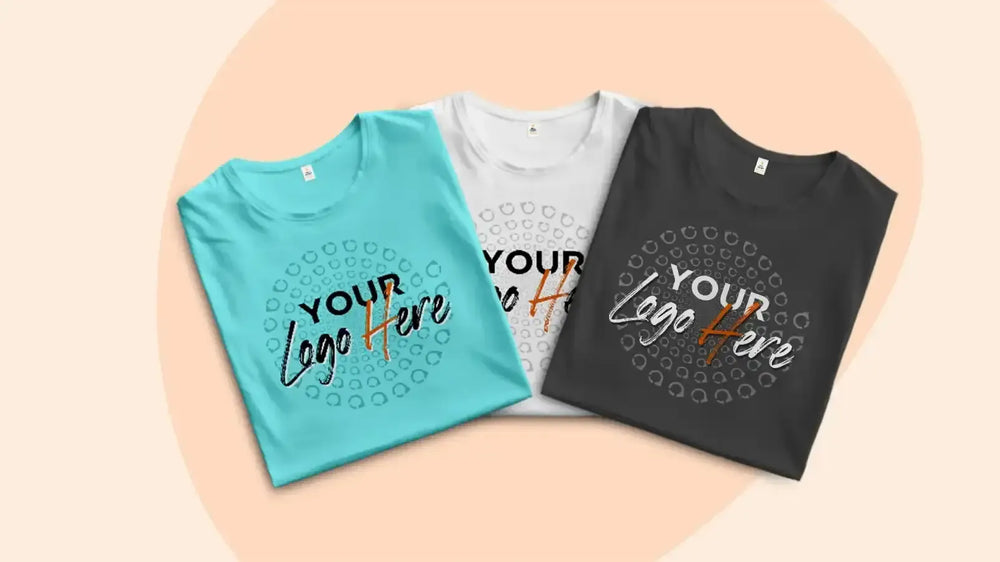
Custom apparel projects become more predictable when important decisions are treated as connected commitments rather than independent choices. The wording placed on a shirt affects the artwork. The blank garment influences sizing and design space. Personalized information creates additional versions, and the required completion date determines how long changes can remain open. Custom One Online provides custom T-shirt printing for Grand Rapids City, Michigan customers creating apparel for businesses, teams, organizations, families, events, individual ideas, and merchandise.
A useful project plan establishes what can still change and what has already become dependable. Once several other decisions rely on an approved element, changing that element can create a chain reaction. By identifying these dependencies early, Grand Rapids City customers can organize custom apparel around stable information while still allowing controlled adjustments where they are needed.
Build the Order Around Six Commitments
Most custom apparel projects can be understood through several connected commitments: wording, garment, color, quantity, personalization, and schedule. Each one answers a different question about what the finished order is expected to contain.
The wording commitment establishes the names, dates, slogans, event titles, business information, or other text that should appear. The garment commitment establishes which apparel styles are being customized. Color decisions connect the artwork and garments visually, while quantity determines how many pieces are actually required.
Personalization establishes which details change from one version to another. The schedule commitment determines when the remaining decisions must stop changing so the project can move forward.
These commitments do not need to be finalized simultaneously. They should, however, become stable in an order that respects their dependencies.
Test Every Revision for Its Downstream Effect
A proposed change can be evaluated by asking one question: what else would need to change if this decision changes?
If one employee selects another size in the same approved garment, the effect may remain limited. If a team member corrects a number, one personalized version may need attention. If a few general merchandise pieces are added without altering the design, the main consequence may be quantity.
Replacing the central logo is different. Every garment using that logo may be affected. Changing the blank after size information has been collected can require the sizing records to be reconsidered. Replacing a shared event date or family year can affect every design containing that text.
This creates a natural change boundary. Updates inside the boundary can remain relatively contained. Updates crossing the boundary should trigger a review of the decisions that depend on them.
Let Different Types of Projects Share the Same Commitment System
A Grand Rapids City business might approve one company logo for all branded apparel while employees select different garments and sizes. Some workers may also need names, departments, or other identifying information. The shared business identity remains fixed while employee-specific details vary.
A team can follow the same pattern. The central team artwork remains common while players have different names, numbers, garments, and sizes. Customers planning individualized apparel can explore custom names and numbers or review team T-shirts with numbers.
Family apparel can use a common surname, illustration, destination, celebration message, or year while relatives make individual apparel choices. Organizations and events can repeat one central identity while creating variations for staff members, volunteers, organizers, participants, or other roles.
The advantage of this structure is that shared information does not need to be recreated for every variation. It can remain stable while the variable layer changes around it.
Make Personalization Depend on One Reliable Source
Personalized information becomes easier to control when each version has a complete source record. Instead of maintaining separate lists for names, numbers, sizes, and garments, keep the details belonging to one version together.
A player's entry can include the garment, size, name, and number. An employee's entry might contain the apparel style, size, name, and department. An event version can connect a particular garment and size with role wording.
If a correction occurs, update the complete record. This keeps a correct name from becoming associated with the wrong number or garment and makes it easier to understand exactly what changed.
Once these records are approved, they become commitments of their own. Changes can still be made when necessary, but they should be treated as revisions to a defined version rather than informal updates scattered across several lists.
Allow the Artwork, Garment, and Scale to Shape the Printing Approach
The production route can follow from decisions already made about the design and order. This keeps the printing method connected to the actual project rather than choosing it in isolation.
Repeated business branding, team graphics, organization identities, family designs, fundraiser artwork, and event concepts can make custom screen-printed T-shirts relevant. Projects involving larger quantities of repeated artwork can also explore wholesale screen-printed T-shirts.
Suitable detailed digital artwork can be considered for custom direct-to-garment T-shirt printing. DTG can be useful to consider when the characteristics of a digital design fit direct printing onto apparel.
Illustrations, logos, event graphics, and merchandise artwork can also lead customers toward custom DTF T-shirt printing. Projects involving lettering, names, numbers, or certain graphics can consider custom vinyl T-shirts.
The production decision therefore becomes part of a cause-and-effect chain: the project defines the artwork and apparel requirements, and those requirements help determine which printing route should be considered.
Know What Changes When the Blank Garment Changes
A blank is more than the background for a design. Once selected, other information begins depending on it. The size belongs to the garment, the artwork has to work with the available decoration space, and the garment becomes part of the project's overall appearance.
A coordinated collection can include custom long-sleeve T-shirts for additional coverage or custom hoodies with no minimum when another layer is useful.
Fitness groups, casual projects, trips, events, and creative collections can incorporate custom tank tops. Another shirt silhouette is available through custom V-neck T-shirts, while families, teams, and organizations involving younger wearers can explore custom kids' shirts.
When the blank changes, revisit the information attached to it. A medium in one garment should not automatically be treated as a confirmed medium in another style. Artwork placement may also deserve another look when moving a design between substantially different garments.
Turn Quantity Into a Commitment Only When the Supporting Numbers Agree
The final quantity should be explainable. A team can build its count from confirmed player versions. A business can combine employee apparel with separately planned general pieces. Family quantities can reflect participating relatives, while events and organizations can calculate the versions required for their groups.
Projects requiring broader quantities can explore custom bulk T-shirts. The number of garments can grow from the real requirements of the project instead of being selected before those requirements are known.
Quantity is also connected to personalization. Adding one player may increase the count while simultaneously adding a garment, size, name, and number. Adding an employee can introduce another apparel style or department variation.
Once the supporting information agrees with the total, quantity can become another locked commitment. Later additions or removals should update both the number and the details responsible for that number.
Keep One-Off and Photo Projects as Controlled Exceptions
A project does not need to become complex simply because customization options exist. One personalized gift, hobby graphic, birthday shirt, announcement, illustration, or experimental design may only require a single piece. Customers can explore custom T-shirts with no minimum when the purpose calls for a smaller quantity.
Photo apparel has its own important source commitment. A custom photo T-shirt can feature a family picture, graduation portrait, friendship photo, pet image, vacation memory, memorial photograph, or another meaningful image.
If several similar image files exist, identify the exact photograph intended for the shirt. Once the composition is built around that photograph, replacing it may affect cropping, positioning, surrounding text, and the overall balance of the design.
Names, dates, years, captions, and short messages should be confirmed separately. A correct photograph does not guarantee that the supporting wording is correct.
Define Merchandise Through Release Commitments
Artists, illustrators, designers, entrepreneurs, clubs, organizations, and independent brands can create custom apparel for future customers. Because the final wearer may not be known, the commitments belong to the merchandise release itself.
A creator can approve the artwork, decide which garments belong to the release, define the size range, and establish the initial quantity. These choices form the release definition.
If a new garment is added later, it can become an intentional extension of the catalog. If another graphic is introduced, it can be identified as a separate design rather than replacing the original artwork without a clear distinction.
Catalog consistency becomes particularly useful as a small merchandise idea expands. Each new product can be traced to an intentional design and garment decision while the original release remains clearly defined.
Repair a Broken Source Before More Work Depends on It
An old logo, incomplete artwork, missing source file, or problematic graphic can create a weak dependency. If numerous personalized or garment-specific versions are created first, the same source problem can spread throughout the project.
Customers whose artwork needs preparation can explore design review and repair. Older or problematic files can also be considered for art repair and file recovery.
Once the source is ready, preserve one clearly identified master. Employee versions, player personalization, event roles, family variations, and merchandise adaptations can then branch from that approved artwork.
Before allowing additional files to depend on the master, check visible company names, personal names, dates, years, slogans, captions, event titles, and other shared information. Fixing a source problem at this stage prevents it from becoming a repeated problem.
Use a Freeze Point to Protect Time-Sensitive Orders
A schedule creates another dependency. The closer the required date becomes, the less room there is for routine changes to garments, artwork, quantities, and personalized information.
A birthday, graduation, reunion, competition, fundraiser, trip, company activity, promotional program, or organization event can have a fixed date. The apparel may need to be ready before that date, making the effective project deadline earlier than the occasion itself.
Customers working with shorter timelines can explore same-day printing T-shirts and review same-day shipping information.
Before the freeze point, settle the shared artwork, garments, sizes, quantity, personalized information, photographs, and specialized versions. If a necessary correction appears afterward, identify all affected dependencies so the project remains internally consistent.
Release the Order Only When Every Commitment Describes the Same Project
An approved order should have one dependable state. Shared artwork should not have several competing versions. Personalized information should agree with the garments and sizes it belongs to. The quantity should correspond to the versions and general pieces actually being requested.
Begin with the wording commitment. Read business names, team wording, family text, event titles, dates, years, slogans, captions, names, and other visible information. Confirm the correct shared graphic, logo, photograph, illustration, or merchandise artwork.
Then confirm the garment commitment. Make sure each apparel style is intentional and that its associated size information belongs to that specific blank. If several garment types are part of the project, treat each as its own approved selection.
Confirm personalized versions against their source information. Names, numbers, departments, roles, garments, and sizes should remain connected correctly. The quantity should then be explainable through these personalized versions and any additional non-personalized pieces.
Finally, compare the approved state with the schedule. The project should reach its freeze point with enough stability that routine changes no longer compete with the planned production timeline.
When wording, garments, artwork, quantity, personalization, and timing all support one another, the order can be released. The result is a custom apparel project built from connected commitments rather than a collection of decisions that continue changing independently.