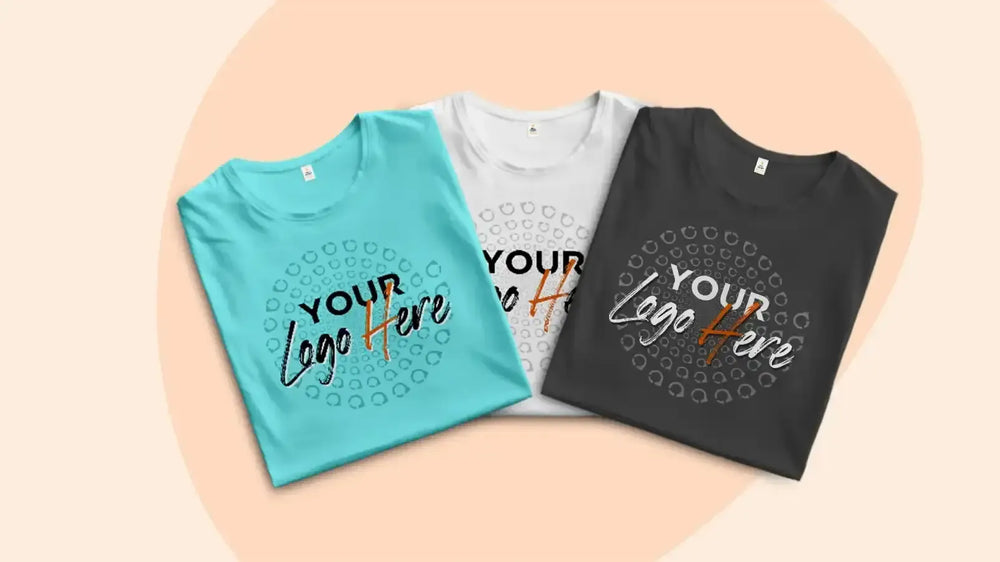
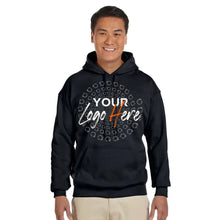
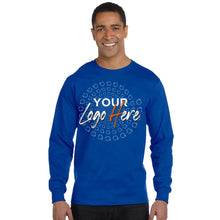
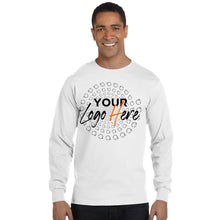
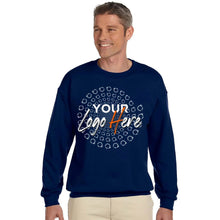
Order a single custom shirt or as many pieces as your business, team, event, or organization needs.
Bulk Order Discounts
Save more as your quantity increases with volume pricing designed for larger custom apparel orders.
Same-Day Printing
Need it fast? Eligible orders can be printed the same day when product, artwork, and production requirements qualify.
No Setup Fees
Keep your costs straightforward with no setup fees on qualifying custom printing orders.
Multiple Printing Methods
Choose from screen printing, DTG, DTF, vinyl, and heat transfer to find the right option for your design.
Free Art Repair & Review
Need help getting your design print-ready? Our team can review your artwork and assist before production begins.
Get Inspired for Your Malden Order
1 / of4
Malden, MA Custom Printing: See Why Customers Choose Custom One
Store was nice and service was good. The guy there was nice and very helpful
Enjustice Spoonemore
✅ Verified Review
AMAZING customer service! INCREDIBLY fast shipping. AWESOME product. These guys are the best. Seriously, I wasn't sure what I was going to get from a no-minimum t-shirt company, but my expectations were wildly exceeded.
M M
✅ Verified Review
The product was exceptional
Karriem Allah
✅ Verified Review
The turn around time on my order was fantastic! I am impressed with the quality of the printing and the product I ordered. Response to a question I had was very timely. I will order again. Great job!
Lois Bauer
✅ Verified Review
1 / of4
How to Choose the Best Custom Printing Service for Your Malden, MA Order
Screen Printing
Cost-effective, durable printing for larger quantities, bold designs, businesses, teams, and events.
Can I use Custom One as a fulfillment partner for my Shopify clothing store?
If you operate a Shopify store, contact Custom One to discuss how your merchandise orders could be submitted for production and fulfillment. Depending on available services, orders may require manual submission or another agreed workflow. Do not assume that automatic Shopify integration or real-time order synchronization is available without confirmation. Our team can review your requirements and explain the options for your business.
What does GOTS certification mean for organic cotton clothing?
The Global Organic Textile Standard (GOTS) establishes requirements for certified organic textile products, including environmental and social criteria throughout specified stages of textile processing. A garment containing organic cotton is not automatically GOTS-certified. If your organization requires GOTS-certified apparel, request documentation for the specific product and verify whether any subsequent printing or decoration affects the certification claim.
Why do printed colors look different on black and white T-shirts?
Garment background affects how artwork appears. Dark shirts may need a white underbase, while light shirts may allow direct ink application. Fabric texture, ink coverage, and technique can make the same artwork look slightly different.
Can I print awareness campaign messages on custom T-shirts?
Yes! Shirts can feature awareness messages, slogans, original graphics, and organization logos for health, environmental, community, and charitable campaigns. Readable type and appropriate colors help communicate the message.
Custom T-Shirt Printing in Malden, Massachusetts
A custom shirt is a limited piece of visual space, which makes every design decision compete for attention. A business logo may need immediate recognition, a team shirt may need room for individual names and numbers, an event design can require a title and date, and a photo shirt may need enough open space for the image to remain meaningful. Custom One Online serves Malden, Massachusetts customers creating custom apparel for businesses, teams, organizations, families, events, personal projects, and merchandise.
Instead of treating the shirt as an empty area that should be filled, it can be approached as a visual map. Some information belongs in the most noticeable positions, some works as supporting detail, and some can be omitted entirely. The goal is not to make every element large or prominent. It is to give each piece of information an appropriate role so the finished garment remains understandable when someone actually wears it.
Map the Order in Which People Should Notice the Design
Before choosing how many elements to include, decide which one should receive attention first. For a Malden business, that may be the company identity. A team can lead with its shared name or graphic. A family project might emphasize a surname, occasion, or central illustration, while an event can place its primary identity ahead of secondary information.
The next visual layer can provide context. A date, short phrase, department, role, year, or supporting graphic can add information without competing with the main element.
Smaller details can occupy a third layer when they are meant for people who look more closely. The shirt can therefore communicate progressively instead of presenting every word and graphic with equal emphasis.
Customers beginning with their own artwork can explore create-your-own apparel while considering how the eye should move through the finished design.
Divide Information Between the Front and Back When One Area Becomes Crowded
A design does not always need to solve every communication problem on one side of the garment. When several types of information are necessary, the front and back can perform different jobs.
Use the Front for Recognition
The front can establish the primary identity with a logo, team mark, family graphic, event artwork, illustration, or short message. Keeping this area focused can help the design remain recognizable without requiring someone to study it.
Use the Back for Expansion
The back can provide additional room for information that benefits from a separate visual area. Teams may use it for names and numbers. An organization might place supporting wording there. An event project can use the back for another piece of artwork or information that would otherwise compete with the main front design.
Using multiple areas does not mean every available location should be printed. Each placement should have a job. If moving information to another area does not improve clarity or meaning, keeping the garment simpler can be more effective.
Match the Production Approach to the Type of Visual Information
The visual structure of a design can help guide the printing direction. A repeated group mark, detailed digital illustration, and individualized lettering do not necessarily have the same production needs.
Repeated Visual Identity
Suitable artwork that needs to repeat across multiple garments can lead customers toward screen printing. Businesses, teams, clubs, organizations, fundraisers, family groups, and events can use a shared graphic to connect a broader apparel order.
Artwork With Digital Detail
Suitable illustrations and detailed digital graphics can be considered for direct-to-garment printing. Another option for suitable logos, illustrations, merchandise artwork, and event designs is direct-to-film printing.
The useful question is not which method sounds most advanced. It is which approach fits the artwork, garment, quantity, and intended result. Production should support the visual hierarchy rather than forcing the design to become something it was never intended to be.
Consider How the Communication Surface Changes With the Garment
Artwork is often developed as a flat design, but the final surface is clothing. The shape of that clothing affects how the visual concept is experienced.
A standard T-shirt can provide a familiar foundation for business apparel, teams, events, family projects, and merchandise. A long-sleeve shirt changes the overall silhouette. A hoodie introduces another type of apparel surface, while a tank changes the visual proportions around the design.
Warm-weather, fitness, casual, and merchandise projects can explore custom tank tops. Groups with younger participants can incorporate custom kids' shirts.
A mixed garment collection can still feel connected when the central graphic, typography, or other recognizable design elements remain consistent. The artwork does not have to occupy exactly the same visual proportions on every garment for the pieces to belong to the same project.
Reserve Fine Detail for Designs That Benefit From a Closer Look
Some apparel needs to communicate immediately, while other designs are meant to reward closer viewing. Personal illustrations, creative graphics, subtle wording, and photographs can contain details that do not need to be understood from across a room.
This can be especially useful for one-off apparel. A personalized birthday design, hobby graphic, gift, announcement, inside joke, or creative experiment can be intended for one wearer and the people interacting with them directly.
A personal project can use references or visual details that would be too specific for general group apparel. It does not need to become more generic simply to appeal to people outside its intended audience.
Give a Photograph Enough Visual Space to Remain the Story
A photo shirt has an obvious focal point when the image is the reason for creating the garment. A graduation portrait, family picture, friendship photo, pet image, travel memory, memorial photograph, or another meaningful image should not have to compete with unnecessary visual clutter.
Customers can use a custom photo T-shirt to combine a selected image with supporting details such as a name, date, year, caption, or short message.
The source photograph influences the entire composition. An image with open background space can interact with wording differently from a tightly cropped portrait. Horizontal and vertical photographs create different shapes, while the location of the main subject affects where supporting information can comfortably appear.
When the image carries the emotional meaning, allow it to dominate. Supporting wording can explain the context without turning the photograph into just one small element among many competing graphics.
Build Merchandise Around a Visual Language That Can Travel
Merchandise may be seen far from the place or situation in which it was created. A person wearing an artist's shirt, organization graphic, club design, or independent brand may encounter viewers who know nothing about the original context.
That makes recognizable visual language useful. An illustrator can develop a consistent artistic character. A brand can repeat typography or graphic ideas. An organization can create apparel that remains connected to its identity without requiring the wearer to explain the design every time.
A merchandise concept can begin with one strong graphic and a focused garment range. Additional products can be introduced when they extend the same visual world rather than simply increasing the number of available items.
Merchandise does not need to explain itself literally. Abstract artwork, illustrations, typography, and expressive graphics can all work. The important consideration is whether the finished piece still looks intentional after it leaves the creator's immediate environment.
Restore Legibility When the Original Artwork Is the Problem
Sometimes the information hierarchy is clear but the source file cannot represent it well. A business may have an older logo file. A family graphic may come from a problematic source. An illustration might need preparation before important details can be used effectively on apparel.
Artwork preparation can protect the elements that make the graphic recognizable. If lettering becomes unclear or defining visual details are lost, the design may stop communicating what the customer intended.
Content accuracy deserves equal attention. Review business names, organization wording, personal names, dates, years, slogans, event titles, and captions before repeating the design across additional apparel.
Edit the Message More Aggressively When the Timeline Is Short
A short timeline can make visual editing especially useful. Birthdays, graduations, reunions, competitions, fundraisers, trips, business activities, promotional programs, and organization events may create projects where the essential message deserves more attention than optional decoration.
Under a compressed schedule, identify the element that must survive every edit. It might be a company identity, event title, team graphic, photograph, date, or personalized name. Keep that element clear, then decide which supporting information is truly necessary.
The practical required date may occur before the event itself if the apparel is needed for preparation, travel, organization, or another earlier activity. That timing can influence how much optional variation belongs in the project.