






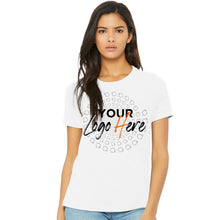


Custom T-Shirt Printing in Dunwoody, Georgia – Screen Printing, DTF, DTG, and Personalized Apparel
Dunwoody is a city in DeKalb County on the northern side of metro Atlanta, incorporated in 2008 but shaped by a much longer community history. The area combines residential neighborhoods, major employment centers, shopping and hospitality around Perimeter Center, schools, parks, community organizations, and historic sites such as the Donaldson-Bannister Farm. Its location near major transportation corridors also means apparel created for a Dunwoody organization may be seen by employees, customers, families, students, visitors, and participants arriving from across metropolitan Atlanta.
That mix suggests a useful approach to custom apparel: design for interruptions. A shirt is rarely viewed under perfect conditions. A jacket may cover the bottom of a graphic. Long hair can hide upper-back lettering. A conference badge may overlap a chest print. Someone carrying a bag can obscure part of a design. A group photograph may show only the upper half of each shirt. Rather than assuming every viewer will see the complete composition at once, consider whether the most important information remains understandable when part of the garment is temporarily hidden.
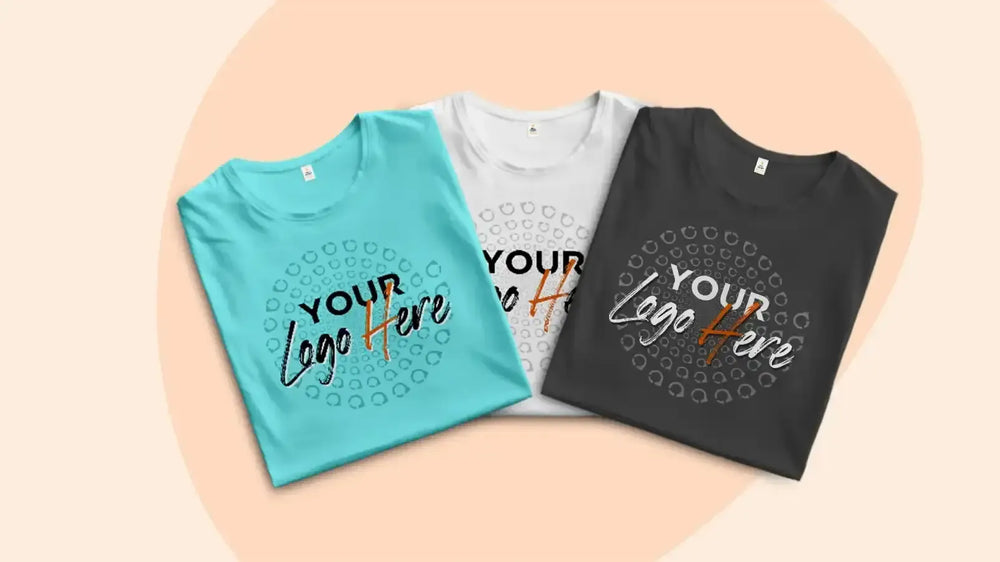
Custom One provides online custom t-shirt printing for customers and projects in Dunwoody, Georgia. Eligible orders can range from one custom T-shirt with no minimum to business apparel, family shirts, student projects, volunteer clothing, event garments, creator merchandise, and larger bulk orders using original, licensed, or appropriately authorized artwork.
Test What Happens When Part of the Design Disappears
Imagine a Dunwoody conference shirt with an organization identity at the top, an event illustration in the center, and the year beneath it. If the shirt is partially covered by a jacket, does the remaining visible area still identify the organization? If a name badge covers the upper chest, is essential information duplicated somewhere appropriate, or does the garment become impossible to understand?
This does not mean every piece of information should be repeated. Instead, it encourages designers to think about realistic obstruction. A long back graphic may be beautiful when laid flat but function differently when the wearer has a backpack. Sleeve decoration may disappear beneath an outer layer. Very low front printing can become less visible when someone sits behind a table.
Designing for interruption means anticipating how clothing is actually worn rather than evaluating the artwork only as a flat digital rectangle.
Dunwoody's Community History Predates Its 2008 Incorporation
Although Dunwoody became an incorporated city in 2008, the community's history reaches much further back. The area developed through farms, crossroads, churches, schools, transportation routes, residential growth, and later commercial development associated with metropolitan Atlanta.
Historical subjects can inspire original apparel without requiring reproduction of an existing heritage graphic. A local organization might commission an independent illustration of a historic structure. A family could work with an authorized photograph connected with its own history. Students might create original educational artwork based on legitimate research.
Historic photographs, published maps, archival documents, professional architectural photography, organization marks, museum graphics, and another artist's interpretation of a historical site can have separate reproduction conditions. Historical relevance does not automatically establish merchandise rights.
Perimeter Center Creates a Strong Business-Apparel Use Case
Dunwoody includes a substantial portion of the Perimeter Center area, one of metro Atlanta's major commercial and employment districts. Offices, retail, hotels, restaurants, healthcare-related services, professional firms, technology companies, and other employers bring large numbers of workers and visitors into the area.
Custom apparel may be useful for corporate events, employee programs, conferences, restaurant teams, hospitality staff, promotional campaigns, volunteer days, product launches, and customer merchandise. In these environments, garments may be worn with badges, jackets, lanyards, bags, or uniforms that cover portions of a design.
An approved company identity can therefore be positioned with actual use in mind. Suitable repeatable business graphics may be considered for screen printing. Organizations preparing larger quantities can explore bulk custom T-shirt printing.
Standard decorated apparel should not automatically be considered high-visibility clothing, flame-resistant workwear, medical protective equipment, food-safety clothing, chemical-resistant garments, or another specialized occupational product. Employers requiring technical properties should verify the specifications of the underlying garment.
Select a Printing Process around the Actual Project
- Screen Printing
- Suitable repeatable company identities, event graphics, family artwork, organization designs, and merchandise may be considered for custom screen printing, depending on quantity, garment, artwork, and production requirements.
- Direct-to-Garment Printing
- Suitable authorized photographs and selected image-rich artwork may be candidates for DTG printing, depending on image and garment characteristics.
- Direct-to-Film Printing
- Suitable detailed digital illustrations and multicolor graphics may be considered for DTF printing.
- Heat Transfer and Vinyl
- Suitable names, numbers, roles, departments, and selected lettering may use heat transfer or vinyl printing or another appropriate personalization process.
Quantity, garment construction, fabric, artwork characteristics, personalization, intended use, and production requirements should be evaluated together. The local subject of the design does not determine the printing method by itself.
Donaldson-Bannister Farm Reflects an Earlier Dunwoody Landscape
The Donaldson-Bannister Farm provides a visible connection with Dunwoody's agricultural past. The property preserves a nineteenth-century farmhouse and surrounding grounds, offering a contrast with the offices, shopping centers, residential subdivisions, and transportation infrastructure that characterize much of the modern city.
A historical or educational group can respond to that agricultural history through original artwork based on legitimate research. An illustrator might develop an independent farmhouse composition, agricultural tool study, or non-branded botanical design. A photographer can use creator-owned imagery when photography and subsequent use are permitted.
Official historic-site graphics, professional photography, published architectural drawings, event identities, archival images, and another artist's depiction of the property should not automatically be treated as production assets.
Retail and Hospitality Shirts Need to Work while Employees Are Moving
Perimeter Mall and the surrounding commercial district contribute to Dunwoody's retail and hospitality activity. Restaurants, stores, hotels, service providers, event teams, and promotional organizations may use custom apparel in customer-facing environments.
A front graphic that looks excellent on an empty shirt may be partly covered by an apron. A hotel employee may wear a jacket over the garment. Event staff might add credentials or radios. Restaurant employees may need role identification that remains visible during ordinary work.
These conditions can influence placement before production. The design can still be visually interesting, but its practical purpose should survive the way the garment will actually be worn.
Family Shirts Should Still Work in Group Photographs
Dunwoody families may create apparel for reunions, birthdays, weddings, anniversaries, graduations, retirement celebrations, memorial gatherings, vacations, and other occasions. Group photographs are often part of these events, yet photographs rarely show every shirt perfectly.
People stand at different heights. Children may be held in front of adults. Arms overlap. Tables hide lower portions of garments. Jackets may remain on. A family design intended partly for photographs can account for those conditions by keeping essential visual material within useful areas.
Suitable photographic projects can explore a custom photo T-shirt. Families ordering across age groups can also browse custom kids' shirts.
Professional wedding photography, school portraits, studio photographs, newspaper images, and other third-party material should only be reproduced with appropriate permission. Owning a physical photograph or appearing in it does not necessarily establish merchandise reproduction rights.
Parks Offer Original Subjects without Requiring Official Park Branding
Dunwoody's park system includes spaces used for walking, playground activities, sports, community programs, nature observation, and other recreation. Brook Run Park is among the city's prominent recreational areas and includes trails and multiple activity spaces.
A running group can create an independent identity around its participants or activity. An environmental program might develop original botanical or wildlife artwork based on legitimate research. Volunteers can use project-specific graphics for cleanup or stewardship activities, while photographers can work with creator-owned images made where access and photography are permitted.
City seals, parks department identities, official maps, event marks, professional photographs, facility logos, and another creator's park imagery may require authorization.
Student Apparel Has to Function beyond a Perfect Classroom Mockup
Dunwoody-area students may create apparel for robotics, science projects, academic competitions, performing arts, publications, service organizations, environmental programs, graduation groups, student leadership, and independent clubs.
A robotics team may wear shirts beneath jackets while transporting equipment. Theatre participants might use apparel backstage. Volunteers could wear lanyards over a front graphic. Student photographers, filmmakers, musicians, writers, and visual artists may create merchandise around work they control.
School and university names, logos, seals, mascots, athletic identities, departmental marks, and related branding may be protected and can require authorization. Independent student merchandise should not falsely imply official licensing, sponsorship, endorsement, or institutional approval.
Volunteer Identification Should Survive Real Working Conditions
Churches, charities, food programs, neighborhood organizations, cultural groups, health initiatives, youth programs, environmental projects, and volunteer teams may need apparel for outreach, fundraising, distribution, cleanup activities, education, gatherings, and recurring services.
If identifying volunteers is important, consider whether a vest, apron, jacket, bag strap, or event credential could hide the label. If sponsor recognition matters, determine whether sponsor graphics remain appropriately visible without competing with the organizer's identity.
Organizations planning specialized quantities, garment combinations, or production requirements can request a custom apparel quote.
Working with the City of Dunwoody, DeKalb County, State of Georgia, a school, government agency, healthcare provider, nonprofit, emergency service, cultural organization, or business does not automatically authorize reproduction of that partner's seals, badges, logos, uniforms, or protected marks.
Dunwoody Is Part of a Landscape with Much Older Indigenous History
The modern city of Dunwoody occupies land within a broader northern Georgia landscape with deep Indigenous history. Muscogee-speaking peoples had extensive connections across the greater Atlanta region, while Cherokee communities and territories were also central to the history of north Georgia before nineteenth-century dispossession and forced removal transformed the region.
Those histories should not be collapsed into generic “Georgia Native” imagery. Muscogee or Cherokee identities, Tribal seals, community-specific symbols, traditional designs, cultural imagery, language, historical cultural resources, and work by identifiable Indigenous artists should not be treated as unrestricted regional decoration.
Public visibility, museum display, historical publication, archival access, educational use, or online circulation does not establish cultural authorization or merchandise reproduction rights.
Projects without appropriate authority can use original non-cultural architectural, botanical, residential, business, recreational, transportation, family, or everyday-life subjects, creator-owned photography, approved organization artwork, or commissioned graphics with suitable usage rights.
Creators Can Test Artwork on a Moving Person, Not Just a Flat Template
Dunwoody photographers, illustrators, musicians, filmmakers, designers, writers, performers, makers, and independent brands can develop merchandise from work they control. Before finalizing a design, it can be useful to imagine the artwork bending at the torso, disappearing beneath an open jacket, or being partly hidden when the wearer turns.
A photographer may choose a crop that keeps the primary subject away from likely obstruction. An illustrator can place important details where garment folds are less disruptive. Musicians can keep artist identification distinct from supporting release information.
Creators testing suitable artwork can explore create-your-own apparel. Projects with established demand can consider wholesale screen printed T-shirts when appropriate.
Murals, professional photographs, characters, album artwork, commercial illustrations, Muscogee or Cherokee cultural material, venue identities, event graphics, and other publicly visible creative works can still have identifiable rights holders. Public visibility does not provide merchandise reproduction rights.
Numbers and Roles Should Remain Usable while Participants Are Active
Dunwoody residents participate in running, walking, cycling, field sports, fitness activities, youth recreation, and other organized or informal pursuits. Independent groups may need apparel for participants, coaches, volunteers, tournaments, gatherings, or fundraising.
Participant numbers and role labels should be positioned with actual use in mind. Long hair, hydration packs, jackets, equipment, or other gear may cover portions of a garment. An elaborate illustration should not make the information needed for identification unnecessarily difficult to locate.
Suitable projects requiring individualized participant information can explore team T-shirts with numbers.
Professional, collegiate, school, league, tournament, facility, event, and equipment-company marks may require authorization. Participation in or enthusiasm for an activity does not automatically provide merchandise rights to another organization's identity.
Personalized Information Should Not Depend on One Fragile Placement
Businesses, families, recreational groups, student organizations, volunteer programs, performers, and community projects may share central artwork while individual garments contain different names, numbers, departments, titles, or roles.
Suitable projects can explore custom names and numbers. Each person's preferred spelling, capitalization, number, department, role, garment selection, and size should remain associated with that individual during review.
Placement can matter as much as accuracy. If a role must be visible during an event, putting it where a credential or jacket routinely covers it may reduce its usefulness. Personalization intended primarily as a keepsake can follow different priorities.
Organizations should avoid titles that falsely imply professional credentials, medical authority, government authority, law-enforcement status, emergency-service status, military status, Tribal authority, cultural authority, or another position the wearer does not hold. Identifying information should also be considered carefully on children's apparel.
Choose Photo Crops That Can Tolerate Garment Movement
A family portrait, creator photograph, memorial image, business picture, or historical photograph may contain several important details. If faces sit close to the edge of the image, aggressive cropping or garment movement can affect the composition more than expected.
Locate the strongest legitimate source from the original camera, phone, computer, cloud library, negative or print scan, external storage, photographer delivery, family archive, or another authorized source whenever possible. Examine faces, buildings, artwork, products, landscapes, lettering, highlights, and shadows near the intended reproduction size.
Increasing the dimensions of a heavily compressed screenshot cannot recreate information already discarded. A stronger legitimate original generally provides a better starting point.
Technical image quality and reproduction permission remain separate considerations. Professional portraits, event photography, news photographs, school images, historical collections, and archival material should only be reproduced with appropriate authorization.
Production Files Should Explain Which Details Must Stay Visible
A Dunwoody project folder may contain approved business logos, family photographs, participant spreadsheets, sponsor graphics, school references, government material, historical images, Indigenous cultural research, sketches, mockups, and final artwork.
Keep approved production assets distinguishable from research, inspiration, personalization data, and files awaiting permission. Notes can identify which information has practical visibility requirements, such as an employee role, participant number, sponsor mark, or event identifier.
Check designer folders, organization archives, cloud storage, external drives, email attachments, original photography, and previous authorized production packages when locating stronger source files. Eligible projects can explore design review and repair or an art repair and file recovery service.
Technical cleanup, tracing, rebuilding, redrawing, cropping, or format conversion does not create copyright, trademark, publicity, cultural, government, educational, licensing, or other reproduction rights. Authorization remains a separate requirement.
Different Garments Create Different Kinds of Interruption
A standard T-shirt provides a different printable surface from a V-neck, tank top, long-sleeve shirt, youth garment, or hoodie. A hood can affect how an upper-back design is seen. A front pocket can influence hoodie placement. A V-neck changes the available area near the collar.
Customers can browse standard shirts alongside custom V-neck T-shirts, custom tank tops, custom long-sleeve shirts, custom kids' shirts, and custom hoodies with no minimum.
Necklines, seams, printable dimensions, fabric composition, pockets, hoods, and available decoration areas can vary. Layouts should be adapted to the actual garment instead of assuming every product behaves like a flat standard T-shirt.
Allow for the Part of the Schedule You Cannot See on the Design Mockup
Corporate events, conferences, family gatherings, graduations, volunteer activities, school programs, recreational events, performances, fundraisers, and merchandise releases can have fixed dates. The design may appear complete on screen while production and carrier transit still remain.
Qualifying projects can explore same-day shipping custom apparel. Same-day shipping means an eligible order is dispatched within the applicable timeframe. It does not mean guaranteed same-day delivery to Dunwoody, Georgia.
Artwork readiness, personalization, cutoff times, garment availability, production eligibility, destination, carrier schedules, weather, and transit conditions can affect arrival. Customers preparing apparel for a fixed date should review same-day shipping information and allow appropriate carrier transit time after dispatch.
Create Dunwoody Apparel for the Way Clothing Is Actually Seen
Dunwoody offers many possible subjects and uses for custom apparel: Perimeter Center businesses, residential communities, historic properties, parks, schools, families, hospitality, recreation, volunteer organizations, creators, and the wider metro Atlanta environment. The area's deeper history also belongs within a broader northern Georgia landscape shaped by Indigenous peoples long before the modern city was incorporated.
A business can consider how a lanyard, apron, or jacket affects its employee graphic. A family can design with group photographs in mind. Students and volunteers can keep role identification useful when shirts are partly covered by equipment or outerwear. Recreational groups can position participant information for actual activity, while photographers, illustrators, musicians, filmmakers, writers, performers, and makers can consider how movement changes the way their artwork appears.
Custom t-shirt printing in Dunwoody, Georgia can support businesses, families, students, schools, churches, nonprofits, volunteers, recreational organizations, conference groups, performers, artists, photographers, musicians, makers, and independent brands. Eligible projects can range from one personalized garment to bulk custom apparel involving multiple products, sizes, names, numbers, departments, and roles.
Custom One provides online options for screen printing, DTG, DTF, heat transfer vinyl, photo shirts, custom names and numbers, no-minimum apparel, and bulk printing. Original or appropriately authorized artwork, realistic obstruction testing, accurate personalization, respectful treatment of Indigenous cultural material, careful handling of business, school, government, sports, historical, and third-party marks, organized production files, garment-aware layouts, and realistic shipping expectations can help create Dunwoody apparel that continues to communicate even when real life prevents the entire shirt from being perfectly visible.