








Custom T-Shirt Printing in Monroe, Louisiana – Screen Printing, DTF, DTG, and Personalized Apparel
Monroe grew along the Ouachita River, a waterway that connected settlement, agriculture, trade, transportation, and industry across northeastern Louisiana. The community developed around an eighteenth-century post known as Fort Miro before taking the name Monroe in 1819. During the twentieth century, the city added another transportation chapter when an agricultural aviation operation based in Monroe evolved into Delta Air Service. Today, Monroe serves as an educational, healthcare, commercial, cultural, and employment center for communities across northeast Louisiana.
For custom apparel, Monroe suggests a useful planning idea: build around coordinates rather than a single symbol. Coordinates do not have to mean latitude and longitude. They can be the few independent pieces of information that locate a project precisely: who it belongs to, why it exists, when it applies, and which version a wearer needs. When those coordinates are clear, a shirt does not need to rely on a borrowed landmark, university logo, airline mark, government seal, or generic Louisiana graphic to establish identity.
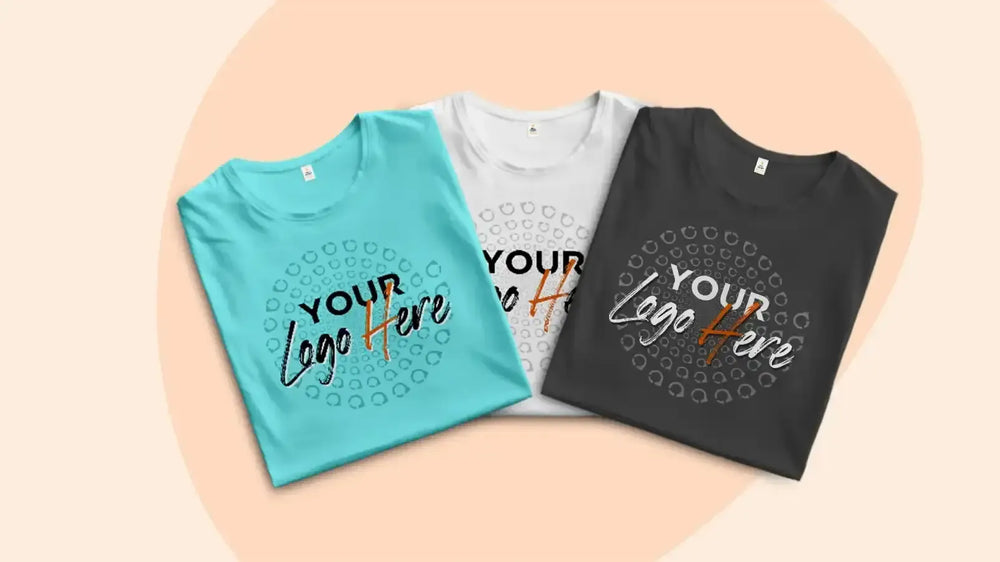
Custom One provides online custom t-shirt printing for customers and projects in Monroe, Louisiana. Eligible orders can range from one custom T-shirt with no minimum to employee apparel, family shirts, recreational clothing, volunteer garments, creator merchandise, event apparel, and larger bulk custom T-shirt orders using original, licensed, or appropriately authorized artwork.
Give the Project Enough Coordinates to Identify It Precisely
A shirt can look locally relevant without communicating anything specific about the people wearing it. A Louisiana outline, fleur-de-lis, river graphic, or cypress silhouette may establish a broad setting, but none automatically identifies a Monroe business, family, volunteer project, independent team, or artist.
Project-specific coordinates are usually more useful. A legitimate company has its own approved identity. A reunion has a family name and occasion. A recreational group has participants. An artist has original work. A volunteer program has a mission. A neighborhood project has people and a purpose.
Those details can make the design unmistakably connected with its actual group rather than simply recognizable as “Louisiana themed.”
The Ouachita River Is Monroe's Strongest Geographic Coordinate
Monroe occupies the east bank of the Ouachita River, opposite West Monroe. The river belongs to a much larger watershed extending through Arkansas and Louisiana before eventually contributing to the Red River system.
Water transportation helped shape settlement and commerce in the region. The river later supported agricultural and industrial development while continuing to define the physical relationship between Monroe and West Monroe.
Original river-inspired apparel can use independently drawn bends, abstract currents, creator-owned waterfront photography, bridge geometry, floodplain vegetation, or simple lines representing the relationship between the two sides of the Ouachita.
Government maps, professional photographs, tourism graphics, existing illustrations, organizational logos, and another creator's interpretation of the river remain separate assets. A public geographic feature does not make every existing depiction of it available for independent merchandise.
The Ouachita Valley Has Indigenous History Far Older than Fort Miro
Monroe's history did not begin with European-American settlement. The Ouachita Valley has a deep Indigenous past extending many centuries before the eighteenth-century trading post. Historical accounts identify an Ouachita people associated with the region, while the wider northeast Louisiana landscape has connections with Caddoan peoples and other Native communities across different periods.
Later colonial expansion, disease, conflict, migration, trade, treaties, and United States expansion profoundly changed Indigenous communities throughout Louisiana and the lower Mississippi Valley. The region should therefore not be presented as an empty landscape that became meaningful only after Fort Miro was established.
Modern Louisiana is also home to distinct living Tribal nations and Indigenous communities. Historical relationships should not be flattened into a generic “Louisiana Native” identity or used to imply that every Tribal nation has the same connection with Monroe.
Tribal seals, Native languages, community-specific symbols, traditional designs, ceremonial imagery, cultural objects, archaeological materials, historical cultural resources, and works by identifiable Indigenous artists may require authorization and appropriate context. Public display, museum publication, historical documentation, or online availability does not automatically establish merchandise rights.
Match Production to the Actual Coordinates of the Order
Artwork style, garment fabric, quantity, personalization, placement, and desired appearance all help determine the appropriate printing approach. Two Monroe projects of the same quantity can still have very different production requirements.
Screen Printing
Suitable repeatable business graphics, family designs, organization identities, event artwork, and merchandise may be considered for screen printing, depending on artwork, garments, quantity, and production requirements.
Direct-to-Film Printing
Suitable detailed digital illustrations and multicolor graphics may be considered for DTF printing.
Direct-to-Garment Printing
Suitable authorized photographs and selected image-rich artwork may be candidates for DTG printing, depending on image and garment characteristics.
Heat Transfer and Vinyl
Suitable participant names, numbers, departments, employee roles, and selected lettering may use heat transfer or vinyl printing or another appropriate personalization process.
Quantity alone does not determine the process. Fabric composition, image detail, printable dimensions, placement, garment construction, and individualized information can also affect production.
Fort Miro Became an Early Coordinate for the Modern City
During the period when Louisiana was under Spanish administration, Jean Baptiste Filhiol was sent to establish and organize a settlement in the Ouachita Valley. He reached the region in the 1780s and settled at Prairie des Canots in what is now Monroe. A post developed there and became known as Fort Miro.
Settlers and merchants were attracted to the post, and a town gradually developed. Following the Louisiana Purchase in 1803, the region passed under United States authority. Ouachita Parish was established in 1807 with Fort Miro serving as the parish seat.
Historical apparel can use independently researched dates, original river-post illustrations, creator-owned landscape photography, period-influenced typography, or abstract trading-route graphics. Existing museum illustrations, historical maps, archival photographs, government graphics, and another creator's reconstruction of Fort Miro should be treated separately.
Fort Miro Became Monroe in 1819
The community received the name Monroe in 1819. Local tradition connects the change with the arrival of the steamboat James Monroe, named for the fifth president of the United States. The name reflected a period when steamboat transportation was becoming increasingly important to inland communities.
That transition offers several subjects for original historical design: the Fort Miro and Monroe names, the documented year 1819, river transportation, independent steamboat silhouettes, or typography that contrasts two periods in the city's development.
Historical facts can inspire new work without requiring direct reproduction of an archival newspaper, historical marker, museum display, or another artist's steamboat illustration.
Monroe Holds an Important Place in American Commercial Aviation History
In 1925, Huff Daland Dusters began operating from Monroe Aviation Field. The company used aircraft for agricultural crop dusting, an important service in a cotton-producing region. Monroe investors later purchased the operation's assets, and Delta Air Service was incorporated in 1928.
Delta's first scheduled passenger flight took place on June 17, 1929, traveling from Dallas to Jackson, Mississippi, with scheduled stops in Shreveport and Monroe. The airline remained headquartered in Monroe during its early development before later relocating its headquarters.
This history makes aviation a legitimate Monroe subject, but historical association is different from trademark permission. Independent apparel can use original crop-dusting illustrations, generic period-aircraft forms, creator-owned aviation photography, agricultural geometry, or documented historical dates.
Delta names and marks, airline liveries, company logos, museum identities, aircraft-manufacturer trademarks, professional photographs, and other protected branding should not be treated as free Monroe-themed artwork.
Selman Field Added a Military Aviation Chapter
During World War II, Selman Field in Monroe became an Army Air Forces navigation training center. The installation trained navigators during the war, connecting Monroe with a much larger national military aviation effort.
Independent historical projects can commemorate documented local aviation history without presenting themselves as official military merchandise. Original aircraft silhouettes, navigation-inspired geometry, period dates, or family histories of military service can provide meaningful subjects.
Official military seals, unit insignia, badges, emblems, government marks, museum logos, archival military photography, and protected organizational identities may require authorization. Historical interest or family military service does not automatically provide permission to reproduce official marks.
Black History Is Essential to Monroe's Cultural Landscape
Agriculture, labor, education, business, religion, music, civic leadership, art, and the long struggle for civil rights all form part of African American history in Monroe and northeast Louisiana.
The Northeast Louisiana Delta African-American Heritage Museum was established in 1994 to preserve and present African American history, visual art, documents, cultural artifacts, and community experiences from the Delta region. Its work includes attention to local civil-rights history as well as contemporary Black artists and cultural life.
Independent apparel inspired by Black history should use original or properly authorized source material. Museum collections, exhibition graphics, historic photographs, civil-rights organization marks, newspaper images, artworks, and identifiable artists' work are not automatically available for merchandise reproduction simply because the subject has educational importance.
Higher Education Adds Another Monroe Identity
The University of Louisiana at Monroe traces its institutional history to 1931, when Ouachita Parish Junior College opened in Brown Hall. The institution subsequently operated under Louisiana State University, expanded into a senior college, and evolved through additional institutional names before becoming the University of Louisiana at Monroe.
Students, families, alumni, employees, visitors, and nearby businesses may have genuine connections with the university. Those relationships do not automatically grant merchandise rights to ULM names, logos, seals, athletics marks, mascots, or other protected branding.
Independent graduation groups, student organizations, family gatherings, or local businesses can create original identities that communicate their own connection without presenting the apparel as officially licensed university merchandise.
Business Shirts Need Coordinates Specific to the Business
Modern Monroe supports healthcare, education, manufacturing, construction, logistics, restaurants, retail, financial services, professional firms, home services, creative businesses, hospitality, aviation-related activity, and other employers.
A legitimate company can begin with its current approved identity. Suitable repeatable business artwork may be considered for custom screen printing, while organizations preparing larger eligible quantities can explore wholesale screen printing.
A department, employee role, location, or short service message can make the shirt more specific when needed. A generic Louisiana graphic should not replace information that actually distinguishes the business.
Standard decorated apparel should not automatically be considered high-visibility clothing, flame-resistant workwear, electrical PPE, chemical-resistant garments, aviation safety apparel, medical PPE, or another specialized occupational product. Employers with technical requirements should verify the specifications of the underlying garment.
Family Projects Already Contain Their Own Coordinates
Monroe families may create apparel for reunions, weddings, anniversaries, birthdays, graduations, memorials, retirement celebrations, vacations, homecomings, religious gatherings, and multigenerational events.
A surname, family branch, year, original emblem, meaningful location, documented family occupation, or authorized photograph can create a highly specific design without borrowing an unrelated city or entertainment identity.
Suitable photographic projects can explore a custom photo T-shirt. Families ordering across generations can also browse custom kids' shirts, custom V-neck T-shirts, and custom hoodies with no minimum.
Professional wedding photography, studio portraits, school photographs, graduation images, newspaper photography, and other third-party images should only be reproduced with appropriate permission.
Names and Numbers Can Locate Every Wearer within the Group
Monroe residents participate in football, basketball, baseball, softball, soccer, running, cycling, swimming, fitness programs, youth athletics, and other recreation. A common independent group design establishes shared identity, while personalization can identify each wearer.
Suitable projects can explore team T-shirts with numbers and custom names and numbers.
A structured roster can contain participant name, exact printed name, number, garment, size, and quantity. Keeping each person's information together reduces ambiguity during personalized production.
Professional, collegiate, school, league, tournament, race, facility, and event marks may require authorization. Participation, enrollment, attendance, employment, or fandom does not automatically provide merchandise rights to another organization's branding.
Community Apparel Should Identify the Actual Organization behind the Work
Churches, charities, arts groups, food programs, youth organizations, neighborhood initiatives, cultural organizations, environmental projects, health programs, and other Monroe community groups may use apparel for volunteers, fundraising, outreach, or events.
An original project identity can establish who is doing the work. Volunteer labels can identify roles. Approved sponsor marks can acknowledge legitimate support. Location wording can identify Monroe when geography matters.
Groups planning specialized quantities, mixed garments, or production requirements can request a custom apparel quote.
Working with the City of Monroe, Ouachita Parish, State of Louisiana, a Tribal nation, ULM, a school, museum, healthcare provider, government agency, emergency service, nonprofit, airline, or business does not automatically authorize reproduction of that organization's seals, logos, badges, cultural material, insignia, uniforms, or protected marks.
Monroe Creators Can Start with Subjects They Actually Control
Photographers, illustrators, musicians, filmmakers, designers, writers, performers, and makers have a broad local vocabulary available: the Ouachita River, bridges, wetlands, cypress forms, aviation history, agricultural landscapes, contemporary streets, historic architecture, industrial details, neighborhood scenes, parks, and Delta weather.
A photographer can build merchandise from creator-owned Monroe images. An illustrator can develop original river geometry. A designer can reinterpret early aviation through independent artwork. A musician can commission a visual identity with merchandise rights addressed from the beginning.
Creators testing suitable designs can explore create-your-own apparel or customizable T-shirts with no minimum.
Murals, paintings, song lyrics, professional photographs, Indigenous cultural material, airline branding, university marks, museum graphics, government identities, and works by other identifiable creators can still have rights holders or cultural restrictions even when publicly visible.
Put the Coordinates into the File Names Too
A complex Monroe order may contain original artwork, business logos, authorized photographs, historical research, Indigenous-history references, aviation materials, participant information, sponsor approvals, and multiple garment layouts.
Useful labels can include MONROE-ORIGINAL-ART, APPROVED-BUSINESS-LOGO, AUTHORIZED-PHOTO, CURRENT-ROSTER, OUACHITA-HISTORY-REFERENCE, INDIGENOUS-HISTORY-REFERENCE, AVIATION-REFERENCE, MILITARY-REFERENCE, UNIVERSITY-REFERENCE, SPONSOR-APPROVED, REFERENCE-ONLY, AUTHORIZATION-PENDING, and FINAL-PRODUCTION.
Eligible projects can explore design review and repair. Selected graphics may also benefit from an art repair and file recovery service.
Technical cleanup, tracing, rebuilding, cropping, redrawing, vectorization, background removal, or file conversion does not create copyright, trademark, publicity, cultural, Tribal, military, government, university, corporate, museum, aviation, sports, or other reproduction rights.
Keep the Project Identifiable when the Garment Changes
A Monroe order may include standard tees, youth products, V-necks, tanks, long sleeves, hoodies, and other apparel. The physical layout can change while the project's identifying coordinates remain consistent.
Customers can browse custom T-shirt printing, custom tank tops, custom long-sleeve shirts, custom kids' shirts, custom V-neck T-shirts, and custom hoodies with no minimum.
Necklines, seams, pockets, hoods, fabric composition, and printable dimensions can affect placement. The goal is not to force identical dimensions onto every product, but to keep the actual project recognizable across appropriate adaptations.
Add Time and Destination to the Project Coordinates
Employee programs, family reunions, recreational events, volunteer projects, graduations, performances, fundraisers, business promotions, and merchandise releases can have fixed dates. Delivery planning should identify both when the apparel is needed and where it must arrive.
Qualifying projects can explore same-day shipping custom apparel. Same-day shipping means an eligible order is dispatched within the applicable timeframe. It does not mean guaranteed same-day delivery to Monroe, Louisiana.
Artwork readiness, personalization, cutoff times, garment availability, order complexity, production eligibility, destination, carrier schedules, severe weather, and transit conditions can affect arrival. Customers working toward a fixed date should review same-day shipping information and allow appropriate carrier transit time after dispatch.
Create Monroe Apparel with Coordinates That Belong to the Project
Monroe has accumulated many recognizable reference points: the Ouachita River, Fort Miro, the 1819 name change, agriculture, early commercial aviation, Selman Field, higher education, Black history and culture, and the contemporary relationship between Monroe and the wider northeast Louisiana region. None of those subjects needs to become a compulsory symbol on every locally relevant shirt.
A more specific design can begin with the people who will actually wear it. Identify the legitimate organization, family, independent group, artist, business, or event. Establish its purpose. Add the date or edition when useful. Add names, numbers, roles, or departments when the wearer needs individual identification. Use Monroe geography or history when it genuinely contributes to the project rather than simply filling space.
Custom t-shirt printing in Monroe, Louisiana can support healthcare organizations, manufacturers, contractors, restaurants, retailers, professional services, aviation-related businesses, educational groups, families, churches, nonprofits, volunteers, recreational groups, photographers, artists, musicians, makers, historical projects, cultural organizations, and independent brands. Eligible orders can range from one personalized garment to bulk apparel involving multiple products, sizes, names, numbers, departments, sponsors, and participant roles.
Custom One provides online options for screen printing, DTG, DTF, heat transfer vinyl, photo shirts, custom names and numbers, no-minimum apparel, and bulk printing. Original or appropriately authorized artwork, accurate Monroe and Ouachita Valley context, respectful treatment of Indigenous histories and culturally specific material, responsible handling of Black cultural resources, military, aviation, university, government, museum, corporate, sports, and third-party assets, organized project information, garment-aware layouts, and realistic shipping expectations can help create Monroe apparel whose identity comes from precise project-specific coordinates rather than a collection of borrowed regional symbols.