








Custom T-Shirt Printing in Athens-Clarke County, Georgia – Screen Printing, DTF, DTG, and Personalized Apparel
Athens-Clarke County combines a university city, historic neighborhoods, the North Oconee River, longstanding arts and music traditions, businesses, manufacturing, recreation, and a consolidated local government within Georgia's smallest county by geographic area. Athens developed alongside the University of Georgia after university trustees selected land above the Oconee River in 1801. Clarke County was established that same year, Athens incorporated as a town in 1806, and voters approved consolidation of the city and county governments in 1990.
That combination of histories makes custom apparel particularly interesting here because a shirt often needs a clear scope. Is it about one person, one organization, one neighborhood, a campus-related independent group, the entire Athens music community, a particular event, or Athens-Clarke County generally? A design can become misleading when its visual scope is broader than the project it actually represents. Defining the perimeter of the subject before choosing graphics can keep an independent project from accidentally speaking for an institution, government, cultural community, or scene it does not represent.
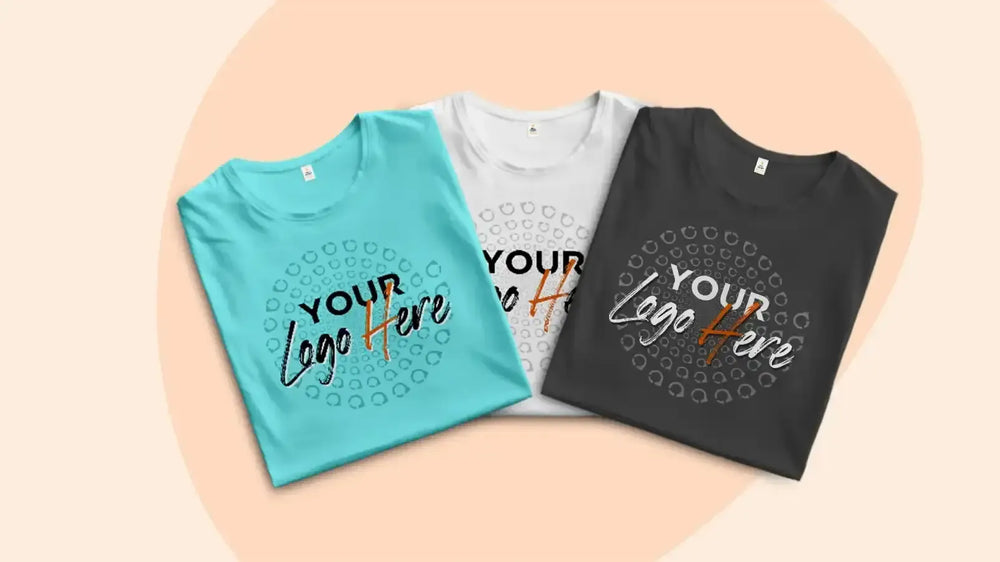
Custom One provides online custom t-shirt printing for customers and projects in Athens-Clarke County, Georgia. Eligible projects can range from a single custom T-shirt with no minimum to business apparel, student projects, family shirts, volunteer clothing, band merchandise, recreational garments, creator products, and larger bulk custom T-shirt orders using original, licensed, or appropriately authorized artwork.
Athens and the University of Georgia Developed Together
The University of Georgia was chartered by the Georgia General Assembly in 1785. In 1801, a committee selected a hill above Cedar Shoals and the Oconee River for the university's permanent site. John Milledge purchased 633 acres and donated the property to the university, naming the surrounding settlement Athens after the ancient Greek center of learning.
The first university class graduated in 1804, and the town of Athens was officially incorporated in 1806. University growth and city development remained closely connected, helping Athens emerge as a center of education, commerce, and culture.
That relationship creates abundant apparel opportunities for students, researchers, families, employees, visitors, and independent organizations, but it also creates an important scope question. A project connected socially or geographically with the university is not necessarily official university merchandise.
University names, logos, seals, athletic identities, mascots, departmental marks, official event graphics, and other protected branding may require authorization. Independent projects should not imply University of Georgia licensing, sponsorship, affiliation, or endorsement when none exists.
The Oconee River Helped Shape Early Athens Industry
The North Oconee River was central to the geography and development of early Athens. Waterpower contributed to the growth of mills and manufacturing, including the textile industry. During the nineteenth century, Athens and Clarke County developed substantial agricultural, cotton, and manufacturing activity, and rail service beginning in 1841 strengthened connections with other Southern markets.
A historical organization might create original artwork around waterpower, textile machinery, rail transportation, or another researched subject. Environmental groups could build independent watershed graphics. Photographers can use creator-owned river imagery made where access and photography are permitted.
Published historical maps, museum graphics, archival photographs, textile-company marks, railroad identities, professional photography, and another creator's illustrations may have separate reproduction conditions.
The Scope Test
Write one sentence beginning with: “This shirt represents…” Complete it without using artwork. If the answer is “our five-person research team,” the design does not need to visually represent the entire university. If the answer is “our neighborhood fundraiser,” it does not need to represent all of Athens-Clarke County. If the answer is “our band,” local music history can provide context without becoming the band's identity.
The sentence establishes who or what has authority to speak through the garment. It can also expose artwork that expands the claim beyond the actual project.
Athens Music Culture Offers Inspiration without Becoming a Free Graphics Library
Athens developed an internationally recognized music scene, particularly from the late 1970s onward. The B-52s, R.E.M., Widespread Panic, and many other performers became associated with the city, while clubs, independent musicians, promoters, record stores, artists, photographers, and audiences helped sustain a much broader creative ecosystem.
Today's independent musicians can continue that creative tradition by building merchandise around material they control: an original band logo, creator-owned photography, commissioned illustration, release artwork, tour information, or typography developed specifically for the project.
A shirt about one new Athens band does not need to borrow another band's visual identity to establish a local connection. Existing band names, logos, album covers, song lyrics, professional photographs, poster artwork, venue identities, and other protected creative material should only be reproduced when appropriately authorized.
Eligible creators can explore create-your-own apparel for original merchandise concepts. Established projects preparing larger quantities may also consider wholesale screen printing.
Business Apparel Should Represent the Organization That Actually Ordered It
Athens-Clarke County supports employers and entrepreneurs across education, healthcare, manufacturing, construction, restaurants, hospitality, technology, retail, professional services, creative industries, home services, transportation, and other fields. Business apparel may be used for employees, customer merchandise, promotional programs, volunteer activities, conferences, recruiting, and company events.
An approved company identity can remain central without incorporating every recognizable Athens reference. A contractor, restaurant, creative studio, retailer, or technology company can build a distinctive shirt around its own legitimate identity rather than relying on university athletics or unrelated local institutions for recognition.
Suitable repeatable company graphics may be considered for custom screen printing. Larger projects can explore bulk custom apparel.
Standard decorated clothing should not automatically be considered high-visibility clothing, flame-resistant workwear, chemical-resistant garments, medical protective equipment, food-safety clothing, or another specialized occupational product. Employers requiring technical properties should verify the specifications of the underlying garment.
Athens and Clarke County Became a Unified Government
Athens and Clarke County have an unusual governmental history. After earlier efforts at consolidation, voters approved unification in 1990. Athens-Clarke County became Georgia's second consolidated city-county government. Understanding that distinction can matter when creating local wording because “Athens,” “Clarke County,” and “Athens-Clarke County” can refer to related but not completely interchangeable historical or governmental contexts.
A community project can use the geographic wording appropriate to its actual audience. An independent neighborhood organization does not need an official government seal to establish that it operates in Athens-Clarke County.
Government seals, police and fire insignia, departmental badges, official logos, election materials, and other governmental marks may have usage restrictions. Apparel should not imply government employment, authority, endorsement, or official status when none exists.
Athens-Clarke County Has Indigenous History Older Than the City and University
The land around the Oconee River was managed and inhabited by Indigenous peoples long before Athens, Clarke County, or the University of Georgia existed. Athens-Clarke County's own land-stewardship history recognizes Creek and Cherokee peoples in the area's pre-colonial landscape. Colonial expansion, treaties, land cessions, and dispossession transformed those relationships before and during the period in which Athens developed.
Modern historical projects should avoid turning Muscogee/Mvskoke or Cherokee identities into generic “Georgia” decoration. Distinct peoples and communities have their own histories, cultural practices, governments, artists, and contemporary identities.
Tribal seals, community-specific cultural symbols, traditional designs, language, ceremonial imagery, archaeological material, historical cultural objects, and works by identifiable Indigenous artists may require authorization and appropriate context. Public visibility, museum display, historical publication, academic research, or online availability does not establish cultural authorization or merchandise reproduction rights.
Projects without appropriate authority can use original non-cultural river, botanical, architectural, music, neighborhood, agricultural, family, or everyday-life subjects instead.
Historic Athens Offers More Than One Architectural Story
Athens-Clarke County contains numerous historic districts, landmarks, houses, commercial buildings, and civic structures reflecting different periods of local development. The community's preservation history includes places such as the Church-Waddel-Brumby House, Ware-Lyndon House, Morton Theatre, historic neighborhoods, and downtown architecture.
An illustrator can create original architectural artwork from appropriate references and firsthand observation. A photographer may use creator-owned streetscape imagery. A neighborhood organization can focus on a specific local activity instead of trying to summarize every historic property in the area.
Professional architectural photography, museum graphics, business signage, public art, architectural drawings, existing heritage merchandise, and another artist's building illustration may have identifiable rights holders.
Family Apparel Can Keep the Scope Personal
Athens-Clarke County families may create apparel for reunions, weddings, birthdays, anniversaries, graduations, retirement celebrations, memorial gatherings, vacations, and other occasions. These projects often become more meaningful when they use material specific to the family rather than generic local symbols.
An authorized family photograph, surname, year, original drawing, recipe-related illustration, family saying, or legitimate occupational reference can provide a clear subject. The city name can appear as context when appropriate without becoming the entire design.
Suitable photographic projects can explore a custom photo T-shirt. Families ordering across generations can also browse custom kids' shirts and custom hoodies with no minimum.
Professional wedding photography, graduation portraits, school photographs, newspaper images, studio photography, and other third-party material should only be reproduced with appropriate permission. Appearing in a photograph does not necessarily establish merchandise reproduction rights.
Student Apparel Can Represent the Project without Representing the Institution
Athens is strongly associated with education, but students participate in many independent activities: research teams, bands, startups, publications, service projects, creative collaborations, academic competitions, study groups, film projects, performances, and informal organizations.
A student research group can build an identity around its actual research question. A student filmmaker might use creator-owned production artwork. A campus-area band can develop independent merchandise. A volunteer group can emphasize its activity rather than borrowing official university branding.
This distinction can help independent projects establish their own identity while reducing the risk of implying institutional authorization. University and school trademarks, seals, mascots, athletic branding, departmental identities, and official event graphics may require permission.
Community Projects Should Define Who the Shirt Speaks For
Churches, charities, food programs, neighborhood groups, environmental organizations, cultural initiatives, youth programs, health projects, arts organizations, and volunteer teams may need apparel for outreach, fundraising, cleanup activities, education, distribution, festivals, and recurring services.
A multi-organization project can become confusing if the shirt appears to speak officially for every partner. Identify the organizer, determine which sponsor or partner marks are authorized, and avoid using relative size or placement in ways that create an unintended implication of ownership or endorsement.
Organizations planning specialized quantities, garment combinations, or production requirements can request a custom apparel quote.
Working with Athens-Clarke County Unified Government, the University of Georgia, a school, healthcare provider, Tribal nation, nonprofit, government agency, emergency service, museum, venue, or business does not automatically authorize reproduction of that organization's seals, badges, logos, cultural material, uniforms, or protected marks.
Recreational Groups Can Be Specific about the Team They Represent
Athens-Clarke County residents participate in running, cycling, soccer, baseball, basketball, tennis, fitness programs, youth sports, outdoor recreation, and other activities. Independent groups may need apparel for participants, coaches, volunteers, tournaments, gatherings, or fundraising.
A neighborhood cycling club can use its own identity rather than an established race logo. An independent recreational team can create original artwork without resembling university athletics. Participant names and numbers can distinguish individuals while the shared graphic defines the actual group.
Suitable projects requiring individualized participant information can explore team T-shirts with numbers.
Professional, collegiate, school, league, tournament, venue, race, event, and equipment-company marks may require authorization. Participation in or enthusiasm for a sport does not automatically provide merchandise rights to another organization's branding.
Names and Numbers Narrow the Scope to Individual Wearers
Businesses, families, recreational groups, student organizations, volunteer programs, performers, and community projects may share central artwork while individual garments contain different names, numbers, departments, titles, or roles.
Suitable projects can explore custom names and numbers. Each person's preferred spelling, capitalization, number, department, role, garment selection, and size should remain associated with that individual during review.
Personalized information should accurately describe the wearer. Organizations should avoid titles that falsely imply professional credentials, medical authority, government authority, law-enforcement status, emergency-service status, military status, Tribal authority, university authority, cultural authority, or another position the wearer does not hold.
Identifying information should also be considered carefully on children's apparel, particularly when garments will be worn publicly.
Athens Creators Can Build Merchandise around Work They Actually Control
Athens-Clarke County photographers, illustrators, musicians, filmmakers, writers, designers, performers, makers, and independent brands operate within a city known for creative activity. That reputation does not require every new creator to reference an established Athens band, venue, landmark, or visual cliché.
A photographer can use creator-owned images. An illustrator can develop a new character or composition. A musician can build merchandise around authorized band artwork. A filmmaker might use graphics created specifically for a production. A writer could commission an original typographic treatment rather than reproducing protected book art.
Eligible projects can explore customizable T-shirts with no minimum for small merchandise tests before considering larger quantities.
Murals, album covers, song lyrics, professional photographs, characters, venue logos, commercial illustrations, university branding, Indigenous cultural material, and other publicly visible creative works can still have identifiable rights holders. Public visibility does not provide merchandise reproduction rights.
Photographs Should Match the Scope of the Story
A family, band, historical, memorial, creator, educational, or business project may use photography. Select an image that actually supports the subject being represented. A broad downtown photograph may not add much to a shirt about one specific volunteer group, while an authorized photograph of the volunteers themselves may make the project more specific.
Locate the strongest legitimate source from the original camera, phone, computer, cloud library, negative or print scan, external storage, photographer delivery, family archive, organization collection, or another authorized source whenever possible. Examine faces, architecture, instruments, artwork, landscapes, lettering, highlights, and shadows near the intended reproduction size.
Increasing the dimensions of a heavily compressed screenshot cannot recreate information already discarded. A stronger legitimate original generally provides a better starting point.
Technical image quality and reproduction permission remain separate considerations. Professional portraits, concert photography, newspaper images, university photographs, historical collections, and archival material should only be reproduced with appropriate authorization.
Keep the Project Boundary Visible inside the File Folder
An Athens-Clarke County project folder may contain approved business logos, band artwork, family photographs, participant spreadsheets, university references, historical images, Indigenous cultural research, sponsor graphics, government material, drafts, and final production files.
Separate research from printable assets. An old Athens photograph may be useful for understanding architecture without being authorized for merchandise. A University of Georgia logo may appear in research without belonging in an independent group's production folder. A music poster can inspire historical research without becoming artwork for a new band's shirt.
Eligible projects can explore design review and repair. Selected graphics may also benefit from an art repair and file recovery service.
Technical cleanup, tracing, rebuilding, redrawing, cropping, or format conversion does not create copyright, trademark, publicity, cultural, Tribal, university, government, corporate, music, licensing, or other reproduction rights. Authorization remains a separate requirement.
One Project Identity Can Extend across Several Garment Types
A clearly defined project can appear on more than one type of apparel without changing what it represents. A family reunion might include adult T-shirts and youth shirts. A band merchandise release might include standard shirts and hoodies. A business may need short sleeves for some employees and long sleeves for others.
Customers can browse standard shirts alongside custom V-neck T-shirts, custom tank tops, custom long-sleeve shirts, custom kids' shirts, and custom hoodies with no minimum.
Necklines, seams, pockets, hoods, printable dimensions, fabric composition, and available decoration areas can vary. Artwork should therefore be evaluated on the actual garment types included in the order.
Define the Delivery Requirement as Clearly as the Design Scope
Business promotions, concerts, independent campus activities, family gatherings, graduations, volunteer programs, recreational events, performances, fundraisers, reunions, and merchandise releases can have fixed dates. A project needed for an event should distinguish the production deadline from the date the garments must physically arrive.
Qualifying projects can explore same-day shipping custom apparel. Same-day shipping means an eligible order is dispatched within the applicable timeframe. It does not mean guaranteed same-day delivery to Athens-Clarke County, Georgia.
Artwork readiness, personalization, cutoff times, garment availability, production eligibility, destination, carrier schedules, weather, and transit conditions can affect arrival. Customers preparing apparel for a fixed date should review same-day shipping information and allow appropriate carrier transit time after dispatch.
Give Every Athens-Clarke County Shirt an Accurate Scope
Athens-Clarke County offers an unusually rich collection of possible apparel subjects: the Oconee River, university history, historic neighborhoods, textile and manufacturing heritage, music, arts, businesses, families, recreation, architecture, community organizations, and the development of a unified city-county government. Those modern stories occupy land with much older Muscogee/Creek and Cherokee histories that should be approached accurately and respectfully rather than used as generic Georgia decoration.
A business can represent its own brand without borrowing an unrelated local institution's identity. An independent student organization can communicate its project without appearing to be official university merchandise. A musician can participate in Athens' creative culture while building original branding. A family can make its own history the subject, and a neighborhood organization can represent the people and activity actually involved instead of claiming to speak for the entire community.
Custom t-shirt printing in Athens-Clarke County, Georgia can support businesses, families, students, university-area groups, churches, nonprofits, volunteers, recreational organizations, bands, performers, artists, photographers, musicians, filmmakers, makers, and independent brands. Eligible projects can range from one personalized garment to bulk custom apparel involving multiple products, sizes, names, numbers, departments, and roles.
Custom One provides online options for screen printing, DTG, DTF, heat transfer vinyl, photo shirts, custom names and numbers, no-minimum apparel, and bulk printing. Original or appropriately authorized artwork, a clearly defined project scope, accurate personalization, respectful treatment of Indigenous cultural material, careful handling of university, music, government, business, historical, sports, and third-party marks, organized production files, garment-aware layouts, and realistic shipping expectations can help create Athens-Clarke County apparel that accurately represents the people, organization, activity, or story it was actually made for.