








Custom T-Shirt Printing in Joliet, Illinois – Screen Printing, DTF, DTG, and Personalized Apparel
Joliet developed where transportation, natural resources, industry, and migration repeatedly changed the possibilities of northeastern Illinois. The Des Plaines River, extensive limestone deposits, the Illinois and Michigan Canal, multiple railroad lines, steel production, manufacturing, historic neighborhoods, education, and later highway connections all contributed to the city's growth. Those influences help explain why Joliet has been associated with both “stone” and “steel” during different periods of its history.
That background suggests a useful approach to custom apparel: identify the non-negotiable requirements first, then allow the creative choices to work around them. A family reunion may require the correct surname and date but leave illustration style open. An employee project may require an approved company logo while garment color remains flexible. A recreational order may require accurate names and numbers but allow several shirt styles. A historical project may need factual accuracy and appropriate permissions while giving an artist considerable freedom in how the final interpretation looks.
Custom One provides online custom t-shirt printing for customers and projects in Joliet, Illinois. Eligible orders can range from one custom T-shirt with no minimum to business apparel, family shirts, student garments, volunteer clothing, recreational apparel, creator merchandise, event shirts, and larger bulk custom T-shirt orders using original, licensed, or appropriately authorized artwork.
Separate Requirements from Preferences
A custom apparel project often contains both. Treating every decision as equally fixed can make the project unnecessarily difficult, while treating important requirements as casual preferences can create preventable errors.
| Usually a Requirement | Often a Flexible Choice |
|---|---|
| Correct participant name | Exact placement of decorative artwork |
| Authorized organization logo | Supporting original illustration |
| Accurate event date | Typography among suitable options |
| Correct team number | Secondary decorative elements |
| Appropriate rights to photographs | Crop when the source allows it |
| Required garment characteristics | Additional compatible garment styles |
| Realistic arrival deadline | Nonessential extras that can be simplified |
Defining those categories early helps organizers spend attention where accuracy, authorization, function, or timing actually depends on it.
Natural Resources Helped Shape Early Joliet
Euro-American settlers established the community that became Joliet during the 1830s. The surrounding landscape offered fertile soil as well as coal and extensive limestone deposits. The Des Plaines River valley provided another important geographic feature, while prairie and timber influenced early settlement and development.
Limestone became particularly important. Local stone was quarried extensively and used in construction throughout Joliet and beyond. Joliet limestone appeared in notable regional buildings, contributing to the city's historical association with stone.
Independent historical apparel can interpret that material through original limestone textures, quarry-inspired geometry, independently drawn tools, architectural forms, or creator-owned photographs. A connection with local stone does not require reproducing a quarry company's trademark, historical advertisement, museum image, or professional architectural photograph.
Match the Printing Method to the Requirements of the Artwork
Screen Printing
Suitable repeatable company graphics, family designs, organization identities, event artwork, and merchandise may be considered for screen printing, depending on quantity, garment, artwork, and production requirements.
Direct-to-Film Printing
Suitable detailed digital illustrations and multicolor graphics may be considered for DTF printing.
Direct-to-Garment Printing
Suitable authorized photographs and selected image-rich artwork may be candidates for DTG printing, depending on image and garment characteristics.
Heat Transfer and Vinyl
Suitable names, numbers, departments, roles, and selected lettering may use heat transfer or vinyl printing or another appropriate personalization process.
The artwork, garment, quantity, personalization, fabric composition, intended use, and production requirements should be considered together. Selecting a process should follow the needs of the project rather than forcing every Joliet order into the same method.
The Illinois and Michigan Canal Changed Joliet's Economic Position
The Illinois and Michigan Canal was one of the major forces behind Joliet's nineteenth-century growth. Construction took place from 1836 to 1848, and large numbers of laborers—including many Irish immigrants—came to the region to build it. Some remained and became part of Joliet's expanding population.
When the canal opened in 1848, it created a water connection between the Great Lakes system and the Illinois River system, strengthening transportation between eastern markets, the Mississippi Valley, and the interior of the country. Joliet sat directly along this important corridor.
Canal history can inspire original apparel through independently created towpath imagery, canal-boat illustrations, water-and-stone patterns, transportation graphics, or period-influenced lettering.
National Heritage Area identities, museum graphics, historical maps, professional photographs, interpretive illustrations, and organization logos should be evaluated separately before reproduction. Historical research material is not automatically merchandise artwork.
Railroads Added Another Transportation Network
Rail transportation followed quickly after the canal era. Multiple railroad lines reached Joliet during the nineteenth century, giving manufacturers and residents faster connections with Chicago and markets throughout the country. Rail service eventually surpassed canal passenger transportation and became a major component of Joliet's industrial development.
Rail history can support original design work through track geometry, independent locomotive drawings, freight-inspired typography, abstract route concepts, or documented family occupational history.
Historical and current railroad trademarks, advertisements, timetables, maps, professional train photographs, and corporate graphics may have identifiable rights holders. A railroad's importance to Joliet history does not automatically make its visual identity available for independent merchandise.
Stone Was Followed by Steel
Industrial growth accelerated in Joliet during the second half of the nineteenth century. A major rolling mill was established in 1869, and the industrial complex that evolved into Joliet Steel Works became one of the city's most important employers. By the end of the nineteenth century, steel had overtaken limestone as a dominant local industry.
Steel production attracted workers and supported additional manufacturing, transportation, and commercial activity. Barbed-wire manufacturing also became significant, and Joliet produced numerous other goods as its industrial economy expanded.
Industrial apparel can interpret that history with original rolling-mill geometry, sparks, beams, tools, wire-inspired linework, worker silhouettes, or authorized family photographs. Descendants of industrial workers may find personal occupational history more meaningful than reproducing a company trademark.
Historical company marks, current corporate identities, technical drawings, advertisements, safety graphics, product photographs, and professional industrial images should only be reproduced when appropriate rights or authorization exist.
Industrial Growth Brought New Communities to Joliet
The canal, railroads, quarries, steel mills, factories, and related businesses drew workers from many backgrounds. Irish immigration was closely connected with canal construction, while later industrial growth attracted additional European immigrant communities, including people from southeastern Europe and elsewhere.
Over subsequent generations, Joliet continued to develop through Black migration, Latino communities, and many other families whose experiences became part of the city's neighborhoods, workplaces, churches, businesses, and cultural life.
Heritage apparel can be most meaningful when it comes from material the participating family or organization actually controls: surnames, authorized photographs, immigration or migration dates, family businesses, occupations, original illustrations, and community-created artwork.
Cultural identities should not be reduced to stereotypical symbols. Organization logos, archival photography, church marks, professional portraits, published artwork, and identifiable artists' work can also have separate reproduction rights.
The Des Plaines River Corridor Has Indigenous Histories Far Older Than Joliet
The waterways and landscapes around modern Joliet were used by Indigenous peoples long before nineteenth-century canal construction or Euro-American settlement. The Des Plaines and Illinois river systems formed part of extensive travel, trade, subsistence, and community networks throughout the region.
Potawatomi, Miami, Illinois Confederation peoples, and other Native nations have histories connected with northeastern Illinois and the wider river corridor across different periods. European colonization, treaties, U.S. expansion, warfare, land cessions, and forced removal profoundly altered Indigenous relationships with these lands.
Those histories should not be converted into a generic “Native Illinois” theme. Tribal nations and Indigenous communities are living peoples with distinct identities rather than historical decoration.
Tribal seals, community-specific symbols, language, traditional designs, ceremonial imagery, cultural objects, archaeological materials, historical cultural resources, and works by identifiable Indigenous artists may require authorization and appropriate context. Public display, historical publication, academic research, museum access, or online availability does not establish cultural authorization or merchandise reproduction rights.
Projects without an appropriate relationship can instead develop original non-cultural river, prairie, limestone, industrial, architectural, family, transportation, or botanical artwork.
Joliet Is Home to the Nation's First Public Community College
Joliet Junior College traces its beginning to 1901, when Joliet Township High School superintendent J. Stanley Brown and University of Chicago president William Rainey Harper established an experimental postgraduate high school program. The first class consisted of six students.
The program developed into Joliet Junior College and helped establish a model for public community-college education. Today, JJC offers academic, transfer, occupational, technical, workforce, and continuing-education opportunities to students throughout the region.
Independent student organizations can create apparel around what participants actually do. A manufacturing group can develop an original technical graphic. Agriculture students can create new field or plant artwork. Performers can use authorized production identities. Volunteer groups can make their specific service project the subject.
College names, logos, seals, athletics identities, mascots, departmental marks, and official event graphics may be protected and can require authorization. Enrollment, employment, alumni status, fandom, or participation does not automatically provide merchandise rights to institutional branding.
Business Requirements Should Come before Decorative Preferences
Modern Joliet supports logistics, manufacturing, healthcare, construction, retail, restaurants, transportation, professional services, education, home services, hospitality, and many other employers. Business apparel may be used for customer identification, service calls, recruiting, promotions, conferences, internal programs, merchandise, or community events.
If employees must be recognizable to customers, legibility is a requirement rather than a decorative preference. If a company has an approved logo system, the current asset should take precedence over a recreation made from a screenshot. If workers require technical safety characteristics, the garment specification matters more than how closely its color matches a marketing mockup.
Suitable repeatable business graphics may be considered for custom screen printing. Organizations preparing larger quantities can explore wholesale screen printing.
Standard decorated apparel should not automatically be considered high-visibility clothing, flame-resistant workwear, chemical-resistant garments, industrial protective equipment, medical protective equipment, food-safety clothing, or another specialized occupational product. Employers requiring technical properties should verify the specifications of the underlying garment.
Family Shirts Have Few True Requirements—but Those Details Matter
Joliet families may create apparel for reunions, birthdays, weddings, anniversaries, graduations, retirement celebrations, memorial gatherings, vacations, homecomings, and other occasions. Many decorative decisions can remain flexible, but names, dates, relationships, photograph permission, and sizes deserve careful confirmation.
A family with connections to steel, railroads, quarrying, local businesses, education, or a particular neighborhood can incorporate that history through original artwork and family-controlled material rather than borrowing a company's identity.
Suitable photographic projects can explore a custom photo T-shirt. Families ordering across generations can also browse custom kids' shirts and custom hoodies with no minimum.
Professional wedding photography, graduation portraits, school photographs, studio images, newspaper photography, and other third-party material should only be reproduced with appropriate permission. Owning a physical print or appearing in a photograph does not necessarily establish merchandise reproduction rights.
Partnership Requirements Should Be Confirmed Rather Than Assumed
Churches, charities, food programs, cultural organizations, environmental initiatives, youth programs, neighborhood groups, arts organizations, health projects, and volunteer teams may collaborate with businesses and institutions throughout Joliet and Will County.
When an organization wants partner logos on a shirt, confirm which identities are actually approved for apparel. Cooperation on a project does not automatically mean every participant has granted merchandise rights to its branding.
Organizations planning specialized quantities, mixed garments, or production requirements can request a custom apparel quote.
Working with the City of Joliet, Will County, State of Illinois, a Tribal nation, school, college, museum, healthcare provider, government agency, nonprofit, emergency service, or business does not automatically authorize reproduction of that organization's seals, badges, logos, cultural materials, uniforms, or protected marks.
For Personalized Team Apparel, the Roster Is a Requirement
Joliet residents participate in baseball, softball, soccer, basketball, football, running, cycling, fitness programs, youth sports, and other recreational activities. Teams and independent groups may need apparel for players, coaches, volunteers, tournaments, challenges, fundraising, or gatherings.
Artwork style can remain flexible, but personalized information should be treated differently. A final roster should clearly connect each participant with the correct spelling, number, size, and garment selection.
Suitable projects can explore team T-shirts with numbers and custom names and numbers.
Professional, collegiate, school, league, tournament, race, facility, event, and equipment-company marks may require authorization. Participation in or enthusiasm for an activity does not automatically provide merchandise rights to another organization's branding.
Creators Can Decide Which Constraints Actually Serve the Work
Joliet photographers, illustrators, musicians, filmmakers, designers, writers, performers, makers, and independent brands can develop merchandise from work they control. Local subjects can include limestone, waterways, historic architecture, industrial structures, transportation, prairie plants, neighborhoods, and everyday community scenes.
An illustrator might transform quarry geometry into an abstract composition. A photographer can use creator-owned architectural images. A musician can build an independent visual identity, while a filmmaker can commission artwork specifically for a production.
Creators testing suitable graphics can explore create-your-own apparel. Smaller merchandise projects can also consider customizable T-shirts with no minimum.
Murals, professional photographs, characters, album artwork, song lyrics, commercial illustrations, Indigenous cultural material, college branding, government identities, museum resources, corporate marks, and other publicly visible creative works can still have identifiable rights holders or cultural restrictions.
For Photo Shirts, Source Quality Is a Real Requirement
A photograph can be emotionally perfect but technically difficult to reproduce if the available file is extremely small, heavily compressed, blurred, or damaged. Before building a design around a screenshot, look for the strongest legitimate source available from the original camera, phone, computer, cloud library, photographer delivery, family archive, organization collection, negative, or print scan.
Examine faces, lettering, architecture, machinery, highlights, shadows, and image edges near the intended reproduction size. Enlarging a heavily compressed screenshot cannot recreate information that is no longer present.
Technical quality and reproduction permission remain separate requirements. Professional portraits, newspaper images, museum collection photography, school photographs, college photography, and event images should only be reproduced with appropriate authorization.
File Organization Can Show What Is Required and What Is Optional
A Joliet project folder might contain approved company logos, family photographs, canal references, Indigenous historical research, railroad graphics, steel-industry material, college marks, government identities, participant spreadsheets, inspiration, drafts, and final artwork.
Labels such as REQUIRED-APPROVED-LOGO, AUTHORIZED-PHOTO, FINAL-ROSTER, REFERENCE-ONLY, OPTIONAL-ART, AUTHORIZATION-PENDING, DRAFT, and FINAL-PRODUCTION can prevent different types of material from being treated as interchangeable.
Eligible projects can explore design review and repair. Selected graphics may also benefit from an art repair and file recovery service.
Technical cleanup, tracing, rebuilding, redrawing, cropping, vectorization, background removal, or format conversion does not create copyright, trademark, publicity, cultural, Tribal, college, school, government, corporate, museum, licensing, or other reproduction rights. Authorization remains a separate requirement.
Garment Requirements Come from the Wearers and the Use Case
A company working indoors may have different garment needs from an outdoor volunteer group. A summer family gathering may call for different products from a cool-weather event. Adults, youth participants, employees, performers, and merchandise customers can also have different preferences.
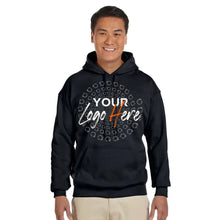
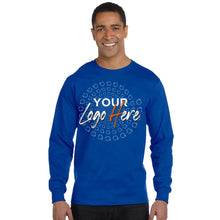
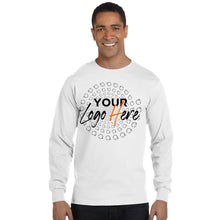
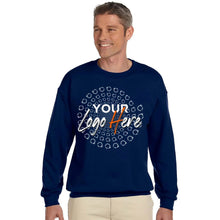
Customers can browse standard shirts alongside custom V-neck T-shirts, custom tank tops, custom long-sleeve shirts, custom kids' shirts, and custom hoodies with no minimum.
Necklines, seams, pockets, hoods, fabric composition, printable dimensions, and available decoration areas can vary. Artwork should be adapted to the selected garment rather than assuming one set of dimensions works identically across every product.
The Needed Arrival Date Is Different from the Shipping Date
Business promotions, family gatherings, graduations, student activities, volunteer programs, recreational events, performances, fundraisers, reunions, community programs, and merchandise releases can have fixed dates. When apparel is necessary for that occasion, the date participants need the garments is the actual requirement.
Qualifying projects can explore same-day shipping custom apparel. Same-day shipping means an eligible order is dispatched within the applicable timeframe. It does not mean guaranteed same-day delivery to Joliet, Illinois.
Artwork readiness, personalization, cutoff times, garment availability, production eligibility, destination, carrier schedules, weather, and transit conditions can affect arrival. Customers preparing apparel for a fixed date should review same-day shipping information and allow appropriate carrier transit time after dispatch.
Define What Joliet Apparel Must Accomplish, Then Create around It
Joliet provides substantial material for custom apparel: the Des Plaines River, limestone quarrying, the Illinois and Michigan Canal, rail transportation, steel manufacturing, immigration, historic architecture, education, businesses, families, recreation, and community organizations. Those stories occupy a northeastern Illinois landscape with Indigenous histories extending far earlier than the modern city and involving distinct Native peoples whose identities and cultural materials should not be reduced to generic regional decoration.
Not every part of an apparel project needs to be rigid. Original illustrations can change. Decorative layouts can be tested. Compatible garment styles can be compared. Secondary wording can often be refined. Flexibility is useful when it does not compromise the project's actual requirements.
Other details deserve a firmer standard. A participant's name should be correct. A company should use its approved logo. A historical claim should be supported. A professional photograph should be appropriately authorized. Institutional and government marks should not imply relationships that do not exist. Indigenous cultural material should be approached according to community authority and context. A required event arrival date should include realistic carrier transit rather than being confused with dispatch.
Custom t-shirt printing in Joliet, Illinois can support manufacturers, logistics companies, contractors, businesses, families, students, schools, colleges, churches, nonprofits, volunteers, recreational organizations, historical projects, performers, photographers, artists, musicians, makers, and independent brands. Eligible projects can range from one personalized garment to bulk custom apparel involving multiple products, sizes, names, numbers, departments, and roles.
Custom One provides online options for screen printing, DTG, DTF, heat transfer vinyl, photo shirts, custom names and numbers, no-minimum apparel, and bulk printing. Original or appropriately authorized artwork, clearly defined project requirements, accurate historical and personalized information, respectful treatment of Indigenous histories and cultural material, responsible handling of government, school, college, business, museum, sports, and third-party marks, organized production files, garment-aware layouts, and realistic shipping expectations can help turn a Joliet apparel idea into a finished project without confusing what must be right with what still has room to be creative.