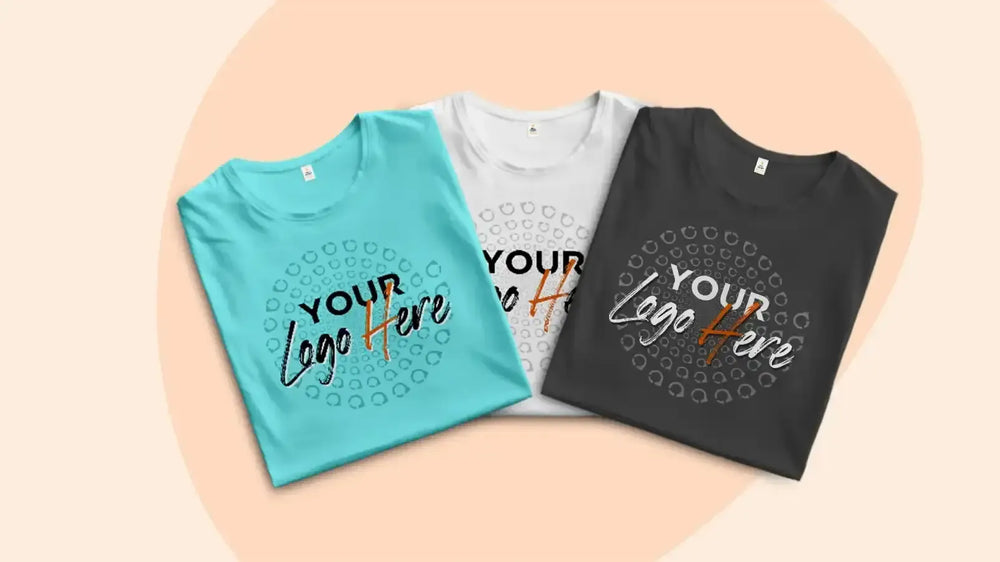
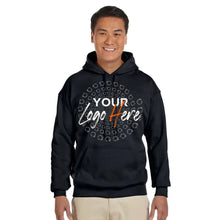
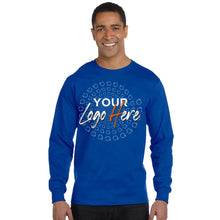
Order a single custom shirt or as many pieces as your business, team, event, or organization needs.
Bulk Order Discounts
Save more as your quantity increases with volume pricing designed for larger custom apparel orders.
Same-Day Printing
Need it fast? Eligible orders can be printed the same day when product, artwork, and production requirements qualify.
No Setup Fees
Keep your costs straightforward with no setup fees on qualifying custom printing orders.
Multiple Printing Methods
Choose from screen printing, DTG, DTF, vinyl, and heat transfer to find the right option for your design.
Free Art Repair & Review
Need help getting your design print-ready? Our team can review your artwork and assist before production begins.
Get Inspired for Your Wheaton Order
1 / of4
Wheaton, MD Custom Printing: See Why Customers Choose Custom One
Thank you for your fast service
Yusuf
✅ Verified Review
I wanted some custom-designed tees to give as Christmas gifts. All I had to do was choose the style, color and size of the shirt and upload my art. The turnaround was quick and the quality top-notch. I'm sure I'll be using Custom One again!
Kat
✅ Verified Review
They did a unbelievable job. I'll be shoping with them a long time. Thanks Custom One!
garry hunt
✅ Verified Review
fast delivery
Tina Mcpherson
✅ Verified Review
1 / of4
How to Choose the Best Custom Printing Service for Your Wheaton, MD Order
Screen Printing
Cost-effective, durable printing for larger quantities, bold designs, businesses, teams, and events.
What is halftone printing, and can it be used on custom T-shirts?
Halftone printing uses patterns of small dots to reproduce gradients, shading, and photographic effects with limited ink colors. It is common in screen printing for detailed artwork. Custom One can review whether halftones suit your design.
Will I be able to feel the printed design on my T-shirt?
The feel of a printed design depends on the printing method, ink coverage, and artwork size. DTG printing can provide a relatively soft feel, particularly on suitable cotton fabrics. Screen printing and DTF may create a more noticeable print layer. Large, solid graphics generally feel different from smaller or less heavily printed designs.
Can I print custom designs on customer-supplied garments?
If you already have garments that you would like to customize, contact Custom One to confirm whether customer-supplied apparel is accepted for your project. Printing compatibility depends on the garment's fabric, construction, coatings, and condition. Our team can review your requirements and explain the available options before you send or bring in your garments.
What resolution should my artwork be for T-shirt printing?
For the best printing results, we recommend submitting artwork at 300 DPI at its intended print size whenever possible. High-resolution images help maintain sharp edges, clear text, and detailed graphics. Low-resolution images may appear blurry or pixelated when enlarged. If you're unsure about your artwork quality, our team can review your design before printing.
Custom T-Shirt Printing in Wheaton, Maryland
Create custom apparel that reflects a business, family, team, organization, event, photograph, or original idea with custom T-shirt printing for Wheaton, Maryland. Custom One Online helps customers turn logos, illustrations, personal images, names, numbers, and creative concepts into wearable designs. A project can be as focused as one personalized shirt or expand into coordinated apparel for employees, relatives, players, volunteers, organization members, event participants, and merchandise customers.
The best starting point is the purpose behind the clothing. A Wheaton business may want branded apparel that carries its established identity, while a family might need shirts for a birthday, reunion, graduation, or group trip. Teams can combine shared artwork with player-specific details, and creators can move original graphics from digital files onto clothing. Explore customizable T-shirts with no minimum when you are ready to build an order around the quantity your project actually requires.
Build the Design in Layers Instead of Adding Everything at Once
A custom shirt may contain several types of information, but each element should contribute something useful. Building the concept in layers can help keep the main message recognizable while still leaving room for supporting details.
Layer One: The Reason for the Shirt
Begin with the element that explains the project. This could be a company logo, family name, team identity, organization graphic, event title, photograph, illustration, or creator brand. It should provide the foundation for everything that follows.
Layer Two: The Supporting Story
Add information that gives the primary design context. A date, year, slogan, event name, short message, caption, or location can help explain the occasion without overwhelming the main artwork.
Layer Three: The Individual
If the project includes multiple wearers, decide whether names, numbers, departments, roles, or other individual information needs to change from one garment to another.
Layer Four: The Visual Finish
Decorative graphics, secondary illustrations, and lettering treatments can complete the concept. These elements can add personality while allowing the essential identity and information to remain clear.
Turn Business Branding Into a Flexible Apparel Wardrobe
A Wheaton business can use custom clothing across different activities while keeping the same recognizable brand identity. Company logos, names, slogans, campaign artwork, and promotional messages can appear on apparel for employees, departments, customer-facing work, company gatherings, internal initiatives, promotional projects, and giveaways.
The main branding can remain consistent even when garment styles change. Employees may require different sizes, and a company might use T-shirts for one purpose and related apparel for another. Individual names, departments, or job roles can also be incorporated when identification is part of the project.
Teams, clubs, businesses, organizations, families, and event groups often need clothing that feels coordinated without making every garment identical. The solution is to establish one shared visual connection and then decide which details can change.
The common element might be a logo, team name, organization identity, family graphic, event artwork, or central slogan. That element can remain recognizable across the project while individual information is attached to specific wearers.
Personalize Only What Needs to Change
A player's name and number, an employee's department, a volunteer's role, or a family member's name can distinguish one garment while the overall design remains part of the same collection.
The printing process becomes easier to consider once the behavior of the design is understood. Some artwork needs to repeat consistently across a group, some relies on detailed digital graphics, and other projects require individual lettering or adaptable custom designs.
When the Graphic Repeats
A business logo, team identity, family design, organization graphic, fundraiser artwork, or event theme that needs to appear across multiple pieces can lead customers toward custom screen-printed shirts.
When Digital Detail Leads the Design
Illustrations and suitable detailed digital graphics can be considered for direct-to-garment printing. Commonly called DTG, this process prints digital artwork directly onto apparel. Learn more about custom direct-to-garment T-shirt printing.
When the Graphic Needs Another Digital Route
Logos, illustrations, event designs, merchandise artwork, and personalized graphics can also be considered for direct-to-film printing. Customers can explore custom DTF T-shirt printing when comparing this option.
When Individual Lettering Matters
Names, numbers, lettering, and certain graphics can lead to custom vinyl T-shirts. This can be especially relevant when a shared design also requires information that changes for each wearer.
Give Each Celebration Its Own Visual Vocabulary
Birthdays, graduations, reunions, anniversaries, group trips, family gatherings, and other occasions provide specific details that can make custom apparel personal. Instead of treating every celebration shirt the same way, use the information that belongs to that particular moment.
A graduation design might combine a portrait, name, year, and short message. Birthday apparel can emphasize the person's name, milestone, photograph, or theme. Reunion shirts might center on a surname, family graphic, year, or shared phrase. Trip apparel can use a destination, date, group identity, or original illustration.
Related designs can also change slightly according to the wearer. The central occasion remains shared while names, garment styles, or other individual details vary.
Keep the Concept While Changing the Garment Silhouette
One artwork concept can connect multiple garment types. This gives businesses, families, teams, organizations, and merchandise projects flexibility without requiring a completely new identity for every clothing style.
For hooded apparel: Company logos, team graphics, event designs, organization artwork, and creative merchandise can extend onto custom hoodies with no minimum.
For long sleeves: Businesses, clubs, group activities, events, and creative collections can incorporate custom long-sleeve T-shirt printing.
For sleeveless options: Fitness groups, casual events, trips, and merchandise projects can use custom tank tops.
For a different neckline: Customers can explore custom V-neck T-shirts while maintaining related artwork.
For younger participants: Families, youth activities, clubs, and events can incorporate custom kids' shirts alongside adult garments.
Treat Related Artwork Files as a Family With One Approved Parent
Personalized projects can quickly produce multiple versions of the same artwork. A team might need several player names and numbers. A company may have department variations, while an event could require different role labels. Without a clear starting file, small unintended differences can enter the project.
Create or identify one approved master design containing the information that should remain fixed. Personalized versions can then branch from that file while changing only the intended details.
Use clear distinctions between the master artwork and wearer-specific versions. If an older logo or graphic needs additional preparation before becoming the master file, explore design review and repair.
This is also the right stage to proofread established artwork. A familiar logo or event graphic can still contain information that needs updating before it is used in a new apparel project.
Think of an Event as a Cast of People With Different Apparel Needs
An event may include participants, organizers, volunteers, staff, guests, family members, or people receiving special recognition. Custom apparel can visually connect those groups while still allowing different roles to be identified.
A fundraiser can center the design on an organization or campaign. A business activity can use established company branding. Family celebrations can feature a surname, photograph, date, or shared graphic. Volunteers may use the same main event design while adding role-specific wording.
Identify which people need identical apparel and which require variations. Keeping one recognizable visual element across those versions can make the entire event collection feel connected.
Develop Creative Apparel as Editions Rather Than Excess Inventory
Artists, illustrators, designers, independent brands, entrepreneurs, organizations, and clubs can transform original artwork into wearable merchandise. Illustrations, characters, phrases, logos, and graphic identities can become clothing associated with the creative project behind them.
A creator can begin with a limited edition or small number of garments and expand when the project calls for it. No-minimum apparel supports smaller quantities, while bulk options can accommodate larger releases.
Related artwork can also appear across T-shirts, hoodies, long sleeves, and tanks, allowing a collection to grow without abandoning its visual identity. Customers balancing design plans with budget considerations can browse affordable custom T-shirts.
Match the Garment to the Wearer Before Counting the Order
For a group project, begin with the people rather than an estimated quantity. Identify each employee, player, family member, volunteer, club member, or participant who needs apparel.
Assign the correct garment style and adult or youth size to that person. Then attach any name, number, role, department, or approved artwork variation. Repeat this process until every wearer has a complete apparel record.
Only then calculate the total quantity. Group the records by garment style and size and compare those subtotals with the overall number of pieces. This approach makes it easier to notice a missing wearer, duplicate garment, or personalized detail that has not been assigned.
Assemble the Final Project From Approved Pieces
The last stage is not about reinventing the apparel. It is about confirming that all of the approved pieces fit together. Begin with the master artwork and verify that the correct logo, photograph, illustration, or graphic has been selected.
Read every visible word. Check company names, personal names, slogans, dates, years, captions, event wording, departments, roles, and numbers. If several artwork variations exist, confirm that each version changes only what it is supposed to change.
Move from the design to the wearers. Verify each person's garment style and size, then match individual personalization to the correct record. Compare the completed wearer records with the overall quantity and make sure every piece has an intended recipient or purpose.
Finally, return to the reason the apparel is being created. The finished project should still clearly represent the business, team, family, organization, event, memory, individual, or creative identity that inspired it. When the message, artwork, garments, wearers, quantity, personalization, and timeline agree, the project is ready for a clear final handoff.