









Custom T-Shirt Printing in Wailuku, Hawaii – Screen Printing, DTF, DTG, and Personalized Apparel
Wailuku carries several kinds of importance within a relatively compact part of Maui. It is the seat of government for Maui County, an established commercial center, a historic town, and a gateway toward ʻĪao Valley. Long before the development of the modern town, the Wailuku and ʻĪao area held major political, religious, agricultural, and cultural significance for Native Hawaiians. Later periods brought missionary activity, sugar production, government offices, businesses, and neighborhoods that added additional layers to the community.
That depth suggests a useful approach to custom apparel: decide which layer of the project actually belongs on the garment. A county-related contractor may need its own company identity, not government imagery. A family gathering can focus on family history instead of a Maui landmark. A cultural organization may have authorized material unavailable to an unrelated commercial project. A downtown business can create merchandise from its own story rather than trying to summarize all of Wailuku.
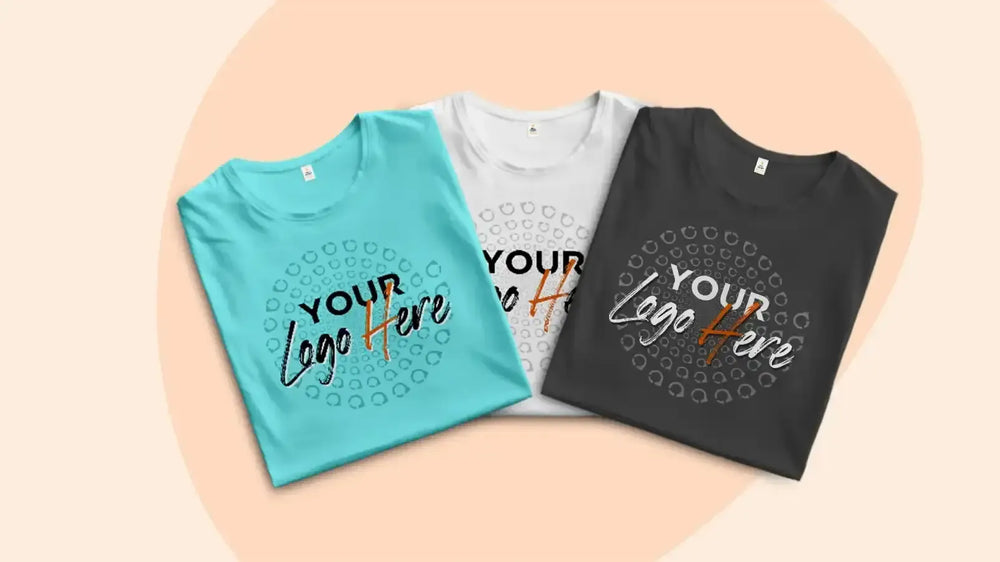
Custom One provides online custom t-shirt printing for customers and projects in Wailuku, Hawaii. Eligible orders can range from one custom T-shirt with no minimum to business apparel, family shirts, community projects, student clothing, recreational apparel, creator merchandise, and larger bulk quantities using original, licensed, or appropriately authorized artwork.
Choose the Layer That Belongs to Your Group
A place can contain many histories without every organization having equal authority to represent all of them. This distinction is particularly important in Wailuku. Native Hawaiian history, the Hawaiian Kingdom, missionary-era buildings, plantation history, county government, twentieth-century commerce, contemporary neighborhoods, and modern businesses all occupy different historical and cultural contexts.
An independent restaurant does not need to borrow culturally significant imagery to establish that it operates in Wailuku. A recreational group does not need an official county symbol. A family with its own photographs can create something personal without using a historical image downloaded from an archive.
The strongest starting material may therefore be the material the group legitimately controls: an approved logo, creator-owned photograph, family image, original illustration, participant-created artwork, commissioned graphic, or appropriately licensed resource.
Wailuku Business Apparel Can Be Locally Specific without Borrowing Local Authority
As Maui County's government seat and a longstanding commercial center, Wailuku supports professional services, restaurants, healthcare activity, retail, contractors, government-related work, creative businesses, community organizations, and other employers.
A business can create locally relevant merchandise through subjects it legitimately controls. A restaurant might commission an illustration connected with a specialty. A contractor can develop artwork related to its trade. A maker may use creator-owned product imagery, while a professional service can keep employee apparel centered on an approved company identity.
Suitable repeatable business graphics may be considered for screen printing. Organizations preparing larger quantities can explore bulk custom T-shirt printing.
Standard decorated apparel should not automatically be considered high-visibility clothing, flame-resistant workwear, medical protective equipment, food-safety apparel, or another specialized occupational product. Employers requiring technical performance characteristics should verify the specifications of the underlying garment.
County Government Is Part of Wailuku, but Government Identity Is Not Generic Local Artwork
Wailuku became the Maui County seat in 1905, helping establish the town as an important governmental and commercial center. County offices remain concentrated in Wailuku today, making public administration highly visible within the community.
Businesses serving government clients, community organizations participating in public programs, and contractors working on public projects should distinguish their own identities from official government identities. A legitimate relationship with a county department does not necessarily authorize reproduction of its seal, badge, logo, uniform markings, or other protected visual material.
Independent shirts should not falsely suggest that the wearer is a county employee, law-enforcement officer, emergency responder, government official, or authorized representative when that is not the case.
Official seals, badges, department marks, agency graphics, identification designs, and government-related emblems may require authorization. Original company or organization artwork provides a clearer alternative for independent projects.
Historic Wailuku Offers Architecture without Making Every Old Building Public-Domain Artwork
Wailuku has a county-designated historic district intended to preserve significant structures and sites associated with Maui's history. Historic resources include Kaʻahumanu Church, Alexander House, Hale Hōʻikeʻike at the Bailey House, and associated historic features. The Bailey House dates to the nineteenth-century missionary period and remains an important architectural resource.
Architecture can provide inspiration for educational, historical, artistic, and community projects, but organizers should distinguish the physical subject from an existing representation of it. A creator may make an original illustration from appropriate research or use creator-owned photography produced in compliance with applicable rules. Copying a museum photograph, published drawing, gift-shop graphic, or another artist's rendering is different.
Museum branding, professional photographs, archival reproductions, interpretive graphics, artwork, organization marks, and published historical illustrations may have identifiable rights holders or usage conditions.
Wailuku's Hawaiian History Is Foundational, Not a Decorative Theme
Wailuku and nearby ʻĪao held major importance in Native Hawaiian history long before the modern commercial town developed. The broader landscape was associated with chiefly residence, agriculture, religious activity, water, settlement, and major political events. ʻĪao Valley was the site of the Battle of Kepaniwai in 1790 during Kamehameha I's campaign on Maui.
That history deserves more care than selecting a Hawaiian-looking motif from an image search. Native Hawaiian cultural material, traditional imagery, culturally significant patterns, genealogical references, historical representations, community-specific symbols, sacred subjects, organization marks, and works by identifiable Native Hawaiian artists should not be treated as generic “Maui” decoration.
Public visibility does not equal permission. Museum display, archival availability, appearance in a history book, or online publication does not automatically establish cultural authorization or merchandise reproduction rights.
Projects without the appropriate cultural relationship can use original non-cultural subjects such as creator-owned landscape photography, independent business artwork, family material, appropriately researched environmental illustration, or other original graphics that do not appropriate culturally specific material.
Preserve Hawaiian Language Accurately When It Is Appropriate to Use
Wailuku projects may include Hawaiian place names, personal names, organization wording, or other Hawaiian-language material. Confirmed spelling should be preserved, including appropriate ʻokina and kahakō. These marks should not disappear simply because an old spreadsheet, keyboard, font, copied listing, or file name omitted them.
Correct typography alone does not make every Hawaiian phrase appropriate for commercial merchandise. Traditional sayings, chants, genealogical references, cultural terminology, historical names, and community-specific language can carry context that is not captured by literal translation.
Automated translation and copied tourist merchandise should not be treated as authoritative sources for Hawaiian-language apparel. When culturally meaningful language is central to a project, appropriate knowledge and review matter alongside spelling.
Sugar Shaped the Later Development of Wailuku
Wailuku's nineteenth- and twentieth-century growth was strongly connected with sugar. Wailuku Sugar Company was established in 1862, and plantation-era development contributed to the town's commercial expansion. The establishment of Wailuku as the county seat in 1905 further strengthened its role as a center for government and business.
A historical project could examine agriculture, irrigation, labor, migration, business development, or changing land use through newly created artwork. Families with legitimate connections to plantation history may also possess authorized photographs or personal material relevant to their own stories.
Plantation history should not be reduced to nostalgic branding without context. Hawaiʻi's plantation economy involved major changes in land use, water, labor, migration, ownership, and community life. Historical company marks, professional photographs, advertisements, published illustrations, maps, and archival materials can also have identifiable rights holders or restrictions.
Family Apparel Can Stay Personal in a Place with So Much Public History
Wailuku families may create shirts for reunions, birthdays, weddings, anniversaries, graduations, retirement celebrations, memorial gatherings, vacations, and other occasions. A family project does not need to represent Maui as a whole.
An authorized family photograph can provide a highly specific starting point. Other possibilities include a commissioned illustration of a longtime home, family business, occupation, vehicle, garden, pet, recipe-related object, hobby, or another subject connected directly with relatives.
Suitable photographic projects can explore a custom photo T-shirt. Families ordering for different age groups can also browse custom kids' shirts.
Professional portraits, wedding photography, school photographs, studio images, newspaper photographs, and other third-party material should only be reproduced with appropriate permission. Appearing in a photograph or owning a physical print does not necessarily establish merchandise reproduction rights.
Student Projects Can Use Research without Copying the Research Source
Students in Wailuku and Central Maui may create apparel for science projects, history programs, performing arts, service activities, technology groups, graduation gatherings, environmental education, publications, competitions, and independent organizations.
A history group researching Wailuku can use what it learns to create an original timeline, illustration, or other graphic rather than reproducing an archival image. Environmental students can develop original artwork about watersheds, native species, or other legitimate research subjects. Musicians, filmmakers, photographers, writers, and visual artists may use work they created or are appropriately authorized to reproduce.
School and university names, logos, seals, mascots, athletic identities, departmental marks, and related branding may be protected and can require authorization.
Independent student merchandise should not falsely imply official licensing, sponsorship, endorsement, or institutional approval.
Community Organizations Can Represent Their Own Work
Churches, charities, food programs, neighborhood groups, cultural organizations, health initiatives, youth programs, volunteer teams, and other Wailuku organizations may need apparel for fundraising, outreach, distribution, education, cleanup projects, and recurring services.
An organization can begin with its own approved identity or commission original artwork related to the service it provides. A food program might develop a graphic around its work. An environmental group could create appropriate original imagery related to a restoration project. A youth program may use participant-created artwork when the necessary permissions are in place.
Organizations planning specialized quantities, garment combinations, or production requirements can request a custom apparel quote.
Working with Maui County, the State of Hawaiʻi, a school, healthcare provider, government agency, nonprofit, cultural organization, or business does not automatically authorize reproduction of that partner's seals, logos, badges, or protected marks.
Recreational Groups Can Build Identities around Their Participants
Running, hiking, cycling, basketball, baseball, softball, soccer, paddling, fishing, fitness programs, youth recreation, and other activities can generate custom apparel needs in Central Maui.
An independent running group may commission its own emblem. A recreational team can create artwork that belongs to its participants. A hiking group could use an original non-cultural landscape illustration, while a fishing organization might commission an accurate illustration of an appropriate species.
Suitable projects requiring individualized information can explore team T-shirts with numbers.
Professional, collegiate, school, league, tournament, race, facility, equipment-company, and event marks may require authorization. Standard custom shirts should not automatically be considered flotation equipment, high-visibility safety apparel, technical outdoor clothing, or specialized sun-protective gear unless the underlying garment specifically provides those properties.
Personalized Information Should Represent the Wearer Accurately
A business, family, student organization, volunteer program, recreational group, or community project may share one central graphic while individual garments contain different names, numbers, departments, titles, or roles.
Suitable projects can explore custom names and numbers. Each person's preferred spelling, capitalization, number, role, garment selection, and size should remain associated with that individual during review.
Hawaiian names should preserve their confirmed form, including appropriate ʻokina and kahakō. An old database, spreadsheet, informal roster, or software limitation should not override the spelling provided by the person or authorized project organizer.
Organizations should avoid titles that falsely imply cultural authority, professional credentials, medical authority, government authority, emergency-service status, military rank, or another position the wearer does not hold. Identifying information should also be considered carefully on children's apparel.
Wailuku Creators Can Make Local Merchandise without Turning Culture into a Commodity
Photographers, illustrators, musicians, designers, filmmakers, makers, writers, and independent brands can create apparel grounded in their own work. A photographer might use creator-owned streetscape or landscape photography. An illustrator can develop original non-cultural imagery, while a musician may commission artwork for a release or performance.
Creators testing suitable artwork can explore custom T-shirts with no minimum. Projects with established demand can consider wholesale screen printed T-shirts when appropriate.
Native Hawaiian artists and cultural practitioners retain their own relationships to the works and cultural material they create. Another person's culturally grounded artwork should not be copied, traced, imitated, or repackaged simply because it appears publicly.
Murals, paintings, sculptures, professional photographs, album artwork, characters, event graphics, museum material, and commercial illustrations can likewise have identifiable rights holders. Public visibility does not provide merchandise reproduction rights.
Know Whether a Historical Image Is a Reference or Reproducible Artwork
Wailuku's documented history means organizers can encounter old photographs through museums, archives, books, newspapers, websites, and family collections. Finding an image and having permission to print it are different questions.
If an authorized photograph will be reproduced, locate the strongest legitimate version from the original camera, phone, computer, cloud library, negative or print scan, external storage, photographer delivery, family collection, or authorized archive whenever possible.
Increasing the dimensions of a heavily compressed screenshot cannot recreate information already discarded. A stronger legitimate source generally provides a better starting point.
Professional portraits, newspaper photography, museum collection images, government photographs, archival scans, historical postcards, published photographs, and other material should only be reproduced when the project has appropriate rights or permission.
Label Cultural and Historical References Separately from Approved Production Files
A project folder may contain photographs used for research, museum references, screenshots, maps, logos, original artwork, and final production files. Those categories should not be treated as interchangeable.
An archival photograph might explain a historical detail without being authorized for merchandise. A cultural reference could help an organizer understand what should not be copied. An old government graphic may be useful for research but inappropriate for independent apparel.
Eligible projects can explore design review and repair. Selected graphics may also benefit from an art repair and file recovery service.
Technical cleanup, tracing, rebuilding, redrawing, format conversion, or improving resolution does not create copyright, trademark, publicity, cultural, government, educational, licensing, or other reproduction rights. Authorization remains a separate requirement.
One Wailuku Project Can Include Several Apparel Styles
A family may need children's and adult products. A business could choose one garment for employees and another for merchandise. A community organization might need shirts for volunteers plus additional products for supporters, while a creator may offer one original design on several apparel styles.
Customers can browse standard shirts alongside custom V-neck T-shirts, custom tank tops, custom long-sleeve shirts, custom kids' shirts, and custom hoodies with no minimum.
Necklines, seams, printable dimensions, fabric composition, garment construction, and available decoration areas can vary. Artwork treatment may therefore need adjustment for different products while the underlying project remains recognizable.
Local Relevance and Permission Are Separate Questions
A symbol may be deeply connected with Maui and still be inappropriate for an unrelated project to reproduce. A photograph can depict Wailuku and still belong to a photographer. A government seal can identify the county and still require authorization. A historical illustration can be widely circulated without automatically being unrestricted.
Native Hawaiian cultural material, Hawaiian language, traditional imagery, culturally significant patterns, genealogical references, community-specific symbols, sacred or ceremonial subjects, organization marks, historical resources, and works by identifiable Native Hawaiian artists deserve particular care. Cultural material should not be reduced to decorative proof that a product is “from Maui.”
Business trademarks, government seals, school marks, sports identities, photographs, characters, event graphics, museum materials, commercial illustrations, and public artwork may also have applicable rights or restrictions.
Original non-cultural illustration, creator-owned photography, appropriately licensed resources, approved organization artwork, authorized family material, and commissioned graphics with suitable usage rights can create distinctive Wailuku apparel without falsely suggesting Native Hawaiian cultural authority, government affiliation, institutional approval, sponsorship, licensing, endorsement, or official status.
Resolve Permissions and Artwork Questions before the Shipping Window
Family gatherings, business activities, graduations, performances, community programs, recreational events, fundraisers, and creator releases can have fixed dates. Waiting until production time to determine whether a photograph, cultural element, logo, or historical image can actually be reproduced may create avoidable delays.
Qualifying projects can explore same-day shipping custom apparel. Same-day shipping means an eligible order is dispatched within the applicable timeframe. It does not mean guaranteed same-day delivery to Wailuku, Hawaii.
Artwork readiness, personalization, cutoff times, garment availability, production eligibility, destination, carrier schedules, weather, and transit conditions can affect arrival. Customers preparing apparel for a fixed date should review same-day shipping information and allow appropriate carrier transit time after dispatch to Maui.
Create Wailuku Custom Apparel from Material the Project Can Represent Responsibly
Wailuku contains overlapping histories rather than one interchangeable local identity. Native Hawaiian political, cultural, agricultural, and religious history predates the modern town. Missionary-era structures, sugar production, immigration, commerce, county government, neighborhoods, environmental resources, and contemporary creative activity added other chapters. Each provides context, but not every element belongs to every apparel project.
A Wailuku business can build merchandise from its own products, services, and original identity. Families can work from authorized personal material. Students can transform legitimate research into original graphics instead of copying research sources. Community organizations can represent the work they actually perform, while recreational groups can develop identities around their participants. Wailuku photographers, illustrators, musicians, filmmakers, makers, writers, and other creators can use work they control rather than treating Native Hawaiian culture or historical archives as unrestricted design libraries.
Custom t-shirt printing in Wailuku, Hawaii can support businesses, families, students, churches, nonprofits, volunteers, recreational organizations, artists, photographers, musicians, makers, and independent brands. Eligible projects can range from one personalized garment to bulk custom apparel involving multiple products, sizes, names, numbers, departments, and roles.
Custom One provides online options for screen printing, DTG, DTF, heat transfer vinyl, photo shirts, custom names and numbers, no-minimum apparel, and bulk printing. Original or appropriately authorized artwork, accurate Hawaiian language where appropriate, respectful cultural treatment, clear separation between reference material and reproducible artwork, verified personalization, suitable garments, and realistic shipping expectations can help create Wailuku apparel that is locally meaningful without claiming an identity, authority, or permission the project does not have.