








The Shirt Color Creates the Background for Everything Else
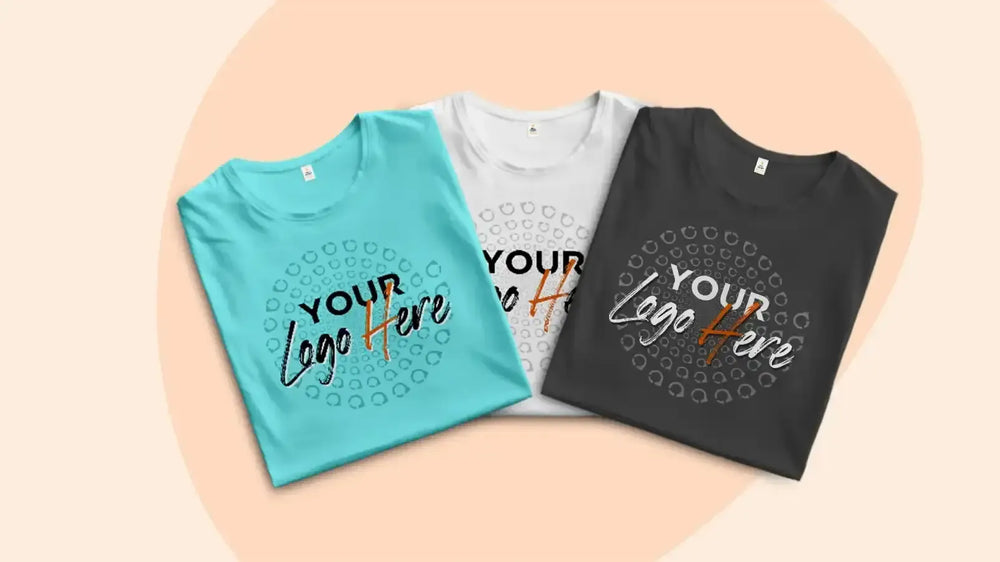
Before artwork is printed, the blank garment already has a visual presence. Its color surrounds the design and becomes part of the finished appearance. A customer choosing custom apparel can therefore consider the shirt and artwork together instead of treating the garment color as an unrelated final selection.
A simple logo may feel complete on one garment color without requiring additional decoration. An illustration may contain enough color of its own that the shirt can provide a quieter surrounding field. Typography-driven apparel can use the relationship between the lettering and garment to create a clear visual identity.
Customers can browse custom T-shirt printing options while considering how the chosen apparel supports the design.
A Limited Color Palette Can Give a Shirt a Clear Identity
Not every custom design needs many colors. A business logo, club emblem, family graphic, event title, or personal phrase can be built around a restrained palette. When the idea is already recognizable, adding more colors simply because they are available may not improve the design.
A limited palette can be particularly useful when a project depends on bold lettering, a recognizable symbol, or a repeated graphic. The visual identity comes from the relationship among the garment, artwork, and message rather than the number of colors included.
Screen Printing for Suitable Repeated Graphics
Customers producing appropriate repeated designs can explore screen printing. Businesses and organizations with suitable larger-volume requirements can also review screen printing wholesale.
Business Apparel Can Carry an Established Color Identity
A St. Louis business may already use recognizable colors in its logo or other branding. Employee apparel can carry that established identity rather than introducing an unrelated visual direction every time shirts are ordered.
The company logo can remain the primary reference point while the garment color is selected to support the intended business appearance. Everyday staff shirts, promotional apparel, company-event garments, and suitable merchandise can all draw from the same established identity without needing to be identical products.
Keep Temporary Promotions From Overloading Everyday Apparel
A special campaign or company event may introduce additional wording, dates, or artwork. Those temporary elements can be incorporated into the relevant apparel without permanently changing the standard employee design.
Customers researching larger apparel needs can also explore blanks wholesale.
Team Colors Can Connect Shared Artwork and Individual Players
Team apparel often combines a recognizable group identity with information belonging to individual participants. Team colors, a mascot, club name, or common graphic can provide the shared visual foundation, while player names and numbers distinguish the wearers.
Customers can explore team T-shirts with numbers for suitable projects.
Names and Numbers Become Part of the Overall Design
Personalized information should feel connected to the team apparel rather than appearing as an unrelated addition. The lettering can be considered alongside the garment and shared graphic so the finished shirt remains visually connected to the group.
Other organizations and groups can browse custom names and numbers when individual details are required.
Detailed Illustrations Can Bring Their Own Color World
Original illustrations, character artwork, decorative graphics, and digital compositions can contain many colors before the garment is even selected. In these projects, the shirt becomes the setting for artwork that already has its own visual character.
Direct-to-Garment Printing
Customers can explore direct-to-garment printing for suitable detailed digital artwork.
Direct-to-Film Printing
Appropriate multicolor and detailed graphics can also be considered through direct-to-film printing.
A complex illustration does not necessarily need extra decoration surrounding it. When the artwork already provides color, detail, and visual interest, the garment can support the illustration without competing for attention.
Color works best when it belongs to the idea. A company may need recognizable brand colors, a team may have an established identity, a photograph brings its own natural range of colors, and a personal design can be as restrained or expressive as the wearer wants.
A Photograph Already Contains a Complete Palette
Photo shirts differ from many graphic designs because the image arrives with its own colors, lighting, background, and visual emphasis. A graduation portrait, family photograph, pet image, friendship picture, memorial photo, or personal snapshot can become the central feature of the garment.
Customers can create a custom photo T-shirt around a selected image.
Let the Image Lead the Supporting Design
A photograph with a busy background may call for restrained supporting elements, while a simple portrait may leave room for a name, year, date, or short message. The garment color can also be considered in relation to the overall appearance of the selected image.
The goal is not to force the photograph into a predetermined color scheme. Instead, the surrounding apparel and text can be chosen with awareness of the colors already present in the image.
Family Events Can Use Color to Create a Shared Theme
Reunions, vacations, anniversaries, birthdays, memorial gatherings, and other family occasions can use a common garment color or related color theme to connect participants. A surname, event illustration, family phrase, or year can provide the central graphic.
Include Younger Family Members
Customers can browse custom kids' shirts when younger relatives are included. Projects involving smaller children can also consider the Gildan toddler T-shirt.
The adult, youth, and toddler garments can feel connected through the artwork and overall color direction even though the physical sizes and apparel categories differ.
Color Can Also Distinguish Parts of a Family Event
When an organizer intentionally wants several related garment colors, the shared family graphic can keep the broader project recognizable. The colors should have a clear reason for being used rather than creating unnecessary sorting complexity.
Lettering Color Matters for Names, Numbers, and Short Messages
Vinyl projects often rely strongly on lettering or defined graphic shapes. A player number, staff name, family nickname, short phrase, or simple symbol can become the central customized element.
Customers can review heat transfer and vinyl printing for suitable projects or browse custom vinyl shirts.
Keep Personalized Lettering Connected to the Shared Apparel
If a group uses one garment color and common graphic, individual names or numbers can be selected to feel like part of that established design. Personalization can identify the wearer without making the shirt appear disconnected from the rest of the group.
The Same Artwork Can Meet Different Garment Styles
Customers may want related artwork on more than one type of apparel. A business could combine standard tees and long sleeves, a family might include adult and youth shirts, and a creator may use an illustration across several products.
V-Neck Apparel
Customers can browse V-neck T-shirts when an alternative neckline is preferred.
Long-Sleeve Shirts
For additional coverage, customers can explore custom long-sleeve T-shirt printing.
Tank Tops
Sleeveless projects can use options such as the Next Level men's cotton tank or browse custom women's tank tops.
Custom Hoodies
Customers seeking a heavier garment can browse custom hoodies with no minimum.
When artwork moves across several apparel categories, customers can consider how the garment colors work with the graphic instead of assuming that one color choice must automatically apply to every product.
Personal Apparel Can Use Color Without Group Rules
A one-person project gives the wearer freedom to select a garment and design based entirely on personal preference. A birthday shirt, custom gift, original phrase, individual illustration, personal symbol, or experimental graphic does not need to conform to a company or team identity.
Customers can explore custom T-shirts with no minimum when one piece or another smaller quantity matches the project.
One Shirt Can Be Visually Specific
A personal project can use a garment color chosen specifically for the recipient and artwork designed around that choice. There is no need to simplify the idea merely because the quantity is small.
Creators Can Treat Color as Part of the Artwork's Identity
Artists, illustrators, independent brands, clubs, and creators may develop graphics whose colors are integral to the design. Those colors can help distinguish one piece of merchandise from another and can become part of how an audience recognizes the artwork.
Customers can explore create-your-own apparel when developing original merchandise.
Different Designs Can Have Different Apparel Needs
A colorful illustration may work with one garment selection, while a typography-led design may call for another. A creator does not need to force every graphic onto an identical product simply to make the merchandise feel related.
When a suitable design requires a larger quantity, customers can explore custom bulk T-shirts.
Older Artwork May Need Color Information Clarified
Existing graphics can sometimes create uncertainty when the available file is old, incomplete, low quality, or otherwise difficult to work with. A business may have an older logo, a family could want to reuse a reunion design, or a creator may have an artwork file that needs preparation.
Customers can explore design review and repair when existing artwork needs attention.
File Recovery for More Difficult Artwork Problems
Additional source issues can be considered through the art repair and file recovery service.
Reviewing an existing design can help clarify the artwork before it is applied to current apparel, especially when the graphic has been reused or transferred through several file formats over time.
Color Choices Become More Visible Across Larger Orders
A single shirt can use a highly personal color combination, while a larger business, team, organization, event, or merchandise order may need a more deliberate color plan across many garments.
Customers with suitable higher-volume requirements can explore custom bulk T-shirts.
More Garments Do Not Automatically Require More Colors
A large order can remain visually focused around one garment color and one established design. Alternatively, several planned garment colors can be used when they serve a clear purpose. The number of colors should follow the apparel concept rather than the number of shirts being produced.
Describe the Color Idea in Simple Terms
Customers do not need specialized design vocabulary to communicate a color direction. A business can explain that it wants employee shirts using its established logo colors. A team can provide its shared colors along with player names and numbers. A family organizer can describe the garment color chosen for a reunion. A creator can provide finished multicolor artwork, while an individual may simply know the shirt color desired for a personal phrase.
That information can be combined with garment style, size distribution, quantity, artwork, and printing requirements. The color direction becomes one useful part of the overall custom apparel request rather than an isolated decision.
Customers can use the request a quote page to provide project details. Additional ordering information is available through the FAQ.