








Custom T-Shirt Printing in Caldwell, Idaho – Screen Printing, DTF, DTG, and Personalized Apparel
Caldwell developed in Idaho's Treasure Valley from a railroad town into an agricultural, educational, commercial, and increasingly diverse community. The Oregon Short Line Railroad played a defining role in the city's founding in 1883, irrigation helped surrounding farms become productive, Caldwell became the seat of Canyon County, and The College of Idaho established an educational presence that continues today. Modern Caldwell combines those historical foundations with businesses, families, students, agriculture, recreation, community organizations, and creative work.
For custom apparel, that variety suggests a practical principle: some design decisions create options, while others quietly eliminate them. Choosing original artwork keeps many possibilities open. Starting with a tiny screenshot limits image quality immediately. Confirming that a logo is authorized makes it easier to use confidently; assuming permission can bring a project to a halt later. Selecting a versatile garment can support several activities, while choosing highly specialized apparel may narrow how and where it is useful.
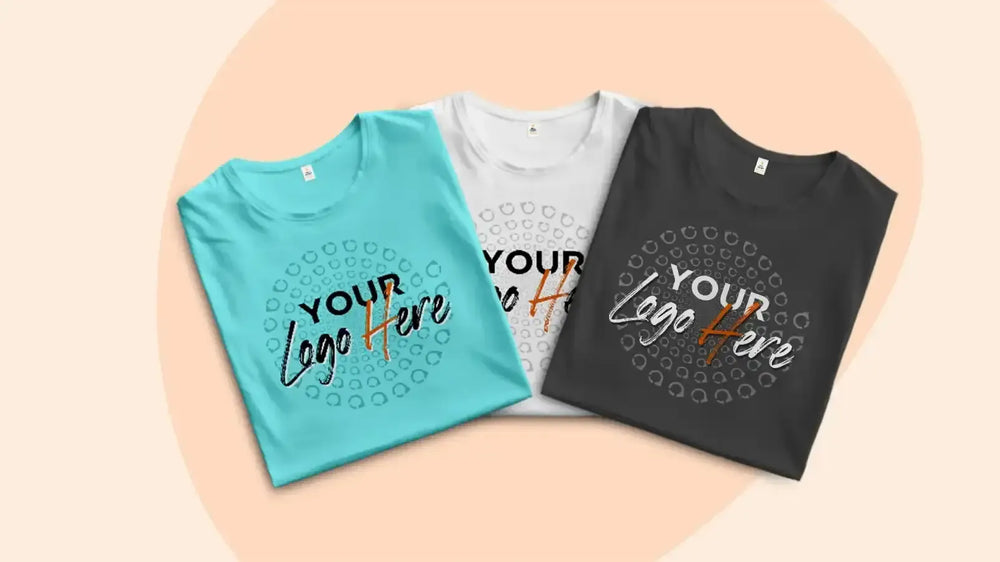
Custom One provides online custom t-shirt printing for customers and projects in Caldwell, Idaho. Eligible orders can range from one custom T-shirt with no minimum to employee shirts, agricultural business apparel, family garments, student clothing, recreational shirts, creator merchandise, event apparel, and larger bulk custom T-shirt orders using original, licensed, or appropriately authorized artwork.
The Railroad Created the Conditions for Modern Caldwell
Caldwell was founded and platted in 1883 during construction of the Oregon Short Line Railroad. The townsite was developed after the railroad chose a route through the Boise Valley, and Caldwell quickly attracted residents, businesses, schools, churches, and newspapers. The community was named for Alexander Caldwell, a Kansas businessman associated with the development effort.
Caldwell's location allowed it to develop as a supply center for surrounding farms, communities, ranches, and mining areas farther south. The town was incorporated in 1890, and after Canyon County was created in 1892, Caldwell became the county seat.
Rail history can provide material for original apparel without requiring reproduction of an old railroad company's identity. Designers can develop independent track geometry, transportation-inspired lettering, original locomotive illustrations, freight concepts, or documented family railroad history.
Historical railroad trademarks, advertisements, professional photographs, maps, timetables, and corporate graphics may have identifiable rights holders or reproduction conditions even when they appear in historical resources.
Keep the Printing Process Appropriate to the Artwork
Screen Printing
Suitable repeatable company graphics, organization identities, event designs, family artwork, and merchandise can be considered for screen printing, depending on quantity, garment, artwork, and production requirements.
Direct-to-Film Printing
Suitable detailed digital illustrations and multicolor graphics may be considered for DTF printing.
Direct-to-Garment Printing
Suitable authorized photographs and selected image-rich artwork may be candidates for DTG printing, depending on the garment, image, and project requirements.
Heat Transfer and Vinyl
Suitable names, numbers, roles, departments, and selected lettering may use heat transfer or vinyl printing or another appropriate personalization process.
Quantity, fabric composition, garment construction, personalization, artwork characteristics, and intended use should be considered together. A company logo, authorized family photograph, detailed agricultural illustration, and individualized recreational shirt can require different solutions.
Irrigation Helped Transform the Agricultural Landscape around Caldwell
Caldwell's railroad connection was only one part of its growth. Irrigation became essential to agricultural development throughout the surrounding Treasure Valley. By 1900, the Pioneer Irrigation District had been established around Caldwell, part of a larger transformation that brought dependable irrigation water to lands that could then support more intensive agriculture.
Farms and agricultural businesses became important to Caldwell's economic development, supporting commerce, transportation, processing, equipment, financial services, and other industries.
Agricultural apparel can use original crop illustrations, field geometry, irrigation-inspired lines, farm tools, independently drawn equipment, or creator-owned photography. A family farm can emphasize its own name, founding year, products, or original identity.
Equipment-company logos, seed brands, agricultural product trademarks, professional farm photography, irrigation-district identities, and another illustrator's work may require permission. Farming in the same region does not provide rights to another organization's branding.
The College of Idaho Has Been Part of Caldwell since 1891
The College of Idaho traces its beginning to October 7, 1891, when its first class was held for two students in a Caldwell Presbyterian church. The institution subsequently moved into its own downtown building and later relocated to its present campus after land was donated in 1910.
The college has developed into a longstanding component of Caldwell's educational and cultural life. Students, faculty, alumni, performers, academic groups, service organizations, and athletic participants contribute to activity both on campus and throughout the surrounding community.
Independent student projects can build around their actual purpose. A service group can create an original project identity. Performers can develop authorized event artwork. Academic groups can commission illustrations related to their subject. Student artists can build merchandise from their own creative work.
The College of Idaho's name, logos, Coyote branding, athletics identities, seals, departmental marks, and official event graphics may be protected and can require authorization. Enrollment, employment, alumni status, fandom, or participation does not automatically provide merchandise rights to institutional branding.
Historical Research Can Generate New Artwork Instead of Reproductions
Caldwell has surviving architecture and historical records documenting its early railroad, commercial, agricultural, political, and educational development. Historic buildings can help creators understand construction styles, streetscapes, materials, and the visual character of earlier periods.
The College of Idaho's archival holdings also include photographs made by founding president William Judson Boone, whose images documented Caldwell and surrounding areas during the late nineteenth and early twentieth centuries.
Researching those photographs can inspire an independent project, but accessing an archival image does not automatically establish merchandise reproduction rights. A creator might instead use historical research to develop a new illustration, photograph a contemporary subject with appropriate access, or create typography influenced by a period without copying a specific archival work.
Caldwell's 1883 Founding Is Only a Recent Layer of Regional History
The Treasure Valley and broader southwest Idaho region have Indigenous histories extending far earlier than Caldwell's railroad-era founding. Shoshone, Bannock, and Northern Paiute peoples have longstanding histories in southern Idaho and surrounding areas, while Indigenous travel, trade, seasonal use, resource gathering, and relationships with waterways and landscapes cannot be reduced to modern municipal boundaries.
Nineteenth-century U.S. expansion, settlement, mining, military actions, treaties, forced displacement, and reservation policies profoundly changed Indigenous access to lands throughout the region. These histories deserve more than a generic “Old West” or “Native Idaho” graphic.
Tribal nations and Indigenous communities are living peoples with distinct identities. Tribal seals, community-specific symbols, language, traditional designs, ceremonial imagery, cultural objects, archaeological material, historical cultural resources, and works by identifiable Indigenous artists may require authorization and appropriate context.
Public display, museum access, historical publication, academic research, or online availability does not establish cultural authorization or merchandise reproduction rights. Projects without an appropriate relationship can use original non-cultural agricultural, river, botanical, architectural, family, recreational, or landscape imagery instead.
Agricultural Businesses Can Make Their Own Identity the Product
Caldwell's position within an agricultural region creates apparel needs for farms, food-related businesses, agricultural services, contractors, equipment operations, transportation providers, and other companies supporting rural and urban customers.
A farm does not need to borrow a famous equipment logo to look agricultural. Its own name, crop, founding date, original field illustration, or independently developed emblem can create a more specific identity. A food-related business can emphasize its actual product rather than collecting generic Idaho symbols.
Suitable repeatable business graphics may be considered for custom screen printing. Organizations preparing larger quantities can explore wholesale screen printing.
Standard decorated apparel should not automatically be considered high-visibility clothing, flame-resistant workwear, chemical-resistant garments, pesticide-protective clothing, food-safety apparel, or another specialized occupational product. Employers requiring technical properties should verify the specifications of the underlying garment.
Business Apparel Should Leave Room for the Company to Grow
Caldwell businesses operate across construction, manufacturing, agriculture, healthcare, retail, restaurants, professional services, home services, transportation, hospitality, technology, and other fields. A useful employee apparel system can often support more than one immediate purpose.
For example, a clear approved company mark might work across everyday staff shirts, promotional garments, event apparel, and selected merchandise. A design dependent on a temporary promotion, outdated service list, or unauthorized partner logo can be harder to reuse.
That does not mean every company shirt should be permanent or generic. Event-specific apparel can be valuable. The point is to decide deliberately whether a design is intended for one occasion or whether it should remain useful after that occasion passes.
Family Projects Benefit from Source Material the Family Controls
Caldwell families may create apparel for reunions, birthdays, weddings, anniversaries, graduations, retirement celebrations, memorial gatherings, vacations, homecomings, and other milestones. Families with agricultural, railroad, educational, business, or multigenerational Treasure Valley histories may have photographs and records that make the project particularly personal.
A family-created emblem, surname, authorized photograph, documented occupation, original illustration, or meaningful date can provide a strong identity without depending on outside branding.
Suitable photographic projects can explore a custom photo T-shirt. Families ordering across generations can also browse custom kids' shirts and custom hoodies with no minimum.
Professional wedding photography, graduation portraits, school photographs, studio images, newspaper photography, and other third-party material should only be reproduced with appropriate permission. Owning a physical print or appearing in an image does not necessarily establish merchandise reproduction rights.
Community Projects Should Confirm Partnerships before Designing around Them
Churches, charities, food programs, youth organizations, cultural groups, environmental projects, neighborhood programs, arts organizations, health initiatives, and volunteer teams may work with businesses or public institutions throughout Caldwell and Canyon County.
An early design can leave partner placement open until participating organizations confirm whether and how their identities may be used. This is safer than building the entire shirt around logos that have not been approved for merchandise.
Organizations planning specialized quantities, garment combinations, or production requirements can request a custom apparel quote.
Working with the City of Caldwell, Canyon County, State of Idaho, a Tribal nation, school, college, healthcare provider, government agency, nonprofit, emergency service, or business does not automatically authorize reproduction of that organization's seals, badges, logos, cultural material, uniforms, or protected marks.
An Original Team Identity Creates More Options for Future Seasons
Caldwell residents participate in baseball, softball, soccer, basketball, running, cycling, fitness programs, youth sports, outdoor recreation, and other activities. Independent teams and informal groups may need shirts for players, coaches, volunteers, tournaments, challenges, fundraising, or social gatherings.
A team that develops its own legitimate name and original artwork can potentially adapt that identity across seasons, participant groups, and garment styles. Borrowing professional, collegiate, school, or league branding can introduce authorization issues that limit those possibilities.
Suitable projects requiring individualized information can explore team T-shirts with numbers and custom names and numbers.
Professional, collegiate, school, league, tournament, race, facility, event, and equipment-company marks may require authorization. Participation in or enthusiasm for an activity does not automatically provide merchandise rights to another organization's branding.
Original Work Gives Caldwell Creators Room to Adapt
Photographers, illustrators, musicians, filmmakers, designers, writers, performers, makers, and independent brands can build merchandise around material they control. Caldwell offers non-cultural subjects ranging from agricultural landscapes and irrigation patterns to architecture, plants, transportation, everyday work, weather, and Treasure Valley scenery.
A photographer can use creator-owned agricultural imagery. An illustrator can develop an original railroad-era interpretation. A musician can create authorized band artwork. A filmmaker can commission graphics specifically for a production. An artist can turn field geometry or local architecture into an independent visual system.
Creators testing suitable designs can explore create-your-own apparel. Smaller merchandise projects can also consider customizable T-shirts with no minimum.
Murals, professional photographs, characters, album artwork, song lyrics, commercial illustrations, Indigenous cultural material, college branding, government identities, historical collection images, and other publicly visible creative works can still have identifiable rights holders or cultural restrictions.
A Strong Source Image Preserves More Printing Possibilities
A photograph intended only for a small phone display can hide compression, blur, and missing detail. Once that same image is enlarged for a shirt, faces, lettering, edges, agricultural equipment, architecture, and background details can reveal those limitations.
Before committing to a weak file, look for the strongest legitimate version available from the original phone or camera, computer, cloud library, photographer delivery, family archive, organization collection, negative, print scan, or another authorized source.
A higher-quality source provides more options for cropping and reproduction. Enlarging a heavily compressed screenshot cannot restore information already discarded.
Technical quality and reproduction permission remain separate considerations. Professional portraits, newspaper photographs, college photography, historical collection images, event photography, and other third-party material should only be reproduced with appropriate authorization.
Organize Files So One Uncertain Asset Does Not Block the Whole Project
A Caldwell project folder might contain approved company logos, family photographs, railroad references, Indigenous historical research, College of Idaho marks, government graphics, agricultural images, participant spreadsheets, inspiration, drafts, and final artwork.
Separating assets by status keeps uncertainty contained. Labels such as APPROVED-LOGO, AUTHORIZED-PHOTO, ORIGINAL-ART, REFERENCE-ONLY, AUTHORIZATION-PENDING, CURRENT-ROSTER, DRAFT, and FINAL-PRODUCTION can help organizers identify which files are ready to use.
Eligible projects can explore design review and repair. Selected graphics may also benefit from an art repair and file recovery service.
Technical cleanup, tracing, rebuilding, redrawing, cropping, vectorization, background removal, or format conversion does not create copyright, trademark, publicity, cultural, Tribal, college, school, government, corporate, licensing, or other reproduction rights. Authorization remains a separate requirement.
Choose a Garment Mix That Matches the People Wearing It
A Caldwell company, family, student organization, recreational group, or community project may include people with different garment preferences. Restricting the project unnecessarily to one style can reduce options, while offering too many products without planning can complicate ordering.
Customers can browse standard shirts alongside custom V-neck T-shirts, custom tank tops, custom long-sleeve shirts, custom kids' shirts, and custom hoodies with no minimum.
Necklines, seams, pockets, hoods, fabric composition, printable dimensions, and available decoration areas can vary. Artwork should be adapted to the selected products instead of assuming identical dimensions will work everywhere.
A Fixed Event Date Eventually Removes Scheduling Flexibility
Business promotions, family gatherings, graduations, student activities, volunteer programs, recreational events, performances, fundraisers, reunions, community programs, and merchandise releases can have fixed dates. As that date approaches, there are fewer opportunities to absorb artwork changes, garment substitutions, production requirements, and carrier transit.
Qualifying projects can explore same-day shipping custom apparel. Same-day shipping means an eligible order is dispatched within the applicable timeframe. It does not mean guaranteed same-day delivery to Caldwell, Idaho.
Artwork readiness, personalization, cutoff times, garment availability, production eligibility, destination, carrier schedules, weather, and transit conditions can affect arrival. Customers preparing apparel for a fixed date should review same-day shipping information and allow appropriate carrier transit time after dispatch.
Create Caldwell Apparel without Closing Useful Options Too Early
Caldwell provides a broad range of subjects for custom apparel: its 1883 railroad origins, agricultural development, irrigation, Canyon County role, historic architecture, The College of Idaho, businesses, families, students, recreation, creators, and the wider Treasure Valley landscape. Those stories occupy a region with Indigenous histories extending far earlier than the railroad town and involving distinct Native peoples whose cultural identities should not be reduced to generic Idaho decoration.
Many successful projects preserve useful choices at the beginning. Original artwork can be adapted. A high-quality authorized photograph can be cropped for different layouts. An independent team identity can continue into another season. A business's approved branding can move between employee shirts and merchandise. Clear file organization allows uncertain reference material to remain outside production until its status is resolved.
Other choices naturally require greater commitment. Personalized names and numbers should be confirmed. Institutional branding should be authorized. Indigenous cultural material requires appropriate authority and context. A fixed event date creates real production and shipping constraints. Recognizing the difference allows experimentation where it is useful without treating important decisions casually.
Custom t-shirt printing in Caldwell, Idaho can support farms, agricultural businesses, manufacturers, contractors, families, students, schools, college-related independent groups, churches, nonprofits, volunteers, recreational organizations, performers, photographers, artists, musicians, makers, and independent brands. Eligible projects can range from one personalized garment to bulk custom apparel involving multiple products, sizes, names, numbers, departments, and roles.
Custom One provides online options for screen printing, DTG, DTF, heat transfer vinyl, photo shirts, custom names and numbers, no-minimum apparel, and bulk printing. Original or appropriately authorized artwork, accurate historical and personalized information, respectful treatment of Indigenous histories and cultural material, responsible handling of government, college, school, business, sports, and third-party marks, strong source files, organized production assets, garment-aware layouts, and realistic shipping expectations can help create Caldwell apparel with enough flexibility to evolve while keeping the decisions that truly matter dependable.