







If It Cannot Lose Clean Repetition
An approved logo or suitable group graphic may be considered for screen printing, particularly when consistent artwork needs to appear across a coordinated quantity.

✅ No Minimum
✅ No Setup Fee
✅ Free Art Review and Repair
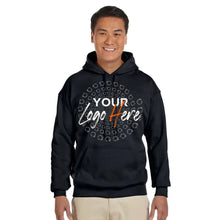
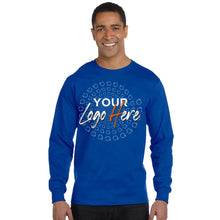
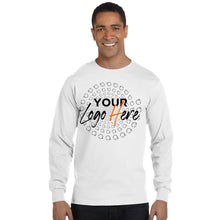
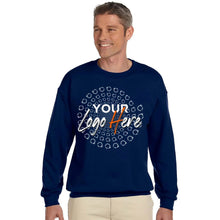
Order a single custom shirt or as many pieces as your business, team, event, or organization needs.
Save more as your quantity increases with volume pricing designed for larger custom apparel orders.
Need it fast? Eligible orders can be printed the same day when product, artwork, and production requirements qualify.
Keep your costs straightforward with no setup fees on qualifying custom printing orders.
Choose from screen printing, DTG, DTF, vinyl, and heat transfer to find the right option for your design.
Need help getting your design print-ready? Our team can review your artwork and assist before production begins.


Cost-effective, durable printing for larger quantities, bold designs, businesses, teams, and events.

Ideal for full-color artwork, fine details, gradients, and smaller custom apparel orders.

Vibrant, detailed transfers that work well across a wide variety of garments and fabric types.

A great choice for personalized apparel, team jerseys, names, numbers, and simple custom graphics.

Volume-focused printing solutions for brands, businesses, resellers, organizations, and large apparel orders.

Get your artwork reviewed, corrected, and optimized to help achieve a cleaner, higher-quality final print.

STEP 01
Browse T-shirts, hoodies, sweatshirts, long sleeves, and more to find the right garment, color, and fit for your project.
STEP 02
Upload your artwork, logo, or graphic, or use our online design tools to personalize your apparel.
STEP 03
Choose your sizes and quantities for an individual order, business, team, event, organization, or larger group event.
STEP 04
Confirm your design and order details. Once everything is ready, we'll move your apparel into production and fulfillment.

A custom apparel project in Little Rock can begin with something as polished as an established company logo or as informal as a sketch made during a planning meeting. Between those two points are photographs, event titles, employee lists, family names, volunteer roles, original illustrations, and older graphics that need preparation before they can become wearable designs.
Custom One provides online custom t-shirt printing in Little Rock, Arkansas, for businesses, families, nonprofits, churches, students, recreational groups, creators, and organizations preparing apparel for specific occasions. Eligible orders can range from no-minimum custom shirts to personalized groups and larger bulk quantities using original, licensed, or appropriately authorized artwork.
Customers can browse custom T-shirt printing options while developing artwork around the people, organization, or occasion the finished garments are meant to represent.
Little Rock combines government, healthcare, education, professional services, retail, hospitality, construction, transportation, nonprofit activity, and other sectors within the broader Central Arkansas economy. Those different environments can generate apparel projects with very different communication needs.
A contractor may need straightforward company identification. A healthcare-related organization might prepare shirts for an internal program or fundraiser. A restaurant can create employee apparel and separate customer merchandise. A professional organization may need garments for a conference, while a nonprofit could use shirts to identify volunteers during a public activity.
Rather than making every Little Rock shirt look “local” in the same way, the design can prioritize the organization responsible for the project and use the city as context.
As Arkansas's capital, Little Rock naturally generates projects connected with public service, civic activities, educational programs, advocacy, conferences, and community organizations. Customers can create original apparel around these activities without making the garments appear to be official government products.
Original typography, independently created Arkansas-themed graphics, appropriately licensed photography, or artwork developed specifically for an organization can provide a civic connection. Official seals, agency insignia, badges, government emblems, department marks, and similar protected or restricted identities may require authorization.
Independent apparel should not imply government sponsorship, employment, approval, or official status when no such relationship exists.
Little Rock businesses can use custom shirts for employees, trade activities, internal programs, promotions, recruiting, customer events, merchandise, and company celebrations. Before adding visual elements, it helps to identify the job of the garment.
If customers need to recognize employees, an approved company logo may deserve most of the attention. If the shirt commemorates an anniversary, the established identity can remain while temporary anniversary information is added. Merchandise can take a more expressive direction with original artwork intended to appeal to customers beyond the workplace.
Suitable repeatable company graphics may be candidates for custom screen printed T-shirts. Organizations preparing larger coordinated orders can explore wholesale screen printed shirts.
Standard decorated T-shirts should not automatically be treated as high-visibility apparel, flame-resistant workwear, protective equipment, or other specialized occupational clothing. Technical performance depends on the specifications of the underlying garment.
The Arkansas River and the city's riverfront setting provide useful subject matter for original Little Rock apparel. Water, bridges, movement, trails, landscape forms, and the relationship between the river and city can all be interpreted through independent artwork.
A photographer may use a river image they created and have the right to reproduce. An illustrator could develop original lines inspired by water or terrain. A recreational group can create an independent identity around its own activity rather than copying an existing event or organization logo.
Existing photographs, maps, tourism graphics, public artwork, business branding, event identities, and commercial illustrations may have separate rights holders. A public landscape does not make every existing depiction of that landscape available for merchandise use.
Little Rock has a substantial healthcare and medical-services environment. Hospitals, clinics, professional groups, support organizations, fundraising teams, educational programs, and healthcare-related businesses may use custom apparel for activities outside ordinary professional uniforms.
A charity walk, staff appreciation activity, educational event, departmental celebration, or fundraising program can use custom shirts while remaining visually distinct from clinical credentials or specialized work clothing.
Protected hospital, healthcare-system, university, association, or partner logos should only be reproduced with appropriate authorization. Custom promotional apparel should also not be represented as protective medical clothing or specialized personal protective equipment unless the underlying product is specifically designed and certified for that purpose.
Different source files contain different kinds of important information. That distinction can help guide production decisions.
An approved logo or suitable group graphic may be considered for screen printing, particularly when consistent artwork needs to appear across a coordinated quantity.
Suitable portraits, gradients, and detailed digital imagery may be candidates for direct-to-garment printing.
Suitable complex and multicolor creator artwork may be considered for direct-to-film printing.
Names, numbers, roles, and selected lettering may use custom vinyl printing or another suitable personalization process.
The appropriate production method depends on artwork, garment, quantity, detail, and personalization requirements rather than the city or occasion alone.
Little Rock's educational environment can create custom apparel projects for graduation groups, academic activities, arts programs, independent clubs, student organizations, youth programs, and educational events.
A robotics or technology activity can develop original technical artwork. An arts program may use student-created illustrations with appropriate permission. Graduation groups can combine original typography, names, dates, and authorized photography. Independent organizations can establish their own visual identities rather than relying automatically on institutional marks.
School, college, and university names, logos, seals, mascots, athletic identities, and related branding may be protected. Appropriate authorization should be obtained before protected institutional marks are reproduced, and independent designs should not falsely imply official licensing, sponsorship, or endorsement.
Churches, ministries, charities, nonprofits, neighborhood groups, cultural organizations, youth programs, and service organizations can use custom apparel for outreach, fundraising, retreats, food distribution, community activities, and recurring programs.
A clear organization identity can help participants recognize volunteers. Different roles can be distinguished when necessary, while an event-specific message can provide context for the activity.
A fundraising shirt may take a different approach by emphasizing original artwork supporters will want to continue wearing. A recurring organization can also preserve its permanent identity while changing campaign wording, dates, or annual themes.
Groups preparing specialized orders can request a custom apparel quote.
A company department, volunteer program, family group, recreational organization, club, or youth activity may need a common graphic with participant-specific information.
Suitable projects can explore custom team T-shirts with numbers. Names, preferred capitalization, numbers, roles, sizes, and garment selections should remain connected with the correct participants during review.
An unusual nickname should not automatically be corrected. Duplicate numbers may be intentional. A role can change between participants even when the main artwork remains identical. These details deserve the same deliberate review as the central graphic.
Professional, collegiate, school, league, and other protected sports identities may require authorization. Personalizing a garment does not create permission to reproduce protected team marks.
Illustrators, photographers, musicians, designers, artists, makers, and independent brands can treat a shirt as another format for work they already create. The Little Rock connection can come through the creator's perspective rather than through a predetermined collection of city symbols.
Creator-owned river photography, independent music graphics, Arkansas landscape illustrations, original typography, neighborhood-inspired artwork, and newly developed designs can become merchandise when the creator controls the necessary rights.
Eligible creators testing a concept can explore no-minimum custom T-shirts. If an audience grows, suitable projects can later move toward bulk custom T-shirt printing.
A photo submitted for printing may have passed through several stages: original camera image, social-media upload, downloaded copy, messaging application, screenshot, and finally an email attachment. Each step can reduce available image information.
When possible, move backward through that chain. Search the original phone, camera, cloud library, family archive, photographer delivery, or organization folder. Faces, lettering, fine edges, shadows, highlights, and other important details should be checked near the intended reproduction size.
Making a compressed screenshot larger does not restore information already discarded. A stronger original source generally provides a better starting point.
Image quality and copyright ownership remain separate. Being pictured in a photograph does not necessarily make someone its copyright owner. Professional portraits, event photography, and other third-party images should only be reproduced with appropriate permission.
Arkansas seasons, indoor workplaces, outdoor activities, evening events, and individual preferences can make mixed garment selections useful. A shared visual identity does not require every participant to wear exactly the same product.
Short-sleeve shirts can provide a flexible base. Customers wanting additional coverage can explore custom long-sleeve T-shirts. Cooler-weather projects can consider custom hoodies with no minimum, while other projects may prefer custom V-neck shirts.
Artwork should be reviewed for each selected garment because product dimensions, construction, seams, and available printing areas may vary.
Standard custom apparel should not automatically be considered high-visibility, UV-protective, moisture-managing, weather-resistant, flame-resistant, or protective equipment unless those characteristics are specifically provided by the underlying garment.
If a Little Rock organization has used the same identity for years, the small image currently visible online may not be the original artwork. Earlier marketing projects, designer folders, email attachments, cloud archives, and previous apparel orders may contain stronger files.
The same principle applies to family photographs and creator artwork. Before rebuilding a graphic from a compressed copy, search for the source that existed before the compression occurred.
When appropriate artwork needs technical preparation, eligible projects can explore design review and repair. Selected graphics may also benefit from an art repair and file recovery service.
Technical repair does not create intellectual-property rights. Protected logos, photographs, characters, institutional marks, illustrations, government identities, and other third-party material still require appropriate authorization.
The Arkansas River, Central Arkansas landscapes, local businesses, community activities, family history, music, recreation, education, and civic life can all inspire original Little Rock apparel. Those broad themes should be distinguished from specific protected identities.
Company logos, university and school marks, professional and collegiate sports identities, government seals and agency emblems, event branding, photographs, commercial illustrations, entertainment properties, and other third-party material may require permission before reproduction.
Original illustrations, creator-owned photography, properly licensed resources, and commissioned artwork with suitable usage rights can establish a Little Rock connection without falsely suggesting sponsorship, endorsement, licensing, employment, or official affiliation.
A conference, employee program, family gathering, graduation, volunteer activity, fundraiser, recreational event, or merchandise launch can have a firm date. Customers facing shorter production windows can explore eligible same-day shipping apparel.
Same-day shipping means dispatch of a qualifying order within the applicable timeframe. It does not mean guaranteed same-day delivery to Little Rock, Arkansas. Artwork readiness, cutoff times, garment availability, production eligibility, destination, carrier schedules, weather, and transit conditions can affect arrival.
Customers should review same-day shipping information and include appropriate carrier transit time after dispatch when planning around a fixed date.
A capital-city workplace, family reunion, volunteer activity, student organization, recreational group, photographer, musician, and independent retailer can all belong in Little Rock without needing similar apparel. Each already has its own source material.
The business has an identity. The family has names and memories. The nonprofit has a mission. The student group has an activity. The photographer has original images, and the artist has a visual point of view. Those materials can lead the design while Central Arkansas provides the surrounding context.
Custom t-shirt printing in Little Rock, Arkansas can support businesses, families, churches, nonprofits, students, volunteers, recreational organizations, artists, photographers, musicians, and independent brands. Projects can range from one personalized shirt to coordinated bulk custom apparel involving multiple garments, sizes, names, and numbers.
Custom One provides online options for screen printing, DTG, DTF, heat transfer vinyl, photo shirts, names and numbers, no-minimum apparel, and bulk printing. Strong source files, accurate information, appropriate reproduction rights, suitable garments, and realistic shipping expectations can help move a Little Rock apparel project from an idea to production-ready artwork.