
Sign In
and get 10% off your first order!

✅ No Minimum
✅ No Setup Fee
✅ Free Art Review and Repair
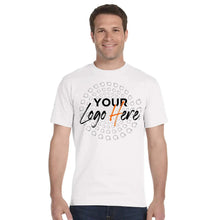
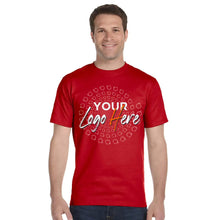
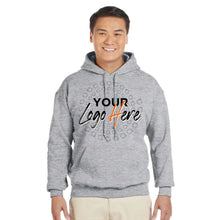
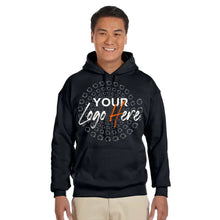
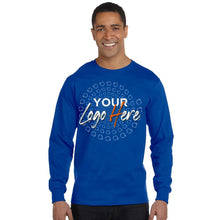
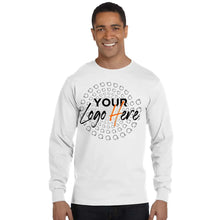
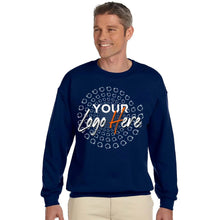
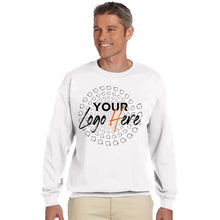
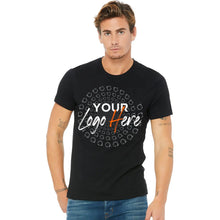
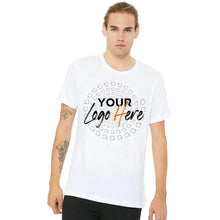
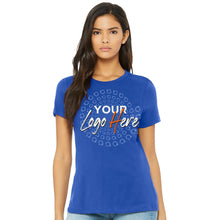
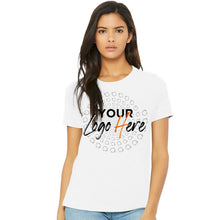
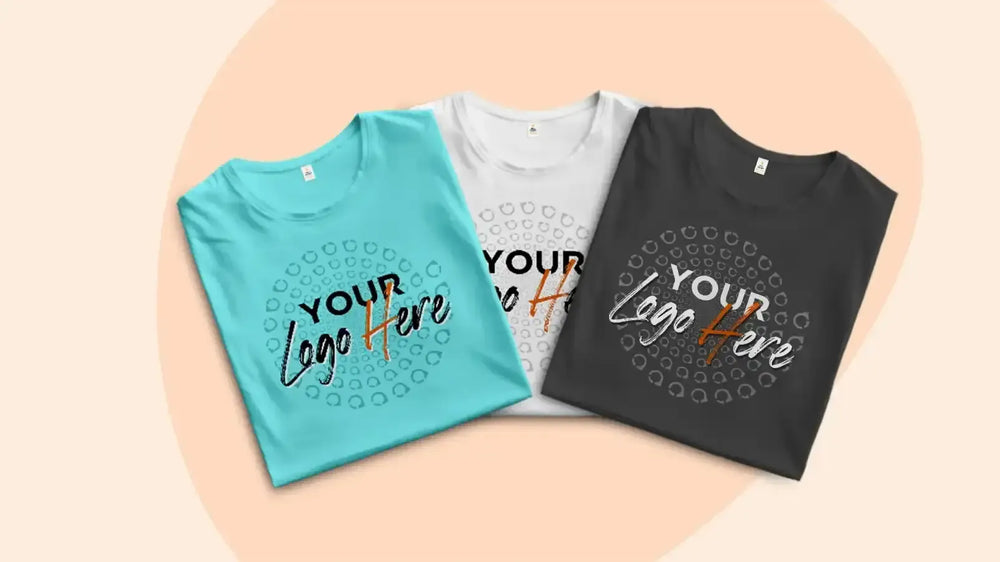
Order a single custom shirt or as many pieces as your business, team, event, or organization needs.
Save more as your quantity increases with volume pricing designed for larger custom apparel orders.
Need it fast? Eligible orders can be printed the same day when product, artwork, and production requirements qualify.
Keep your costs straightforward with no setup fees on qualifying custom printing orders.
Choose from screen printing, DTG, DTF, vinyl, and heat transfer to find the right option for your design.
Need help getting your design print-ready? Our team can review your artwork and assist before production begins.


Cost-effective, durable printing for larger quantities, bold designs, businesses, teams, and events.

Ideal for full-color artwork, fine details, gradients, and smaller custom apparel orders.

Vibrant, detailed transfers that work well across a wide variety of garments and fabric types.

A great choice for personalized apparel, team jerseys, names, numbers, and simple custom graphics.

Volume-focused printing solutions for brands, businesses, resellers, organizations, and large apparel orders.

Get your artwork reviewed, corrected, and optimized to help achieve a cleaner, higher-quality final print.

STEP 01
Browse T-shirts, hoodies, sweatshirts, long sleeves, and more to find the right garment, color, and fit for your project.
STEP 02
Upload your artwork, logo, or graphic, or use our online design tools to personalize your apparel.
STEP 03
Choose your sizes and quantities for an individual order, business, team, event, organization, or larger group event.
STEP 04
Confirm your design and order details. Once everything is ready, we'll move your apparel into production and fulfillment.

Kapolei occupies a distinctive position on Oʻahu. It was deliberately developed as a major urban center for the island's west side, yet the surrounding ʻEwa landscape carries histories and place relationships extending far beyond modern streets, offices, shopping areas, campuses, and residential development. That combination makes Kapolei an interesting setting for custom apparel because many projects are connected with something being established, expanded, introduced, or brought together.
For a new company team, graduating class, family gathering, volunteer program, recreational organization, or independent creator, a useful design approach is to identify the project's anchor. An anchor is not necessarily a logo or landmark. It might be a company service, a family photograph, a student project, a shared phrase, an original illustration, or a specific activity. Once that anchor is established, supporting information can be selected around it instead of assembling unrelated graphics simply to make a shirt look Hawaiian.
Custom One provides online custom t-shirt printing for customers and projects in Kapolei, Hawaii. Eligible orders can range from one custom T-shirt with no minimum to company apparel, family shirts, student projects, volunteer clothing, recreational apparel, creator merchandise, and larger bulk quantities using original, licensed, or appropriately authorized artwork.
A company opening a new department may anchor its apparel in an approved business identity. A family celebration might use an authorized photograph. Students could center a shirt on something they researched or created, while a volunteer organization may choose an original graphic developed specifically for its program.
This does not mean the design needs only one element. It means the other elements have something clear to support. Names, dates, locations, roles, numbers, and secondary artwork can then be evaluated according to whether they help explain the project.
For Kapolei apparel, this approach can be especially useful because the city contains many overlapping settings: government services, businesses, schools, residential communities, recreation, higher education, visitor activity, and major regional development. The shirt does not need to represent all of Kapolei to belong to a Kapolei group.
Planning for Kapolei has long been tied to the idea of creating a major urban center in West Oʻahu, bringing employment, education, government services, commerce, housing, and other opportunities closer to Leeward communities. Today the area includes offices, shopping, healthcare, schools, residential neighborhoods, industrial activity, recreation, and higher education.
That environment creates apparel needs for new employee teams, expanding organizations, professional gatherings, customer promotions, construction-related businesses, community programs, and other projects.
A growing business can use approved company artwork rather than filling its shirt with generic island graphics. A new department might combine an established company identity with accurate department wording, while a customer-facing merchandise project could commission an independent illustration connected with what the business actually provides.
Suitable repeatable company graphics may be considered for screen printing. Businesses preparing larger quantities can explore bulk custom T-shirt printing.
| Project | Possible Anchor | Useful Supporting Information |
|---|---|---|
| Business apparel | Approved company artwork | Department, role, campaign, or appropriate service information |
| Family gathering | Authorized photograph or commissioned family illustration | Names, occasion, year, or family-specific wording |
| Student project | Student-created artwork or project subject | Program, team information, or appropriate event details |
| Volunteer program | Independent program identity | Role, activity, or organization information |
| Recreation | Original team or club graphic | Names, numbers, division, or season information |
| Creator merchandise | Creator-owned artwork | Series name, brand information, or authorized lettering |
The table is a planning tool rather than a production rule. The right combination depends on the people involved, artwork, garment, quantity, and intended use.
Suitable approved organization graphics, company artwork, family designs, and creator merchandise may be considered for custom screen printing, depending on artwork, quantity, garment selection, and production requirements.
Projects involving suitable authorized photographs or selected image-rich artwork may be candidates for direct-to-garment printing. Detailed multicolor digital graphics may be considered for direct-to-film printing.
Suitable names, numbers, roles, and selected lettering may use heat transfer or vinyl printing or another appropriate personalization process.
Quantity, fabric, garment construction, artwork characteristics, image detail, and individualized information should be considered together before an appropriate production method is selected.
Kapolei takes its name from Puʻu o Kapolei, a place associated with Native Hawaiian history and traditional accounts in the ʻEwa region. The modern city therefore exists within a cultural landscape much older than contemporary urban development.
That history deserves more care than using Hawaiian-looking motifs as decoration. Native Hawaiian cultural material, traditional imagery, Hawaiian language, culturally significant patterns, genealogical references, community-specific symbols, historical materials, and work by identifiable Native Hawaiian artists should not be treated as generic design resources.
When Hawaiian words or place names are included, confirmed spelling should be preserved, including appropriate ʻokina and kahakō. Public visibility, historical significance, or finding an image online does not establish cultural authorization or merchandise reproduction rights.
Projects without an appropriate basis for culturally specific material can create original non-cultural artwork around their own business, family, educational project, recreation, photography, food, architecture, landscape, or other legitimate subject.
Kapolei families may create shirts for reunions, birthdays, weddings, anniversaries, graduations, retirement celebrations, memorial gatherings, trips, and other occasions. An authorized family photograph may provide a more personal foundation than a collection of generic tropical symbols.
Another family could commission an illustration of a longtime home, family business, vehicle, garden, occupation, pet, hobby, recipe-related subject, or another detail connected specifically with its history.
Suitable photographic projects can explore a custom photo T-shirt. Families ordering across age groups can also browse custom kids' shirts.
Professional portraits, wedding photographs, school images, event photography, newspaper images, and other third-party material should only be reproduced with appropriate permission. Appearing in a photograph or owning a printed copy does not necessarily establish merchandise reproduction rights.
The University of Hawaiʻi–West Oʻahu was established in 1976 and later expanded into a four-year institution. Its permanent Kapolei campus opened in 2012, strengthening Kapolei's role as an educational center for West Oʻahu.
Students can create apparel around what they actually study and produce. Creative media students might work with original illustrations, photography, or other authorized material. Cybersecurity or technology groups could commission independent graphics connected with their projects, while health science, education, business, sustainability, and other student organizations can develop artwork around appropriate subjects in their fields.
University names, logos, seals, athletic identities, departmental marks, and related branding may be protected. Appropriate authorization should be obtained before reproducing protected educational identities.
Independent student merchandise should not falsely imply official university licensing, sponsorship, endorsement, or institutional approval when no such relationship exists.
Kapolei's regional role brings together government-related offices, healthcare, construction, retail, restaurants, hospitality, professional services, industrial operations, transportation, education, and other employers.
An office may need straightforward staff apparel. A restaurant might want both employee shirts and separate customer merchandise. A contractor may prioritize durable work clothing, while an independent retailer could build a merchandise collection around original artwork.
Those are different projects even when they come from the same city. Garment selection and decoration should reflect actual use rather than assuming every company shirt has identical requirements.
Standard decorated apparel should not automatically be considered high-visibility clothing, flame-resistant workwear, protective equipment, food-safety apparel, sun-protective clothing, or other specialized occupational gear. Employers requiring technical performance properties should verify the specifications of the underlying garment.
Kapolei and surrounding West Oʻahu communities have parks, fields, courts, recreation facilities, walking areas, and other spaces supporting youth and adult activities. Soccer, baseball, softball, basketball, volleyball, running, fitness programs, and other recreation can generate apparel needs for participants, organizers, families, and supporters.
A new club can commission its own central emblem rather than borrowing from a professional or collegiate team. A fitness group may use independent artwork related to its program, while an informal family tournament can develop a graphic specifically for the gathering.
Suitable projects requiring individualized information can explore team T-shirts with numbers.
Professional, collegiate, school, league, tournament, event, facility, and equipment-company marks may require authorization. Participating in an activity does not provide merchandise rights to another organization's branding.
Churches, charities, food programs, environmental initiatives, neighborhood groups, cultural organizations, volunteer teams, and youth programs may need custom apparel for outreach, fundraising, distribution, education, cleanup projects, and recurring community activities.
A food program could commission an original illustration connected with its service. A volunteer team might create an independent program identity, while a youth organization can work with appropriately authorized artwork developed for its participants.
Organizations planning specialized quantities, garment combinations, or production requirements can request a custom apparel quote.
Working with the City and County of Honolulu, the State of Hawaiʻi, a school, university, government agency, cultural organization, nonprofit, business, or another partner does not automatically authorize reproduction of that partner's seals, logos, badges, or protected marks. Apparel should not falsely imply government authority, cultural authority, employment, sponsorship, endorsement, or official affiliation.
A business, family, student organization, volunteer program, recreational group, or community project may have one central design while individual garments contain different names, numbers, departments, titles, or roles.
Suitable projects can explore custom names and numbers. Each person's preferred spelling, capitalization, number, role, garment selection, and size should remain associated with that individual during review.
If Hawaiian names or words appear in personalization, confirm their correct form and preserve appropriate ʻokina and kahakō rather than approximating the spelling.
Organizations should avoid titles that falsely imply professional credentials, government authority, emergency-service status, military status, cultural authority, or another position the wearer does not hold. Groups should also consider whether full names or other identifying information genuinely need to appear publicly, particularly on children's apparel.
Illustrators, photographers, musicians, designers, filmmakers, makers, writers, and independent brands do not need a famous Oʻahu landmark to make locally relevant merchandise. Their own creative work can provide the strongest identity.
A photographer might use creator-owned images of appropriate West Oʻahu subjects. An illustrator can develop an independent graphic series, while a musician may commission artwork specifically for a release. Makers can create designs around products and processes they legitimately control.
Creators testing suitable artwork can explore custom T-shirts with no minimum. Projects with established demand can consider wholesale screen printed T-shirts when appropriate.
Murals, sculptures, album artwork, professional photographs, resort graphics, characters, event identities, cultural works, and other publicly visible creative material can still have identifiable rights holders. Public display does not provide merchandise reproduction rights.
A family portrait, creator-owned landscape image, product photograph, or authorized event image can provide enough visual information to carry an entire design. That makes the quality of the source especially important.
Whenever possible, locate the strongest legitimate photograph from the original camera, phone, computer, cloud library, scan, external storage, or photographer delivery. Examine faces, landscapes, products, architecture, artwork, lettering, highlights, shadows, and other important areas near the intended reproduction size.
Increasing the dimensions of a heavily compressed screenshot cannot recreate information already discarded. A stronger legitimate original generally provides a better starting point.
Technical quality and reproduction permission remain separate considerations. Professional portraits, wedding photography, school images, event photographs, tourism photography, archival material, and other third-party images should only be reproduced with appropriate authorization.
If a business logo, family graphic, organization mark, or creator design is central to the project, rebuilding it from a screenshot should not be the first option. A stronger legitimate file may already exist.
Check designer folders, business archives, original photography, cloud storage, external drives, email attachments, and previous authorized project packages. If several versions exist, confirm which one is intended for the current use.
Eligible projects can explore design review and repair. Selected graphics may also benefit from an art repair and file recovery service.
Technical cleanup does not create copyright, trademark, publicity, cultural, government, educational, licensing, or other reproduction rights. Authorization remains a separate requirement.
A family might need products for children and adults. A company may combine standard employee shirts with other apparel. A creator could offer multiple garment styles carrying the same original artwork, while a volunteer project may need options for participants with different preferences.
Customers can browse standard shirts alongside custom tank tops, custom V-neck T-shirts, custom long-sleeve shirts, custom kids' shirts, and custom hoodies with no minimum.
Necklines, seams, printable dimensions, fabric composition, garment construction, and available decoration areas can vary. Suitable artwork should be reviewed for each selected product rather than assuming identical dimensions and placement will work everywhere.
Standard custom apparel should not automatically be considered UPF-rated sun-protective clothing, high-visibility apparel, waterproof gear, flotation equipment, flame-resistant workwear, or other protective equipment unless those properties are specifically provided by the underlying garment.
A logo may perfectly represent an organization but still belong to another entity. A photograph can be personally meaningful while remaining copyrighted by a photographer. A cultural reference can be locally significant without being appropriate for unrestricted commercial reproduction.
Business trademarks, school and university marks, government seals, military insignia, professional and collegiate sports identities, photographs, characters, event graphics, resort identities, public artwork, and other third-party works may require appropriate authorization.
Native Hawaiian cultural material deserves particular care in Kapolei and throughout Hawaiʻi. Hawaiian language, traditional imagery, culturally significant patterns, genealogical references, community-specific symbols, organization marks, historical material, and works by identifiable Native Hawaiian artists should not be treated as generic merchandise resources. Public visibility is not permission.
Original non-cultural illustration, creator-owned photography, properly licensed resources, approved organization artwork, and commissioned graphics with suitable usage rights can create distinctive Kapolei apparel without falsely suggesting cultural authority, sponsorship, licensing, government affiliation, institutional approval, employment, endorsement, or official status.
Business openings, family celebrations, graduations, volunteer programs, recreational events, performances, fundraisers, and creator releases can have fixed dates. For a Kapolei project, carrier transit to Hawaiʻi should be considered separately from production speed.
Qualifying projects can explore same-day shipping custom apparel. Same-day shipping means an eligible order is dispatched within the applicable timeframe. It does not mean guaranteed same-day delivery to Kapolei, Hawaii.
Artwork readiness, personalization, cutoff times, garment availability, production eligibility, destination, carrier schedules, weather, and transit conditions can affect arrival. Customers preparing apparel for a fixed date should review same-day shipping information and allow appropriate carrier transit time after dispatch.
Kapolei's modern role as a major West Oʻahu center has brought together homes, businesses, government services, higher education, shopping, workplaces, parks, recreation, and continuing development. At the same time, the name Kapolei and the broader ʻEwa landscape connect the modern city with a much older Native Hawaiian history that should be approached with accuracy and respect.
A company can anchor apparel in an approved identity or something specific it provides. A family can use an authorized photograph or a commissioned illustration connected with its own history. Students can center shirts on what they research and create, while volunteers can develop independent artwork around their programs. Recreational groups can establish their own identities, and photographers, illustrators, musicians, filmmakers, makers, and other creators can build merchandise around original work they legitimately control.
Custom t-shirt printing in Kapolei, Hawaii can support businesses, families, students, churches, nonprofits, volunteers, recreational organizations, artists, photographers, musicians, makers, and independent brands. Eligible projects can range from one personalized garment to bulk custom apparel involving multiple products, sizes, names, numbers, departments, and roles.
Custom One provides online options for screen printing, DTG, DTF, heat transfer vinyl, photo shirts, custom names and numbers, no-minimum apparel, and bulk printing. Original or appropriately authorized artwork, careful treatment of Hawaiian language and cultural material, accurate personalization, strong source files, suitable garments, appropriate production choices, and realistic shipping expectations can help create Kapolei apparel with a clear center rather than a collection of interchangeable local symbols.