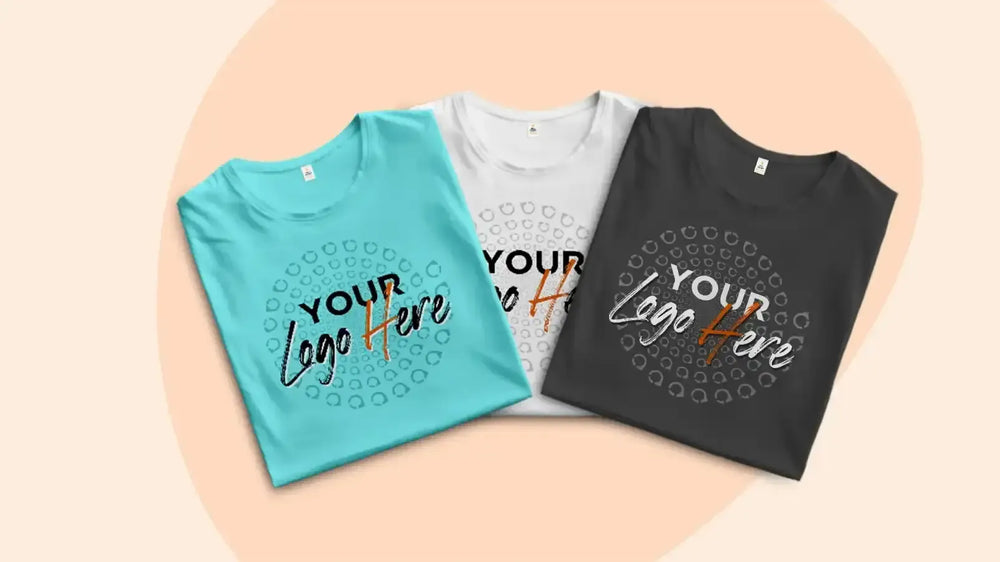









Custom T-Shirt Printing in Mililani Town, Hawaii – Screen Printing, DTF, DTG, and Personalized Apparel
Mililani Town is one of Oʻahu's best-known planned communities, located in Central Oʻahu between the island's urban south and North Shore. Developed beginning in the late 1960s, the community was designed with homes, schools, shopping, recreation centers, parks, walkways, and other everyday services incorporated into a larger residential plan. That structure gives Mililani Town a different character from a neighborhood that expanded around a single historic commercial center.
Custom apparel projects here can take a similar approach by thinking in terms of a complete kit rather than a single isolated graphic. A project might need a central shirt design, participant names, organizer identification, children's sizes, warmer layers, event-specific information, or merchandise versions. Not every project needs every component. The useful question is which pieces belong together and which should remain separate.
Custom One provides online custom t-shirt printing for customers and projects in Mililani Town, Hawaii. Eligible orders can range from one custom T-shirt with no minimum to family apparel, school projects, employee shirts, recreational clothing, community programs, creator merchandise, and larger bulk orders using original, licensed, or appropriately authorized artwork.
Think beyond One Shirt When the Project Has Several Participants
A family gathering may involve adults, teenagers, and children. A volunteer program can include organizers and general participants. A business may need everyday employee shirts plus separate promotional merchandise. A recreational organization might use a shared graphic while adding names or numbers for individual participants.
These projects do not necessarily require completely different designs. Instead, organizers can establish a central visual identity and decide which additional components are genuinely needed. One group might need only a front graphic. Another could need a front identity, individualized back information, and several garment types.
This approach keeps complexity tied to an actual purpose. Additional printing locations, personalization, or apparel styles should solve a project requirement rather than simply filling available space.
Mililani Town Was Developed as a Planned Community
The Mililani Town Association dates to 1968, the period when development of the modern community began. Mililani was planned to include residential areas alongside community facilities, employment areas, parks, open spaces, and other uses rather than functioning only as a collection of detached homes. Today, Mililani Town and neighboring Mililani Mauka include schools, shopping areas, restaurants, churches, healthcare services, professional offices, parks, walkways, and recreation facilities.
That history can inspire apparel without turning a subdivision map into the default design. Neighborhood groups can commission artwork connected with their own activity. Families may use personal material. Businesses can emphasize their own brands, while recreational groups can create identities that work at different facilities.
Association logos, official community graphics, maps, architectural plans, published photographs, and other organizational materials should not automatically be treated as unrestricted merchandise resources. Living in a community or participating in its activities does not necessarily provide reproduction rights to the association's identity.
Business Apparel Can Be Built as a Small Coordinated Set
Mililani Town's commercial areas support restaurants, retailers, professional services, healthcare, contractors, financial services, personal services, independent makers, and other businesses serving Central Oʻahu residents.
An organization may want straightforward employee apparel using its approved identity. A second version could support an anniversary, fundraiser, promotion, or customer merchandise program. A restaurant might commission an original illustration related to its specialty, while an independent maker can develop merchandise from products or artwork it legitimately controls.
Suitable repeatable business graphics may be considered for screen printing. Businesses preparing larger quantities can explore bulk custom T-shirt printing.
Standard decorated shirts should not automatically be treated as high-visibility clothing, medical protective apparel, flame-resistant workwear, chemical-resistant garments, food-safety equipment, or another specialized occupational product. Employers requiring technical properties should verify the specifications of the underlying garments.
Match Each Part of the Project with an Appropriate Printing Option
- Screen printing: Suitable repeatable organization, business, family, event, and merchandise graphics may be considered for custom screen printing, depending on artwork, garments, quantities, and production requirements.
- DTG printing: Suitable authorized photographs and selected image-rich graphics may be candidates for direct-to-garment printing, depending on garment and image characteristics.
- DTF printing: Suitable detailed digital illustrations and multicolor artwork may be considered for direct-to-film printing.
- Heat transfer and vinyl: Suitable names, numbers, departments, roles, and selected lettering may use heat transfer or vinyl printing or another appropriate personalization method.
One project can contain several types of information, but that does not mean every production technique must be combined. Quantity, artwork characteristics, garment construction, fabric, personalization, and intended use should guide the production decision.
Recreation Is Built into Mililani's Community Structure
Mililani Town Association operates multiple recreation centers and provides recreational, educational, and leisure programs for its members. The wider area also includes City and County of Honolulu parks and facilities supporting activities such as swimming, tennis, pickleball, basketball, field sports, exercise, and other recreation.
A family participating in a recreational program may need only personal shirts. An independent sports group could commission an original emblem. A community activity might require organizer apparel, while a recreational team could combine a central design with participant numbers.
Suitable projects requiring individualized information can explore team T-shirts with numbers.
Mililani Town Association graphics, City and County of Honolulu identities, school marks, league logos, tournament identities, facility branding, and equipment-company trademarks may require authorization. Using a recreation center or public park does not provide merchandise rights to its official identity.
Family Apparel Can Combine Shared and Person-Specific Pieces
Mililani Town families may create shirts for reunions, birthdays, weddings, anniversaries, graduations, retirement celebrations, memorial gatherings, vacations, and other occasions. A central family graphic can provide continuity while garment types and selected personalization accommodate different participants.
Personal material can make the design specific without relying heavily on geographic imagery. An authorized family photograph, commissioned illustration of a longtime home, family business, occupation, vehicle, garden, pet, favorite object, or shared activity can provide a meaningful centerpiece.
Suitable photographic projects can explore a custom photo T-shirt. Families ordering across age groups can also browse custom kids' shirts.
Professional wedding photography, school images, studio portraits, event photography, newspaper photographs, and other third-party material should only be reproduced with appropriate permission. Possessing a physical photograph or appearing in the image does not necessarily establish merchandise reproduction rights.
Student Groups Can Build Apparel around Their Own Projects
Students in and around Mililani may create apparel for academic clubs, science and technology activities, performing arts, publications, service projects, student leadership, graduation groups, competitions, and recreational programs.
An engineering or robotics group can create artwork from something participants designed. A student publication might commission an independent graphic. Musicians and performers can develop authorized production artwork, while student photographers, filmmakers, writers, and visual artists may work with material they created or are appropriately authorized to reproduce.
A larger student group might need a common design plus individual names or roles. A smaller project may need only the artwork itself. The number of components should follow the actual activity.
School and university names, logos, seals, mascots, athletic identities, departmental marks, and related branding may be protected and can require authorization. Independent student merchandise should not falsely imply official licensing, sponsorship, endorsement, or institutional approval.
Community Projects Can Separate Organizer Needs from Participant Needs
Churches, charities, food programs, neighborhood groups, cultural organizations, health initiatives, environmental projects, youth programs, and volunteer teams may need apparel for outreach, fundraising, education, distribution, community events, and recurring services.
An organizer may need clear identification while general participants need only the central project artwork. Volunteers handling different tasks can use appropriate role wording where it genuinely improves coordination. Supporter merchandise may omit operational information entirely.
Organizations planning specialized quantities, garment combinations, or production requirements can request a custom apparel quote.
Working with the City and County of Honolulu, State of Hawaiʻi, a school, government agency, healthcare organization, nonprofit, homeowners association, or business does not automatically authorize reproduction of that partner's seals, logos, badges, or protected marks. Independent apparel should not falsely imply government authority, employment, sponsorship, endorsement, or official affiliation.
Hawaiian Language Deserves Accurate Treatment on Apparel
Hawaiian place names and other ʻōlelo Hawaiʻi may include the ʻokina and kahakō. When Hawaiian words are intentionally included in a Mililani Town design, organizers should verify spelling and diacritical marks from reliable sources rather than deleting marks for convenience or guessing from an unverified graphic.
The name Mililani itself has a history worth distinguishing from assumptions about the area. Modern Mililani Town received its name during development rather than simply carrying forward an ancient place name for the exact modern community. Local accounts connect the name with the legacy of John Papa ʻĪʻī and his family, whose history is associated with nearby Waipiʻo.
That background is a reminder that Hawaiian names have histories and meanings beyond their decorative appearance. A word should not be selected simply because it appears visually Hawaiian.
When a project uses Hawaiian language connected with a specific cultural concept, genealogy, chant, traditional practice, or community history, appropriate knowledge and authorization can matter in addition to spelling.
Native Hawaiian Cultural Material Is Not a Generic Design Library
Central Oʻahu has a history that extends far beyond the development of modern Mililani Town. Native Hawaiian relationships with ʻāina, place names, land divisions, agriculture, genealogy, governance, cultural practices, and community life belong to histories much older than the planned residential community.
Native Hawaiian cultural material should therefore not be treated as interchangeable “island” decoration. Traditional imagery, genealogical references, culturally significant patterns, chants, historical materials, organization marks, community-specific symbols, and works by identifiable Native Hawaiian artists may involve cultural responsibilities or identifiable rights holders.
Public visibility, museum display, historical publication, social-media circulation, archival access, or appearance on another souvenir does not establish permission to reproduce cultural material on merchandise.
Projects without the relevant authority can use original non-cultural subjects instead: creator-owned landscape photography, personal family material, original botanical or recreational illustrations where appropriate, business-specific graphics, abstract artwork, or commissioned designs with suitable usage rights.
Add Individual Components Only Where They Provide Useful Information
A family might add first names. A recreational group may require numbers. A volunteer program could distinguish coordinators from general volunteers, while a business may need departments or employee roles.
Suitable projects can explore custom names and numbers. Each person's preferred spelling, capitalization, number, department, role, garment selection, and size should remain associated with that individual during review.
Personalization should not be copied automatically from an old order. Participant numbers, preferred names, departments, roles, and sizes can change even when the central artwork remains the same.
Organizations should avoid titles that falsely imply medical credentials, government authority, law-enforcement status, emergency-service status, military status, or another position the wearer does not hold. Full names and other identifying information should also be considered carefully on children's apparel.
Military Connections Require Care with Official Marks
Central Oʻahu's location places Mililani within a wider region that includes military installations and many military-connected households. Families, informal groups, reunions, farewell gatherings, and personal events may therefore generate apparel projects with military themes.
Original family artwork or personal designs can commemorate an occasion without automatically reproducing official military material. U.S. military seals, unit insignia, badges, emblems, official logos, uniforms, government marks, and other protected identifiers may require authorization and should not be used in a way that falsely suggests official status or endorsement.
A service member's participation in a unit does not necessarily provide unrestricted commercial merchandise rights to the unit's insignia or other government-controlled marks.
Creators Can Assemble a Merchandise Range without Overloading One Garment
Mililani photographers, illustrators, musicians, designers, filmmakers, writers, makers, and independent brands may want more than one product around a single creative idea. The primary shirt can carry the central artwork, while another garment may use a smaller variation or different authorized composition.
A photographer might use creator-owned Central Oʻahu landscape imagery. An illustrator can build a series from original work. Musicians may commission artwork for releases or performances, while makers can create merchandise related to products and processes they legitimately control.
Creators testing suitable artwork can explore custom T-shirts with no minimum. Projects with established demand can consider wholesale screen printed T-shirts when appropriate.
Murals, professional photographs, characters, album artwork, cultural imagery, organization graphics, commercial illustrations, and other publicly visible creative works can still have identifiable rights holders. Public visibility does not provide merchandise reproduction rights.
Photo Projects Need a Strong Image before They Need Extra Decoration
A family photograph, creator-owned landscape image, authorized event photograph, or business image may already contain substantial visual information. Additional dates, borders, slogans, names, and decorative elements should not automatically be added simply because space remains.
Locate the strongest legitimate source from the original camera, phone, computer, cloud library, negative or print scan, external storage, photographer delivery, or authorized archive whenever possible. Examine faces, landscapes, products, buildings, lettering, highlights, and shadows near the intended reproduction size.
Increasing the dimensions of a heavily compressed screenshot cannot recreate information already discarded. A stronger legitimate original generally provides a better starting point.
Technical quality and reproduction permission remain separate considerations. Professional portraits, wedding photography, school images, event photography, news photographs, museum resources, and archival material should only be reproduced with appropriate authorization.
Organize the Pieces before Combining Them
A multi-part apparel project may include a central logo or illustration, an authorized photograph, participant information, event wording, sponsor material, and several garment selections. Keeping these pieces distinguishable during review makes it easier to identify what is approved and what still requires attention.
Check designer folders, organization archives, cloud storage, external drives, email attachments, original photography, and previous authorized production packages when locating source files. Confirm which graphics are approved rather than relying solely on file names such as “final” or “latest.”
Eligible projects can explore design review and repair. Selected graphics may also benefit from an art repair and file recovery service.
Technical cleanup, tracing, rebuilding, redrawing, or format conversion does not create copyright, trademark, publicity, cultural, government, educational, licensing, or other reproduction rights. Authorization remains a separate requirement.
A Coordinated Apparel Set Does Not Require Identical Garments
Mililani's elevation and Central Oʻahu location can bring different conditions from coastal areas, and a project may also move between indoor and outdoor settings. More importantly, participants themselves can have different garment preferences.
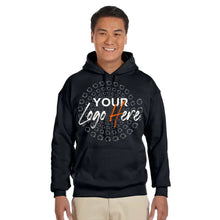
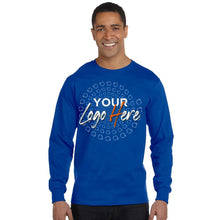
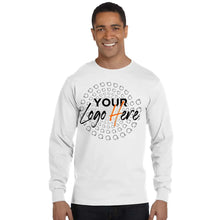
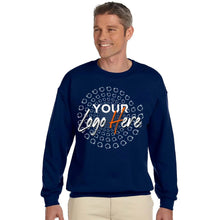
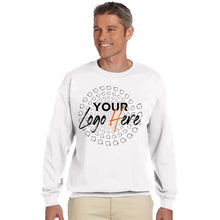
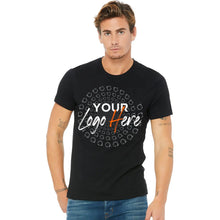
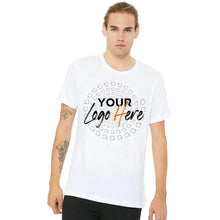
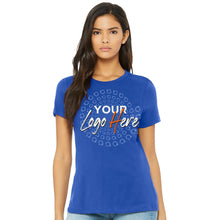
Customers can browse standard shirts alongside custom V-neck T-shirts, custom tank tops, custom long-sleeve shirts, custom kids' shirts, and custom hoodies with no minimum.
Necklines, seams, printable dimensions, fabric composition, garment construction, and available decoration areas can vary. A coordinated group can therefore use related artwork across different products without assuming that identical dimensions will work on every garment.
Complete the Whole Apparel Set before the Event Date
Family gatherings, school activities, community programs, business promotions, recreational events, performances, graduations, fundraisers, and merchandise releases can have fixed dates. When a project contains several garment types or personalized versions, artwork approval is only one part of readiness.
Qualifying projects can explore same-day shipping custom apparel. Same-day shipping means an eligible order is dispatched within the applicable timeframe. It does not mean guaranteed same-day delivery to Mililani Town, Hawaii.
Artwork readiness, personalization, cutoff times, garment availability, production eligibility, destination, carrier schedules, weather, and transit conditions can affect arrival. Shipping to Oʻahu also requires appropriate carrier transit time after dispatch. Customers preparing apparel for a fixed date should review same-day shipping information and plan accordingly.
Build Mililani Town Custom Apparel from the Pieces the Project Actually Needs
Mililani Town was deliberately developed with multiple parts of community life considered together: residences, recreation, schools, shopping, services, parks, walkways, and other shared facilities. Custom apparel can benefit from its own version of that discipline without becoming unnecessarily complicated.
A family project might combine one central illustration with adult and children's garments. A business can distinguish employee apparel from customer merchandise. Student organizations can create graphics around their own work while adding participant information only where useful. Volunteer programs can identify organizers without turning every shirt into an information board. Recreational groups may combine a shared identity with numbers, while Mililani creators can develop related merchandise from original work they control.
Custom t-shirt printing in Mililani Town, Hawaii can support businesses, families, students, churches, nonprofits, volunteers, recreational groups, photographers, artists, musicians, makers, and independent brands. Eligible projects can range from one personalized garment to bulk custom apparel involving multiple products, sizes, names, numbers, departments, and roles.
Custom One provides online options for screen printing, DTG, DTF, heat transfer vinyl, photo shirts, custom names and numbers, no-minimum apparel, and bulk printing. Original or appropriately authorized artwork, accurate Hawaiian language, respectful treatment of Native Hawaiian cultural material, careful handling of military and institutional marks, organized personalization, suitable garment choices, and realistic shipping expectations can help create Mililani Town apparel in which every component has a reason to be there.