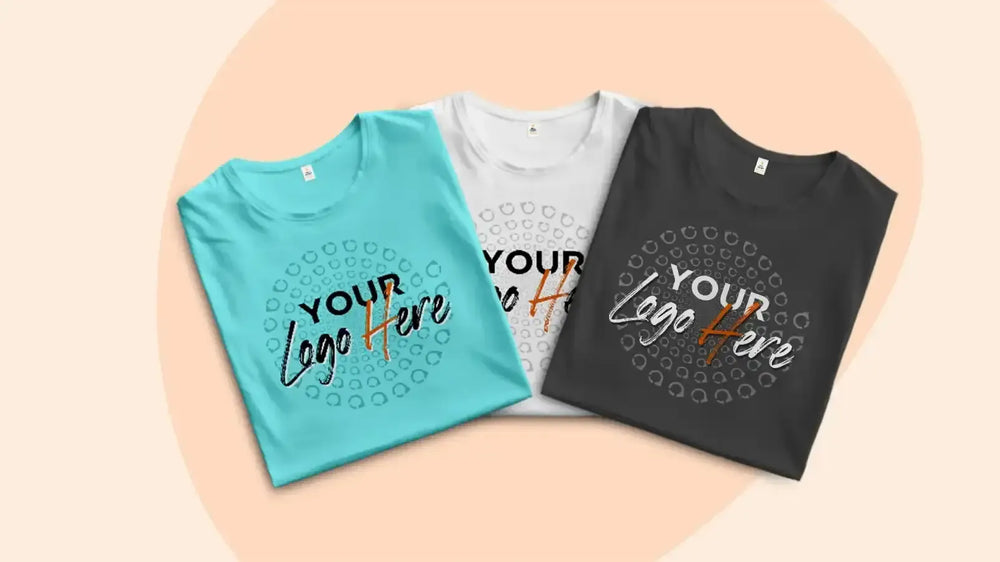
Why Choose Custom One for Your Brunswick, ME Order?
No Minimum Order
Order a single custom shirt or as many pieces as your business, team, event, or organization needs.
Bulk Order Discounts
Save more as your quantity increases with volume pricing designed for larger custom apparel orders.
Same-Day Printing
Need it fast? Eligible orders can be printed the same day when product, artwork, and production requirements qualify.
No Setup Fees
Keep your costs straightforward with no setup fees on qualifying custom printing orders.
Multiple Printing Methods
Choose from screen printing, DTG, DTF, vinyl, and heat transfer to find the right option for your design.
Free Art Repair & Review
Need help getting your design print-ready? Our team can review your artwork and assist before production begins.
Get Inspired for Your Brunswick Order
1 / of4
Brunswick, ME Custom Printing: See Why Customers Choose Custom One
The site is easy to use. In quickly designed 4 different custom shirts in minutes. Customer service was helpful and quickly responsive when I wanted to increase the shirt quantity. The shirts arrived in a couple days and were exactly as expected.
Shelly
✅ Verified Review
I love the product fits well very well made just love it
Bonchies
✅ Verified Review
They did a unbelievable job. I'll be shoping with them a long time. Thanks Custom One!
garry hunt
✅ Verified Review
It is so convenient and easy to design your own brands and logos
1morenote
✅ Verified Review
1 / of4
How to Choose the Best Custom Printing Service for Your Brunswick, ME Order
Screen Printing
Cost-effective, durable printing for larger quantities, bold designs, businesses, teams, and events.
How do I compare two blank T-shirt brands before choosing one for printing?
Compare the fabric composition, weight, fit, size chart, color availability, construction, and price of each garment. Consider how the shirt feels, how well it accommodates your design, and whether the selected style is appropriate for your customers or event. For larger projects, reviewing manufacturer specifications or obtaining samples can help you make a more informed decision.
Can I request information about where my blank T-shirts are manufactured?
Country-of-origin information is generally provided on garment labels and may also appear in manufacturer specifications. If sourcing transparency is important to your project, contact Custom One with the specific apparel style you're considering. Our team can help you locate available manufacturer information, including country of origin and other published product details.
What type of custom T-shirts are suitable for restaurant kitchen staff?
Restaurant kitchen staff often benefit from comfortable, breathable garments that allow freedom of movement. Cotton and cotton-blend T-shirts may be suitable depending on the workplace environment and uniform policy. Custom One can help you create branded shirts featuring your restaurant logo or business name. Always consider heat exposure, laundering requirements, and applicable food-service safety standards when choosing kitchen workwear.
Can I print a design on both the front and back of a T-shirt?
Yes! You can customize both the front and back of your T-shirt with different designs, logos, graphics, or text. Front-and-back printing is popular for business uniforms, sports teams, event merchandise, and promotional apparel. Additional printing locations may affect the final price.
Custom T-Shirt Printing in Brunswick, Maine
Custom apparel often has more than one audience. The person wearing the shirt experiences the garment one way, while coworkers, teammates, event attendees, customers, friends, or family members see its message from another perspective. A business shirt can identify both an organization and the person representing it. A team design can create a shared identity while still distinguishing individual players. A photo shirt may tell a personal story that becomes meaningful when someone looks more closely. Custom One Online serves Brunswick, Maine customers creating custom apparel for these different kinds of communication.
Planning from the audience outward provides a useful alternative to beginning with a list of printing options. Think about who will see the apparel, what they should understand first, and what information only matters after they look more closely. That sequence can guide design scale, text, personalization, garment selection, and production while keeping the finished shirt focused on its actual purpose.
Decide What a Viewer Should Understand in the First Few Seconds
Most people will not study a shirt immediately. They notice its strongest visual signal first. That may be a company name, organization mark, team identity, family graphic, event title, illustration, or another central element.
For a Brunswick business, the first impression might need to establish the company identity clearly while an employee is interacting with customers or participating in an activity. A team can use its shared name or symbol as the visual anchor. Family apparel can lead with a surname, reunion graphic, destination, or phrase that connects the group.
This first layer benefits from hierarchy. If a logo, long slogan, event date, several decorative graphics, names, and supporting information all demand equal attention, the viewer has no obvious starting point.
Customers developing their own concepts can explore create-your-own apparel and build the design around the element that deserves to be understood first.
Use the Second Look for Information That Adds Context
Once the primary identity is established, a second layer can explain more. This is where a date, location reference, department, role, short phrase, player number, family year, or supporting message can become useful.
The secondary layer should contribute something the main graphic cannot communicate alone. An event title may establish what the shirt represents, while a year provides context. A business logo identifies the company, while an employee role explains who the wearer is. A team mark creates shared identity, while a number distinguishes the player.
Not every project needs this additional information. A strong illustration or simple company mark may already accomplish the intended job. Supporting text earns its place when it improves understanding rather than simply occupying available space.
This approach can also make designs easier to reuse. The core graphic can remain stable while a smaller piece of information changes for another year, participant, role, or version of the project.
Choose a Printing Direction Based on the Visual Language
Different artwork communicates in different ways. A bold repeated mark has different needs from a detailed digital illustration, and personalized lettering performs another job entirely. Thinking about those visual differences can make printing choices easier to understand.
Repeated Group Graphics
A suitable logo, organization design, team identity, fundraiser graphic, or event mark that needs to repeat across multiple garments can lead customers toward screen printing. The repeated artwork can become the common visual language connecting the group.
Detailed Digital Artwork
Suitable illustrations and detailed digital graphics can be considered for direct-to-garment printing. Customers can also explore direct-to-film printing for suitable artwork, logos, event graphics, and merchandise concepts.
Information That Changes
Names, numbers, and selected lettering serve a different purpose because their content can change between wearers. Separating this information from the shared graphic can help a group maintain one identity while still communicating individual details.
The production method should follow the artwork, garment, quantity, and intended result rather than forcing every visual idea into the same process.
Remember That the Design Will Be Seen on a Moving Person
A shirt is not a poster hanging on a flat wall. The wearer moves, turns, sits, walks, and interacts with other people. Garment shape therefore becomes part of how the design is experienced.
A standard T-shirt can provide a familiar foundation for business apparel, events, teams, personal projects, and merchandise. Other garments change the available visual surface and the way the finished piece is worn.
Warm-weather, casual, fitness, and creative projects can consider custom tank tops, while groups containing younger wearers can include custom kids' shirts.
A Brunswick family or organization can carry one central design across several garment types, but the graphic should still feel appropriate on each apparel shape. Consistency comes from the visual relationship between the pieces, not from requiring every wearer to choose an identical garment.
Some Designs Are Meant for a Much Smaller Audience
A personal shirt does not always need to communicate to a room full of strangers. Its audience may be one wearer, a family, a group of friends, or people who understand a specific reference.
A customized birthday design, hobby graphic, personal illustration, announcement, inside joke, gift, or meaningful phrase can therefore be highly specific. Customers creating one piece or a limited quantity can explore custom T-shirts with no minimum.
These projects can use language or imagery that would make little sense as general merchandise but carries strong meaning for the intended audience. That specificity is not a weakness. It is part of what makes personal apparel useful.
A small project can also allow an artist, club, organization, or individual to explore one idea before deciding whether it should eventually become a larger apparel concept.
Let a Photograph Invite a Closer Conversation
Photo apparel is often designed to be viewed more closely than a large logo or event title. The viewer notices the image, recognizes the person or memory, and then reads supporting information around it.
A custom photo T-shirt can feature a graduation portrait, family photograph, friendship picture, pet image, travel memory, memorial photograph, or another personally meaningful image.
Names, dates, years, captions, and short messages can provide context, but the photograph should remain visually important when it is the reason for creating the shirt.
The exact source image matters. Similar photographs can differ in crop, expression, orientation, background, and open space. Those characteristics affect how easily the image can share the garment with supporting text.
For Brunswick customers creating memory apparel, a useful design often lets the photograph begin the story and allows the surrounding wording to explain only what the viewer needs to know next.
Design Merchandise for People Who May Not Know the Backstory
Merchandise has to travel beyond its creator. Someone may see the garment without knowing the artist, organization, club, event, or original context behind it. The design should therefore be able to stand on its own as an intentional visual object.
An illustrator can use recognizable artwork. An independent brand can develop a consistent graphic language. A club or organization can create apparel whose identity remains visible even when it is worn away from a specific activity.
A focused merchandise range can begin with one design on a small selection of garments. Additional graphics and apparel can be introduced when they expand the idea rather than make its identity harder to recognize.
This does not mean merchandise must always be literal. An expressive illustration can communicate through style, color relationships, typography, or imagery. The important point is that the garment should still feel purposeful when the wearer is no longer surrounded by the original context.
Improve the Source When Weak Artwork Interferes With Recognition
A strong visual idea can lose clarity when the available artwork is difficult to use. A business may have an older logo file. A family design might come from a source that needs cleanup. A creator may have an illustration that requires preparation before important features can be presented effectively.
Artwork quality directly affects communication. If defining features become unclear or lettering is difficult to interpret, the viewer may not receive the intended message.
The information inside the design should also be reviewed. Company names, organization wording, personal names, dates, years, slogans, event titles, and captions need to be correct before the artwork is used across additional garments.
For Short Timelines, Concentrate the Message
Time-sensitive projects can benefit from a concentrated visual idea. A birthday, graduation, reunion, competition, fundraiser, trip, company activity, promotional program, or organization event may create a situation where essential communication matters more than optional design complexity.
Under a compressed schedule, identify what the viewer absolutely needs to understand. It may be an event name, business identity, team graphic, photograph, date, or personalized detail. Supporting elements can remain limited if they do not materially improve that message.
The required apparel date may also occur before the occasion itself. If shirts are needed earlier for preparation, travel, organization, or another activity, that earlier requirement should shape the project.