








Custom T-Shirt Printing in Davenport, Iowa – Screen Printing, DTF, DTG, and Personalized Apparel
Davenport occupies the Iowa side of the Mississippi River at the center of the Quad Cities, where river commerce, rail transportation, manufacturing, immigration, neighborhoods, arts, education, healthcare, and generations of family life have shaped the community. Founded in the 1830s and named for Colonel George Davenport, the city developed into a major eastern Iowa commercial and industrial center. Its location opposite Rock Island also made Davenport part of a regional story that has always crossed municipal and state boundaries.
For custom apparel, Davenport offers a useful principle: decide what must remain accurate even after the design becomes simplified. A detailed historical account may become four lines and a date on a shirt. A complex family archive may become one photograph and a surname. A business with many services may use only its logo and department name. A recreational event might reduce an entire route to a compact graphic. Simplification is often necessary for apparel, but the most important facts, identities, permissions, and distinctions should remain intact.
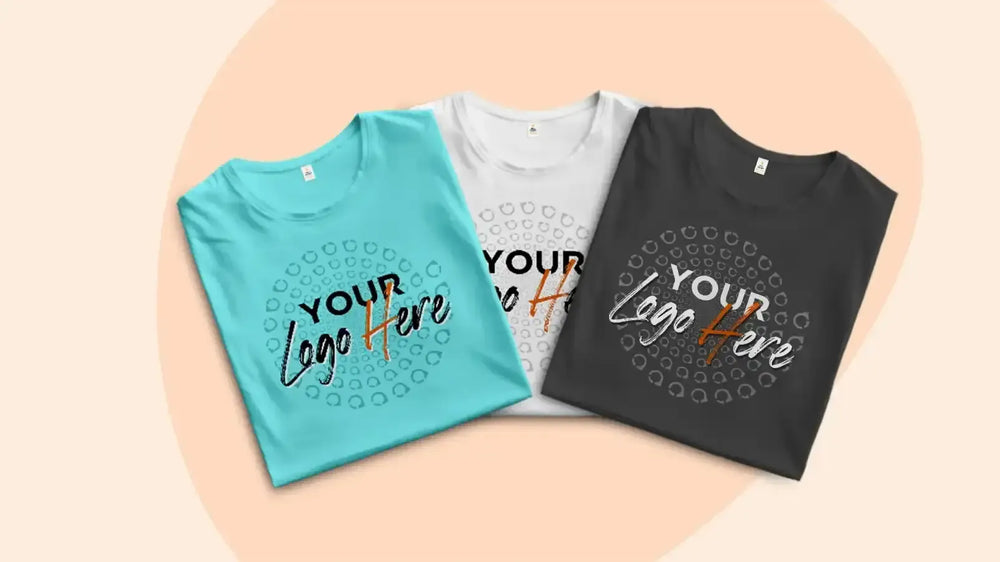
Custom One provides online custom t-shirt printing for customers and projects in Davenport, Iowa. Eligible projects can range from one custom T-shirt with no minimum to business apparel, family shirts, volunteer clothing, recreational garments, creator merchandise, event apparel, and larger bulk custom T-shirt orders using original, licensed, or appropriately authorized artwork.
A Shirt Usually Has Less Space Than the Story Behind It
Suppose a Davenport family has six generations of history connected with the river. Their archive may contain occupations, addresses, photographs, immigration records, marriages, businesses, and dozens of names. Trying to place everything on one shirt can make the design unreadable. Choosing one authorized photograph, the family surname, a meaningful date, and a short line about Davenport may communicate the occasion more effectively.
The challenge is deciding what cannot be lost during that simplification. If the date is historically important, verify it. If the photograph belongs to a professional photographer, address permission. If an organization is named, use its identity accurately. If Indigenous history is involved, do not compress distinct living peoples into a generic regional symbol.
Good simplification removes excess information without changing the meaning of what remains.
The Mississippi River Is Central to Davenport's Development
Davenport developed along the Mississippi River, which initially provided one of the region's most important routes for moving people, agricultural products, lumber, manufactured goods, and other cargo. River commerce contributed substantially to the growth of Davenport and neighboring Quad Cities communities during the nineteenth century.
The Mississippi remains an obvious subject for independent Davenport apparel, but the design does not have to reproduce an existing city, tourism, park, or event graphic. Creators can develop original wave forms, independently drawn river geometry, bridge-inspired patterns, botanical imagery, or creator-owned photography.
Professional river photographs, published maps, government graphics, tourism identities, event logos, trail maps, and another artist's Mississippi River illustration may have separate reproduction conditions. A geographic feature can inspire countless original interpretations without making every existing depiction of it available for merchandise.
Match the Printing Process to What the Design Actually Contains
- Screen Printing
- Suitable repeatable company graphics, organization identities, family designs, event artwork, and merchandise may be considered for screen printing, depending on quantity, garment, artwork, and production requirements.
- Direct-to-Film Printing
- Suitable detailed digital illustrations and multicolor graphics may be considered for DTF printing.
- Direct-to-Garment Printing
- Suitable authorized photographs and selected image-rich artwork may be candidates for DTG printing, depending on image and garment characteristics.
- Heat Transfer and Vinyl
- Suitable names, numbers, departments, roles, and selected lettering may use heat transfer or vinyl printing or another appropriate personalization process.
Quantity, fabric composition, garment construction, artwork characteristics, personalization, intended use, and production requirements should be considered together. Simplifying an illustration for printing is different from simplifying the story inaccurately; production decisions should preserve the information that actually matters.
Davenport's Founding Is Closely Connected with Antoine LeClaire
Davenport's early development is associated with Antoine LeClaire, an important figure in the nineteenth-century history of the Quad Cities. Following the Black Hawk War and the 1832 treaty involving the United States, Sauk, and Meskwaki, LeClaire acquired land along the Mississippi. Davenport was laid out in 1836 on part of that land and named for Colonel George Davenport.
LeClaire and his wife, Marguerite, became prominent in the developing community, and historical materials connected with their lives remain part of local collections and research.
A local-history shirt can communicate the founding period through original typography, independently created river imagery, researched dates, or newly commissioned historical illustration. Historical photographs, portraits, archival documents, museum reproductions, and existing illustrations should not be assumed to be unrestricted merchandise material merely because their subject belongs to local history.
The First Railroad Bridge across the Mississippi Changed Transportation
Davenport played an important role in nineteenth-century transportation history when a railroad bridge connected the Iowa side of the Mississippi with Rock Island. The first train crossed the completed bridge in April 1856, creating a rail connection across the river.
Soon afterward, the steamboat Effie Afton struck the bridge and caught fire. The resulting legal disputes became part of a larger national conflict between established river transportation interests and expanding railroads. The ability to bridge navigable rivers became increasingly important as rail networks extended westward.
This history offers compelling material for original artwork: intersecting rail and river lines, bridge structures, independently drawn trains or steamboats, transportation typography, or abstract graphics showing two transportation systems meeting.
Historical railroad trademarks, professional photographs, archival illustrations, museum graphics, corporate maps, and published depictions of the Effie Afton should be evaluated separately before merchandise reproduction.
Lumber and Manufacturing Helped Build the Nineteenth-Century City
Davenport's river and railroad connections supported industrial development. Lumber became particularly important as logs from northern forests traveled down the Mississippi to mills in the Quad Cities region. Manufacturing, agricultural commerce, and related businesses expanded as transportation networks improved.
An independent historical design can reduce this broad industrial story to a few carefully chosen elements: original log or sawmill imagery, river geometry, worker tools, architectural forms, or documented family occupational history.
A family whose relatives worked in a specific industry may have a legitimate personal story to tell without needing a historical company's trademark. Authorized family photographs, names, occupations, or independently created illustrations can make that connection personal.
Historical corporate logos, advertisements, packaging, professional industrial photographs, and another artist's illustrations may have identifiable rights holders or other usage conditions.
German Immigration Left a Major Mark on Davenport
German immigration significantly influenced Davenport during the nineteenth century. German-speaking residents established businesses, churches, newspapers, social organizations, neighborhoods, and cultural institutions. Their influence became an important part of the city's architecture, commercial life, and broader cultural development.
Families with documented German heritage can create apparel around their own surnames, authorized photographs, family businesses, occupations, immigration stories, recipes, or original artwork. A cultural organization can determine which language and imagery appropriately represent its own program.
An independent project should avoid reducing a varied immigrant history to a few stereotypes. Historical society graphics, museum identities, professional photographs, traditional artwork, archival newspaper illustrations, and works by identifiable artists should be evaluated for applicable rights before reproduction.
Davenport's Founding Followed a Major Dispossession of Sauk and Meskwaki Lands
Davenport's nineteenth-century founding cannot be separated from the Indigenous history of the Mississippi River region. Sauk and Meskwaki peoples had deep relationships with the area long before Davenport existed. The Black Hawk War and the 1832 treaty that followed resulted in a major cession of Sauk and Meskwaki lands to the United States and helped open large areas of eastern Iowa to rapidly expanding Euro-American settlement.
The region continued to be shaped by additional treaties and forced land cessions during the nineteenth century. These events should not be reduced to a generic statement that Indigenous peoples simply “left” as settlers arrived. Federal policy, military conflict, treaty pressure, dispossession, and removal were central parts of the history.
Sauk and Meskwaki identities are also not merely historical. The Meskwaki Nation maintains a living sovereign presence in Iowa today, while Sauk communities continue through contemporary Tribal nations.
Tribal seals, community-specific symbols, language, traditional designs, ceremonial imagery, cultural objects, archaeological materials, historical cultural resources, and works by identifiable Indigenous artists should not be treated as generic Davenport or Iowa decoration. Public display, museum access, academic research, historical publication, or online visibility does not establish cultural authorization or merchandise reproduction rights.
A Quad Cities Project May Need to Preserve Differences between Communities
Davenport is part of a metropolitan region spanning the Mississippi River and the Iowa-Illinois state line. The Quad Cities identity connects Davenport and Bettendorf in Iowa with Rock Island, Moline, East Moline, and surrounding communities in Illinois through employment, transportation, culture, recreation, institutions, and everyday movement.
An apparel project can celebrate that regional connection while keeping the actual organizing group clear. A Davenport business does not automatically represent every Quad Cities municipality. A recreational event crossing the river can name the communities involved. A family gathering can use “Quad Cities” as geographic context while keeping the family's own identity central.
Municipal seals, tourism marks, business logos, event identities, institutional branding, and other protected marks should be included only where appropriate authorization exists.
Museums and Arts Institutions Preserve Stories without Giving Away Their Collections
Davenport has longstanding cultural institutions. The organization now known as the Putnam Museum and Science Center traces its beginnings to the Davenport Academy of Natural Sciences, established in 1867. Over generations, its collections expanded beyond natural sciences to include historical, cultural, and anthropological material connected with eastern Iowa, western Illinois, and subjects from farther afield.
Davenport also supports visual art, music, theatre, public art, performances, festivals, and independent creative work. These resources can inspire research, but seeing an object in a museum or artwork in public does not automatically provide merchandise rights.
Museum photographs, collection images, exhibition graphics, murals, professional photography, paintings, illustrations, sculptures, posters, and works by identifiable creators may have copyright, licensing, cultural, donor, or institutional considerations.
Independent creators can instead make new work from subjects they have the right to interpret and reproduce.
Business Apparel Benefits from Reducing Information without Reducing Clarity
Modern Davenport supports manufacturing, logistics, healthcare, education, finance, construction, retail, restaurants, hospitality, professional services, home services, transportation, technology, and many other employers. Staff apparel may be used for customer recognition, service calls, recruiting, promotions, conferences, merchandise, and internal events.
A company does not need to list every service on one shirt. An approved logo, business name, concise service category, and appropriate employee role may communicate more effectively than a dense block of information.
Suitable repeatable company graphics may be considered for custom screen printing. Organizations preparing larger quantities can explore wholesale screen printing.
Standard decorated clothing should not automatically be considered high-visibility clothing, flame-resistant workwear, chemical-resistant garments, medical protective equipment, food-safety clothing, or another specialized occupational product. Employers requiring technical properties should verify the specifications of the underlying garment.
A Family Archive Can Become a Shirt without Becoming a Family Encyclopedia
Davenport families may create shirts for reunions, weddings, birthdays, anniversaries, graduations, retirement celebrations, memorial gatherings, vacations, and other occasions. Families with long connections to eastern Iowa may have extensive photographs and documents, while newer Davenport families may be beginning traditions of their own.
A shirt can select one meaningful piece of that material. An authorized portrait might be paired with a name and dates. A reunion can use a surname and gathering year. A family with river, railroad, manufacturing, farming, or business history might commission an original occupational illustration.
Suitable photographic projects can explore a custom photo T-shirt. Families ordering across generations can also browse custom kids' shirts and custom hoodies with no minimum.
Professional wedding photography, graduation portraits, school photographs, studio images, newspaper photography, and other third-party material should only be reproduced with appropriate permission. Owning a physical print or appearing in an image does not necessarily establish merchandise reproduction rights.
Community Apparel Can Condense a Mission into a Clear Identity
Churches, charities, neighborhood associations, food programs, cultural groups, environmental initiatives, youth programs, arts organizations, health projects, and volunteer teams may need apparel for fundraising, outreach, cleanup activities, distribution, performances, education, or recurring services.
A long mission statement usually does not need to appear on the garment. An original organization identity, short project name, and accurate participant role may provide enough information while a website, handout, or event material carries the fuller explanation.
Organizations planning specialized quantities, garment combinations, or production requirements can request a custom apparel quote.
Working with the City of Davenport, Scott County, State of Iowa, a Tribal nation, school, college, museum, healthcare provider, government agency, nonprofit, emergency service, or business does not automatically authorize reproduction of that organization's seals, badges, logos, cultural material, uniforms, or protected marks.
Recreational Designs Can Simplify the Activity without Borrowing Another Team's Brand
Davenport residents participate in running, cycling, baseball, softball, soccer, basketball, swimming, fitness activities, trail recreation, river-related activities, youth sports, and other programs. Independent groups may need apparel for participants, coaches, volunteers, tournaments, gatherings, challenges, or fundraising.
A recreational club can reduce its activity to an original symbol, team name, participant number, or short phrase. It does not need to imitate professional, collegiate, school, or league branding to communicate the sport.
Suitable projects requiring individualized participant information can explore team T-shirts with numbers.
Professional, collegiate, school, league, tournament, race, facility, event, and equipment-company marks may require authorization. Participation in or enthusiasm for an activity does not automatically provide merchandise rights to another organization's branding.
Do Not Simplify Personalized Information until Two People Become Indistinguishable
Businesses, families, recreational groups, student organizations, volunteer programs, performers, and community projects may share central artwork while individual garments contain different names, numbers, departments, titles, or roles.
Suitable projects can explore custom names and numbers. Each person's preferred spelling, capitalization, number, department, role, garment selection, and size should remain associated with that individual during review.
Central artwork can be standardized, but participant data should retain enough detail to identify each intended garment correctly. Two people with similar names, changing numbers, or different sizes should not be merged simply because a spreadsheet is being shortened.
Organizations should avoid titles that falsely imply professional credentials, medical authority, government authority, law-enforcement status, emergency-service status, military status, Tribal authority, cultural authority, or another position the wearer does not hold. Identifying information should also be considered carefully on children's apparel.
Creators Decide What to Remove without Losing Their Own Voice
Davenport photographers, illustrators, musicians, filmmakers, writers, designers, performers, makers, and independent brands can develop merchandise from creative work they control. Apparel often requires a creator to reduce a larger body of work to one image, phrase, symbol, or composition.
A photographer might select one creator-owned Mississippi River image from a larger series. An illustrator can reduce a detailed city drawing into a cleaner composition. A musician can use authorized band artwork, while a filmmaker can create a compact identity specifically for a production.
Creators testing suitable designs can explore create-your-own apparel. Small merchandise projects can also consider customizable T-shirts with no minimum.
Murals, professional photographs, characters, album artwork, song lyrics, commercial illustrations, museum objects, Indigenous cultural material, school branding, government identities, and other publicly visible creative works can still have identifiable rights holders or other restrictions. Public visibility does not provide merchandise reproduction rights.
Cropping a Photograph Should Not Remove the Information That Gives It Meaning
Photographs often need cropping for apparel, but a tighter composition can alter context. Removing surrounding people may change the apparent event. Cropping an historical image might eliminate identifying architecture or signage. Cutting a group photograph too tightly may exclude someone who should be represented.
Locate the strongest legitimate source from the original camera, phone, computer, cloud library, negative or print scan, external storage, photographer delivery, family archive, organization collection, or another authorized source whenever possible. Examine faces, architecture, river details, artwork, lettering, machinery, highlights, shadows, and image edges near the intended reproduction size.
Increasing the dimensions of a heavily compressed screenshot cannot recreate information already discarded. A stronger legitimate original generally provides a better starting point.
Technical image quality and reproduction permission remain separate considerations. Professional portraits, newspaper images, museum resources, event photography, historical collections, and archival material should only be reproduced with appropriate authorization.
Condense the Production Folder, Not the Evidence You May Need
A Davenport project folder may contain approved business logos, family photographs, participant spreadsheets, river references, railroad history, Indigenous cultural research, museum materials, government graphics, school identities, drafts, and final artwork.
The production folder can remain clean by separating material according to purpose. Research sources can stay with project notes. Authorization records can remain accessible. Earlier drafts can be archived. Final production artwork can contain only the material actually intended for printing.
Eligible projects can explore design review and repair. Selected graphics may also benefit from an art repair and file recovery service.
Technical cleanup, tracing, rebuilding, redrawing, cropping, vectorization, or format conversion does not create copyright, trademark, publicity, cultural, Tribal, school, government, museum, corporate, licensing, or other reproduction rights. Authorization remains a separate requirement.
Simplification May Be Necessary When the Garment Changes
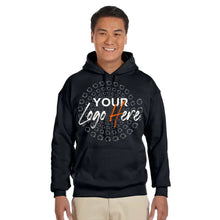
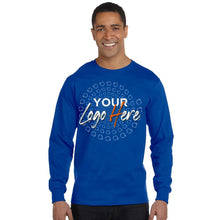
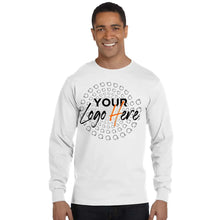
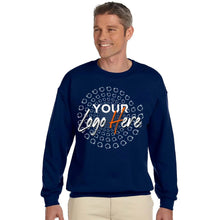
A standard adult T-shirt may provide enough decoration space for an intricate composition, while a youth shirt or different neckline can require adjustment. Hoodies, long sleeves, V-necks, tanks, and other garments also introduce different seams, construction, fabric characteristics, and printable areas.
Customers can browse standard shirts alongside custom V-neck T-shirts, custom tank tops, custom long-sleeve shirts, custom kids' shirts, and custom hoodies with no minimum.
If artwork needs to become less detailed on a smaller product, preserve the elements that identify the project correctly. Decorative texture can disappear before the participant's name, organization identity, or other essential information does.
Reduce the Schedule to the Date That Actually Matters
Business promotions, family gatherings, graduations, volunteer activities, recreational events, performances, fundraisers, reunions, community programs, and merchandise releases can involve several dates: artwork approval, production, dispatch, carrier transit, setup, and the actual event.
The most important planning date is usually when the garments must physically be available to the participants. Work backward from that requirement rather than treating dispatch as the finish line.
Qualifying projects can explore same-day shipping custom apparel. Same-day shipping means an eligible order is dispatched within the applicable timeframe. It does not mean guaranteed same-day delivery to Davenport, Iowa.
Artwork readiness, personalization, cutoff times, garment availability, production eligibility, destination, carrier schedules, weather, and transit conditions can affect arrival. Customers preparing apparel for a fixed date should review same-day shipping information and allow appropriate carrier transit time after dispatch.
Make Davenport Apparel Simpler without Making the Story Less Accurate
Davenport provides abundant material for custom apparel: the Mississippi River, Antoine LeClaire and the city's nineteenth-century development, railroad and steamboat history, lumber and manufacturing, German immigration, historic neighborhoods, the wider Quad Cities region, museums, arts, businesses, families, recreation, and community organizations. These stories exist within a Mississippi River landscape with much older Sauk and Meskwaki histories, including histories of treaty pressure and dispossession that should not be reduced to generic regional decoration.
A historical group can select a few accurate details instead of reproducing an entire archive. A family can choose one authorized photograph instead of fitting every image onto the garment. A company can emphasize its approved identity instead of listing every service. A recreational club can communicate its sport without borrowing professional branding. A creator can simplify original artwork while preserving what makes the work recognizably theirs.
Custom t-shirt printing in Davenport, Iowa can support manufacturers, businesses, families, students, schools, churches, nonprofits, volunteers, recreational groups, historical organizations, cultural projects, performers, photographers, artists, musicians, makers, and independent brands. Eligible projects can range from one personalized garment to bulk custom apparel involving multiple products, sizes, names, numbers, departments, and roles.
Custom One provides online options for screen printing, DTG, DTF, heat transfer vinyl, photo shirts, custom names and numbers, no-minimum apparel, and bulk printing. Original or appropriately authorized artwork, thoughtful simplification, accurate historical and personalized information, respectful treatment of Sauk and Meskwaki histories and cultural material, responsible handling of government, school, business, museum, sports, railroad, and third-party marks, organized production files, garment-aware layouts, and realistic shipping expectations can help create Davenport apparel that communicates clearly without losing the details that make the project truthful and distinctive.