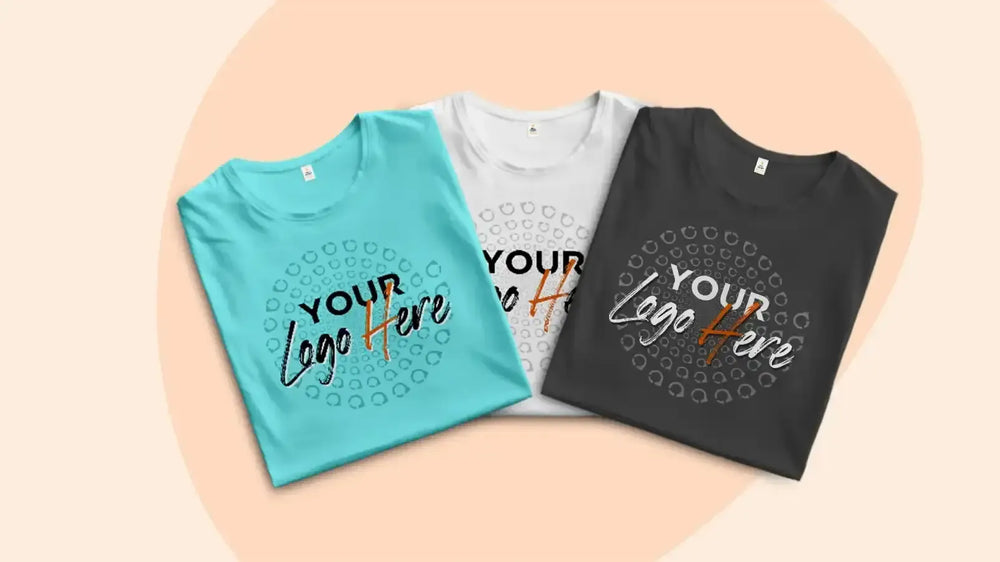









Custom T-Shirt Printing in Erlanger, Kentucky – Screen Printing, DTF, DTG, and Personalized Apparel
Erlanger developed as a Northern Kentucky transportation community. Early settlement grew around the Covington-Lexington turnpike, the Southern Railroad arrived in the 1870s, and the community that had been known by names including Timberlake, Greenwood, and Silver Lake eventually became Erlanger. The town was incorporated in 1897. Today, interstate highways, rail service, Dixie Highway, nearby air transportation, neighborhoods, businesses, parks, and the larger Cincinnati metropolitan region continue to influence daily life in the city.
That history suggests a useful approach to custom apparel: design around intersections rather than isolated ingredients. An intersection is the point where two legitimate needs meet. A company identity meets an employee role. A family emblem meets a particular generation. An event identity meets a sponsor. A common recreational graphic meets an individual number. A historical subject meets the rights attached to the source material used to depict it. Good planning pays attention to what happens at those intersections.
Custom One provides online custom t-shirt printing for customers and projects in Erlanger, Kentucky. Eligible orders can range from one custom T-shirt with no minimum to employee apparel, family shirts, recreational clothing, volunteer garments, creator merchandise, event apparel, and larger bulk custom T-shirt orders using original, licensed, or appropriately authorized artwork.
Look at the Places Where Requirements Cross
A project can appear straightforward when every requirement is considered separately. Problems often emerge only when those requirements are combined. A detailed graphic may look excellent at full size but become difficult to use on a youth garment. A sponsor logo may be authorized, but placing it beside a project title can make the sponsor appear to be the organizer. A historical photograph may be relevant, but relevance does not establish reproduction permission.
These are not necessarily problems with the individual components. They are questions created by the point where the components meet.
Before production, review those intersections deliberately. Ask how artwork interacts with garment construction, how personalization interacts with the common design, how outside branding interacts with affiliation, and how historical research interacts with intellectual-property or cultural considerations.
Erlanger Grew at an Early Transportation Crossroads
Settlement in the area that became Erlanger dates to the early nineteenth century. According to the city's historical account, Bartlett Graves built a log cabin in the area around 1807. A larger settlement developed after the Covington-Lexington turnpike was chartered in 1829.
The community that grew around a tollgate became known as Timberlake, honoring local physician William Timberlake. Transportation was therefore influencing local development well before the railroad became Erlanger's defining historical connection.
Independent historical apparel can interpret this period through original road geometry, tollgate-inspired forms, documented dates, creator-owned architectural photography, or period-influenced typography. Existing historical maps, archival photographs, museum graphics, government markers, and another illustrator's reconstruction remain separate assets and should be evaluated before merchandise reproduction.
Northern Kentucky's Human History Extends Thousands of Years Earlier
Erlanger's turnpike and railroad history represents only a recent portion of human activity in Northern Kentucky. Archaeological research in Kenton County documents Indigenous presence in the region extending more than 12,000 years. Sites in Northern Kentucky show changing patterns of hunting, gathering, settlement, agriculture, and community life long before Euro-American towns were established.
During later historical periods, Kentucky lands were used and known by distinct Native peoples including Shawnee, Cherokee, Mingo, Osage, Chickasaw, and others. Shawnee history is particularly significant in accounts of the Ohio River region and Northern Kentucky. Kentucky was used for travel, hunting, resource gathering, warfare, and other purposes that did not necessarily match European-American concepts of permanent settlement or private land ownership.
That distinction matters. The absence of a permanent Native town at every modern Kentucky city does not mean the landscape lacked Indigenous use, history, or cultural importance before Euro-American settlement.
Custom apparel should not reduce these histories to generic “Kentucky Native” imagery. Tribal identities are distinct. Tribal seals, Native languages, community-specific symbols, traditional designs, ceremonial imagery, archaeological objects, cultural materials, and works by identifiable Indigenous artists may require authorization and appropriate context. Museum display, archaeological publication, historical documentation, or public visibility does not automatically provide merchandise rights.
Where Artwork and Production Meet
The appropriate printing process depends on the characteristics of the actual artwork and garment. Quantity matters, but so do image detail, fabric composition, placement, personalization, dimensions, and the intended appearance.
Screen Printing
Suitable repeatable business identities, organization graphics, family artwork, event designs, and merchandise may be considered for screen printing, depending on artwork, garments, quantity, and production requirements.
Direct-to-Film Printing
Suitable detailed digital illustrations and multicolor graphics may be considered for DTF printing.
Direct-to-Garment Printing
Suitable authorized photographs and selected image-rich designs may be candidates for DTG printing, depending on garment and image characteristics.
Heat Transfer and Vinyl
Suitable names, numbers, employee roles, departments, and selected lettering may use heat transfer or vinyl printing or another appropriate personalization method.
The Railroad Changed the Direction of Erlanger's Development
The Southern Railroad reached the community in 1873. The depot was initially called Greenwood, after the railroad's president, but the name was changed to Silver Lake because several other places along the line already used Greenwood.
Another change came in 1882, when a post office was established. Both the post office and depot received the name Erlanger in honor of Baron Frédéric Émile d'Erlanger, the financier associated with a land syndicate promoting development of the community.
The syndicate encouraged settlement and helped establish the Erlanger Proper subdivision. In 1887 it recorded plans dividing property into 220 lots, with streets including Graves Avenue, Commonwealth Avenue, Erlanger Road, Elm Street, Queen Street, and Lake Street forming part of the early layout. Erlanger incorporated in 1897.
This history gives independent designers many subjects beyond a generic train graphic: original track patterns, street geometry, independently illustrated depot forms, documented dates, subdivision-inspired line work, creator-owned photographs, or typography influenced by late nineteenth-century transportation.
The Historic Depot Preserves Erlanger's Railroad Connection
The wooden railroad depot associated with Erlanger's early growth dates to 1877. When demolition threatened the structure more than a century later, the city and Erlanger Historical Society worked to preserve it. The building was moved away from its original trackside position, renovated, and developed as the Erlanger Historical Depot Museum.
The city identifies it as the only surviving wooden depot from the original Southern Railroad route between Cincinnati and Chattanooga. The museum continues to preserve local artifacts and interpret community history.
A railroad-history shirt can use original depot-inspired geometry, creator-owned photographs, independently illustrated rail equipment, or verified dates. Museum exhibit photographs, donated artifacts, professional images, historical railroad trademarks, sports memorabilia displayed in an exhibit, and military objects displayed by the museum do not become unrestricted merchandise assets because they can be viewed publicly.
Road Transportation Continued to Reshape the City
The former Covington-Lexington route continued to matter as transportation changed. The road through Erlanger was paved in 1921 and became part of the corridor now associated locally with Dixie Highway.
The next major transportation shift came with interstate construction. Interstate 75 arrived in the area during the twentieth century, and suburban and industrial development accelerated during the 1960s. Today Erlanger sits near the meeting of I-71/75 and I-275, while Dixie Highway remains another important local corridor.
Original transportation apparel can work with intersection geometry, road lines, movement, independently drawn directional forms, or creator-owned streetscape photography. Official highway shields, transportation-agency marks, copyrighted commercial maps, and navigation-app screenshots should not simply be copied into merchandise.
Road, Rail, and Air Now Meet around Erlanger
Erlanger's modern transportation setting extends beyond roads and rail. The city is close to Cincinnati/Northern Kentucky International Airport, giving area residents and businesses access to a major passenger and cargo transportation hub.
This combination of road, rail, and nearby aviation creates a contemporary design vocabulary based on connections and movement. An independent logistics company can use its own legitimate identity. An illustrator can create original road-rail-air geometry. A travel group can develop artwork around its particular trip rather than copying airline or airport branding.
Airport marks, airline logos, aircraft manufacturer identities, shipping-company trademarks, professional aviation photographs, and other third-party assets can require authorization even when aviation is central to the local economy.
Community Life Extends beyond Transportation Corridors
Erlanger also maintains a network of neighborhood parks supporting recreation and community gatherings. Railroad Depot Park combines the preserved depot with amenities such as a playground, shelter, gazebo, grassy field, and train-themed features. Flagship Park includes an adaptive playground, walking trail, pond, sand volleyball court, shelter, and open space.
Other city parks provide places for basketball, baseball, softball, soccer, walking, playground activity, picnics, and neighborhood recreation. Continued investment in park improvements shows that contemporary Erlanger is not defined solely by the transportation systems passing through it.
Independent park or recreation apparel can focus on the people and activity involved. Original walking graphics, neighborhood artwork, creator-owned landscape photography, or independently illustrated recreational subjects can establish context without copying city park maps, municipal logos, official signs, or event identities.
Where Company Identity Meets Everyday Work
Erlanger's transportation access supports manufacturing, logistics, warehousing, healthcare, restaurants, retail, professional services, construction, home services, hospitality, automotive work, creative businesses, and other employers across Northern Kentucky.
A legitimate business can provide its current approved identity. Suitable repeatable company artwork may be considered for custom screen printing, while organizations preparing larger eligible quantities can explore wholesale screen printing.
At the intersection between company identity and employee function, a department name or role may be useful. At the intersection between the company and a temporary promotion, separate campaign wording may be appropriate. Neither requires unnecessarily rebuilding the approved company identity.
Standard decorated apparel should not automatically be considered high-visibility clothing, flame-resistant workwear, electrical PPE, chemical-resistant garments, aviation protective equipment, warehouse safety apparel, medical PPE, or another specialized occupational product. Employers with technical requirements should verify the specifications of the underlying garment.
Where a Shared Family Identity Meets Individual Stories
Erlanger families may create apparel for reunions, weddings, anniversaries, birthdays, graduations, memorials, retirements, vacations, homecomings, religious gatherings, and multigenerational celebrations.
A common surname can intersect with different family branches. One wedding identity can meet several participant roles. A reunion graphic can pair with individual names. A memorial project can combine an authorized photograph with verified names and dates.
Suitable photographic projects can explore a custom photo T-shirt. Families ordering across generations can also browse custom kids' shirts, custom V-neck T-shirts, and custom hoodies with no minimum.
Professional wedding photography, studio portraits, school photographs, graduation images, newspaper photography, and other third-party images should only be reproduced with appropriate permission.
Where the Common Team Identity Meets the Individual Wearer
Erlanger residents participate in baseball, softball, basketball, soccer, volleyball, running, walking, fitness programs, youth athletics, and other recreation. Personalized apparel creates a clear meeting point between the common group identity and information belonging to one participant.
Suitable independent projects can explore team T-shirts with numbers and custom names and numbers.
A structured roster can record participant name, exact printed name, number, garment, size, and quantity as one complete record. This makes it easier to review the intersection between the shared artwork and each individual garment.
Professional, collegiate, school, league, tournament, race, facility, and event marks may require authorization. Participation, enrollment, attendance, employment, or fandom does not automatically provide merchandise rights to another organization's branding.
Where Community Organizations Meet Sponsors and Partners
Churches, charities, food programs, neighborhood groups, arts organizations, youth programs, health initiatives, historical groups, and other Erlanger organizations may use apparel for volunteers, fundraising, outreach, and events.
The point where two organizations appear together deserves attention. A legitimate sponsor can approve use of its mark. A genuine partner can be represented according to the relationship that actually exists. An independent group should not add a municipal, school, corporate, government, or nonprofit identity merely to make a project appear more official.
Organizations planning specialized quantities, mixed garments, or production requirements can request a custom apparel quote.
Working with the City of Erlanger, Kenton County, Commonwealth of Kentucky, a Tribal nation, school, airport organization, government agency, healthcare provider, emergency service, nonprofit, railroad, or business does not automatically authorize reproduction of that organization's seals, logos, badges, cultural materials, uniforms, insignia, or protected marks.
Where Erlanger History Meets New Original Work
Photographers, illustrators, musicians, filmmakers, designers, writers, performers, and makers can find source material in Erlanger's depot, railroad geometry, historic homes, road intersections, contemporary transportation, neighborhood parks, industrial forms, residential streets, seasonal landscapes, and everyday Northern Kentucky activity.
A photographer can use creator-owned local images. An illustrator can transform railroad and street geometry into an original composition. A designer can build typography around documented dates such as 1873, 1882, 1887, or 1897. A musician can commission merchandise artwork with reproduction rights addressed from the beginning.
Creators testing suitable designs can explore create-your-own apparel or customizable T-shirts with no minimum.
Murals, museum exhibits, professional photographs, song lyrics, Indigenous cultural material, airline and railroad marks, government graphics, school identities, corporate logos, sports branding, and works by other identifiable creators can still have rights holders or cultural restrictions even when publicly visible.
Review the Intersection between Reference Files and Production Files
A complex Erlanger project may contain original artwork, business logos, authorized photographs, railroad research, Indigenous-history references, participant information, sponsor identities, garment specifications, and multiple drafts. Reference material used to understand a subject should not accidentally become production artwork.
Useful labels can include ORIGINAL-ART, APPROVED-LOGO, AUTHORIZED-PHOTO, CURRENT-ROSTER, ERLANGER-HISTORY-REFERENCE, INDIGENOUS-HISTORY-REFERENCE, RAILROAD-REFERENCE, GOVERNMENT-REFERENCE, SPONSOR-APPROVED, REFERENCE-ONLY, AUTHORIZATION-PENDING, FINAL-ART, and FINAL-PRODUCTION.
Eligible projects can explore design review and repair. Selected graphics may also benefit from an art repair and file recovery service.
Technical cleanup, tracing, rebuilding, cropping, redrawing, vectorization, background removal, or file conversion does not create copyright, trademark, publicity, cultural, Tribal, government, corporate, museum, school, transportation, sports, or other reproduction rights.
Where the Design Meets the Physical Garment
An Erlanger order may include standard tees, youth products, V-necks, tanks, long sleeves, hoodies, and other apparel. This is one of the project's most literal intersections: digital artwork must eventually fit a physical product.
Customers can browse custom T-shirt printing, custom tank tops, custom long-sleeve shirts, custom kids' shirts, custom V-neck T-shirts, and custom hoodies with no minimum.
Necklines, seams, pockets, hoods, fabric composition, and printable dimensions can affect placement. Product-specific adaptations can preserve the same project identity without forcing one layout into every garment shape.
Where Production Meets Transportation
Erlanger's history is filled with transportation connections, and a custom apparel order has a final transportation stage of its own. Employee programs, family reunions, recreational events, volunteer projects, graduations, business promotions, performances, fundraisers, and merchandise releases can all have fixed dates.
Qualifying projects can explore same-day shipping custom apparel. Same-day shipping means an eligible order is dispatched within the applicable timeframe. It does not mean guaranteed same-day delivery to Erlanger, Kentucky.
Artwork readiness, personalization, cutoff times, garment availability, order complexity, production eligibility, destination, carrier schedules, severe weather, and transit conditions can affect arrival. Customers working toward a fixed date should review same-day shipping information and allow appropriate carrier transit time after dispatch.
Create Erlanger Apparel by Paying Attention to the Intersections
Erlanger's development has repeatedly been shaped where transportation systems and community needs met. A turnpike encouraged early settlement. The railroad transformed the town and helped establish the Erlanger name. Dixie Highway continued the road corridor's importance. Interstate construction encouraged later residential and industrial growth. Today road, rail, and nearby aviation connections place the city within a much larger Northern Kentucky and Cincinnati regional network.
A custom apparel project also becomes clearer when attention is given to its points of intersection. Artwork must meet the garment. A common design may meet individual personalization. Historical subject matter meets the rights associated with source images. Sponsor branding meets questions of affiliation. Local history meets a much older Indigenous record. Production schedules eventually meet carrier transportation.
Custom t-shirt printing in Erlanger, Kentucky can support manufacturers, logistics operations, contractors, healthcare organizations, restaurants, retailers, professional services, families, schools, churches, nonprofits, volunteers, recreational groups, photographers, artists, musicians, makers, historical projects, transportation-related businesses, community organizations, and independent brands. Eligible projects can range from one personalized garment to bulk apparel involving multiple products, sizes, names, numbers, departments, sponsors, and participant roles.
Custom One provides online options for screen printing, DTG, DTF, heat transfer vinyl, photo shirts, custom names and numbers, no-minimum apparel, and bulk printing. Original or appropriately authorized artwork, accurate Erlanger and Kenton County context, respectful treatment of Shawnee and other relevant Indigenous histories and cultural material, responsible handling of railroad, aviation, government, museum, school, corporate, sports, historical, and third-party assets, careful personalization, garment-aware layouts, and realistic shipping expectations can help create Erlanger apparel that works well not only as separate pieces, but at every point where those pieces come together.