
Sign In
and get 10% off your first order!

✅ No Minimum
✅ No Setup Fee
✅ Free Art Review and Repair
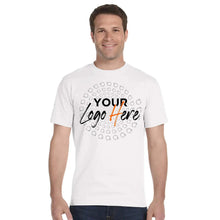
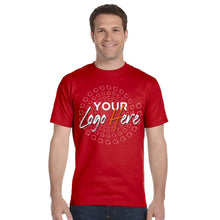
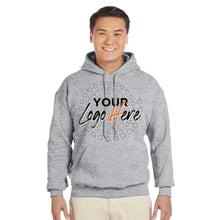
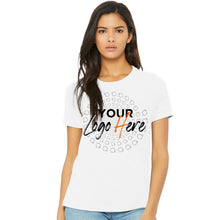
Order a single custom shirt or as many pieces as your business, team, event, or organization needs.
Save more as your quantity increases with volume pricing designed for larger custom apparel orders.
Need it fast? Eligible orders can be printed the same day when product, artwork, and production requirements qualify.
Keep your costs straightforward with no setup fees on qualifying custom printing orders.
Choose from screen printing, DTG, DTF, vinyl, and heat transfer to find the right option for your design.
Need help getting your design print-ready? Our team can review your artwork and assist before production begins.


Cost-effective, durable printing for larger quantities, bold designs, businesses, teams, and events.

Ideal for full-color artwork, fine details, gradients, and smaller custom apparel orders.

Vibrant, detailed transfers that work well across a wide variety of garments and fabric types.

A great choice for personalized apparel, team jerseys, names, numbers, and simple custom graphics.

Volume-focused printing solutions for brands, businesses, resellers, organizations, and large apparel orders.

Get your artwork reviewed, corrected, and optimized to help achieve a cleaner, higher-quality final print.

STEP 01
Browse T-shirts, hoodies, sweatshirts, long sleeves, and more to find the right garment, color, and fit for your project.
STEP 02
Upload your artwork, logo, or graphic, or use our online design tools to personalize your apparel.
STEP 03
Choose your sizes and quantities for an individual order, business, team, event, organization, or larger group event.
STEP 04
Confirm your design and order details. Once everything is ready, we'll move your apparel into production and fulfillment.

Custom T-shirt printing in Hillsboro, Oregon gives customers a way to make apparel accountable to an idea rather than anonymous by default. Custom One Online supports suitable photographs, illustrations, logos, lettering, names, numbers, and original graphics on customizable clothing. Projects can include individual pieces, creator merchandise, company apparel, team clothing, personalized garments, and qualifying higher-volume orders.
There is a fundamental difference between decoration that could belong to almost anyone and decoration that has a clear relationship to its customer. A photograph points to particular people or subjects. An original illustration can point to its creator. A company logo refers to a specific organization. A name or number can refer to one participant. Custom printing makes those relationships visible on apparel, giving the finished garment a clear connection to something beyond the blank clothing itself.
An undecorated shirt does not explain why someone chose it. Once customized, the garment can refer to something identifiable. The reference might be a photograph, a creative work, a phrase, or another piece of customer-selected content.
Photography provides a straightforward example. Customers can explore a custom photo T-shirt for suitable portraits, family pictures, pet photographs, friendship images, memorial photos, and other selected photography.
The photograph gives the garment a subject. Two shirts of the same basic type can become completely different products because the images refer to different people, animals, places, or experiences.
Lettering can establish a reference without using a photograph. Suitable text and graphics can be considered through heat transfer and vinyl printing. A requested name, date, phrase, or other wording can connect the garment with information chosen by the customer.
Original artwork can establish a creative reference. Customers can explore create-your-own apparel for suitable illustrations, typography, and original graphics. The resulting garment can point directly to work supplied for that project rather than to a generic design selected without a connection to its wearer or creator.
Suitable detailed graphics can be considered through direct-to-garment printing. Applicable artwork can also be explored through direct-to-film printing.
The reference can be highly personal even when only one garment is required. Customers can consider custom T-shirts with no minimum for suitable individual and limited-quantity projects.
For Hillsboro customers, customization can therefore give a familiar piece of clothing a clear subject. The shirt no longer exists only as a garment category; it refers to the image, words, artwork, or idea selected for it.
Creator merchandise can do more than place an attractive graphic on clothing. It can connect a physical product with the creative work from which the graphic came. An illustration on apparel can still be understood as part of an artist's output, while typography can retain a relationship to the designer who developed it.
This connection can remain present across different suitable apparel products. A creator may consider V-neck T-shirts for one project and custom tank tops for another.
Additional coverage can be explored through custom long-sleeve T-shirts. Suitable heavier merchandise can be considered through custom hoodies with no minimum.
The garment category may change, but original artwork can still point back to the creator's work. This distinguishes creator merchandise from apparel carrying an unrelated decorative graphic. The content has an origin and a relationship to the person or project that produced it.
Creators interested in limited merchandise quantities can explore customizable T-shirts with no minimum. This makes it possible to consider suitable apparel without requiring the creative project to begin with a substantial production quantity.
Projects intended for younger wearers can also consider custom kids' shirts. Customers interested in another customizable clothing category can review design-your-own pants.
A creator can therefore develop apparel whose visual content remains connected to the larger creative practice behind it. The shirt, hoodie, or other suitable garment becomes merchandise because the artwork gives the product that relationship.
For Hillsboro creators, this can make apparel a direct extension of creative output. People receiving the merchandise are not simply acquiring decorated clothing; they are acquiring a product connected to particular artwork and the creator or project responsible for it.
Organization apparel often gains much of its usefulness from association. A company graphic associates clothing with a business. A team name associates garments with a group. A participant name or number can associate an individual piece with a particular person.
A Hillsboro business can place suitable company graphics on employee apparel. Customers with repeated artwork appropriate for the process can explore screen printing. Qualifying higher-volume requirements can also be considered through screen printing wholesale.
The company graphic provides a reference that plain clothing does not have. The garment can be understood in connection with the organization whose graphic appears on it.
Teams can introduce another level of association. Customers can explore team T-shirts with numbers for suitable numbered apparel.
Applicable individual information can also be considered through custom names and numbers. A common team graphic can establish the group connection, while a participant name or number can establish who a particular garment is associated with.
This can be useful even when the clothing itself is otherwise similar. Two shirts can share the same organization graphic yet refer to different participants through their individual information.
Customers preparing suitable larger requirements can explore custom bulk T-shirts. Qualifying customers interested in undecorated apparel can also review blanks wholesale.
The customization therefore provides more than surface decoration. It can establish relationships among apparel, organizations, and people. A shirt can belong conceptually to a company because it carries company branding, while another can be associated with a particular participant because it includes requested identifying information.
For organizations serving Hillsboro, those relationships can turn ordinary apparel products into pieces connected with the actual people and groups for which they were ordered.
Before production, the relationship between an idea and a garment may exist only as a plan. A customer knows which photograph should appear on the shirt, which company graphic belongs on employee apparel, or which participant number should be placed on a particular piece. Printing makes that planned association part of the finished garment.
Customers can review custom apparel services when considering applicable production approaches. Depending on project requirements, options can include screen printing, DTG, DTF, vinyl, and related customization services.
Artwork quality can affect whether the intended visual material is suitable for production. Customers with applicable graphic concerns can explore design review and repair.
Suitable older or problematic graphics can also be considered through the art repair and file recovery service. This can help when a particular graphic is important to the project but the available file requires technical assistance.
Some projects may have a shorter production window. Customers with qualifying requirements can explore same-day printing T-shirts. Applicable fulfillment information can be reviewed through same-day shipping.
Customers preparing specialized or qualifying higher-volume projects can use the request a quote page. Common information about customization and ordering can also be reviewed through the FAQ.
Production matters because the requested relationship needs to survive beyond the idea. The correct photograph needs to become the intended photo shirt. The creator's graphic needs to become the requested merchandise. The company artwork needs to appear on the appropriate apparel. Applicable names and numbers need to become part of the garments intended to carry them.
Custom One Online serves customers in Hillsboro, Oregon with apparel printing options that can establish these connections directly on clothing. The customization can point toward a person, creative work, organization, team, photograph, or other subject selected for the project.
Once completed, the garment does not need a separate explanation of why it was customized. Its printed content supplies that connection. A photo shirt refers to its photographed subject, creator merchandise refers to original artwork, and organization apparel refers to the group represented by its graphics or information.
For Hillsboro customers, custom T-shirt printing can make apparel specific by giving it a clear relationship to something beyond the garment itself. That relationship is what transforms a standard clothing product into apparel commissioned for a particular person, creator, organization, or purpose.