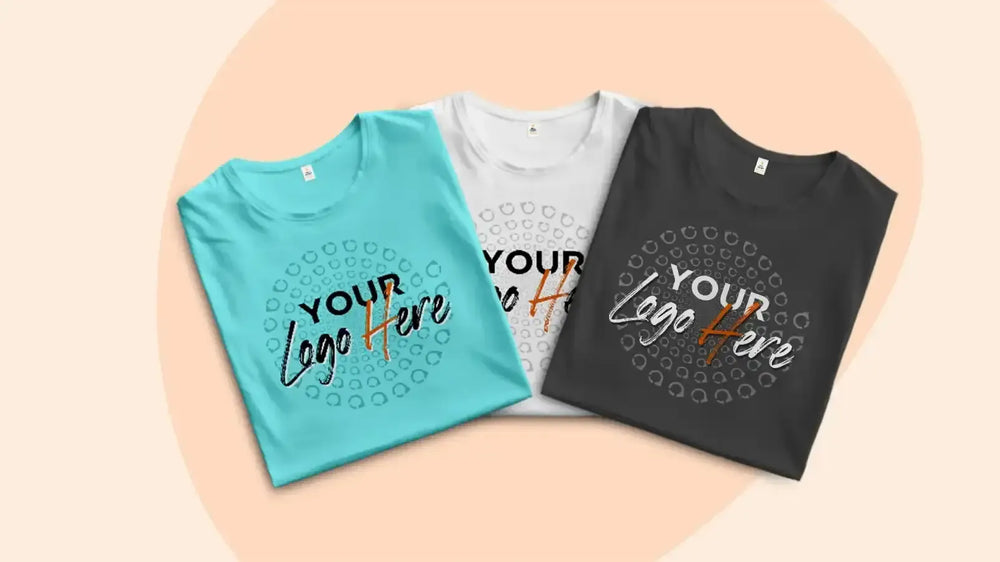
A custom apparel order can contain more than one kind of work even when every finished item is ultimately a shirt, hoodie, tank, or other garment. One part of the project involves preparing artwork. Another involves selecting blanks and sizes. A third may involve names or numbers that change from person to person. Photographs introduce their own requirements, and an upcoming event can add a firm production timeline. Custom One Online serves Kalispell, Montana customers with custom T-shirt printing for personal apparel, businesses, teams, families, organizations, events, creators, and larger group orders.
Understanding these production inputs can make an apparel request easier to describe. Two customers might each order thirty shirts, yet one provides a single finished logo for all thirty while the other uses three independent graphics, several garment styles, and individual names. The quantity is identical, but the work represented by the orders is different. For Kalispell customers, defining the inputs behind the finished apparel can provide a clearer path from the initial request to the completed garments.
Garment Input: What Apparel Is Actually Being Printed?
The blank garment is not merely a container for the artwork. It is part of the finished product. Standard T-shirts, long sleeves, tanks, V-necks, hoodies, youth shirts, and sweatpants provide different apparel choices for different projects.
Standard Shirt Options
Customers can explore Gildan shirts when considering familiar T-shirt options for business, group, event, family, or personal apparel.
V-Neck Options
The BELLA+CANVAS ladies relaxed jersey V-neck T-shirt provides another garment choice for suitable custom designs.
Long-Sleeve Options
Customers can also consider the Gildan adult long-sleeve T-shirt when long sleeves better match the project.
When an order contains several apparel categories, the quantity for each garment can be described separately. Thirty T-shirts and ten long sleeves communicate more useful information than a general statement requesting forty pieces.
Variable Input: Names and Numbers Create Garment-Specific Instructions
A group can share the same central design while individual garments contain different information. Player numbers, employee names, departments, volunteer roles, family nicknames, or other identifiers turn part of the project into wearer-specific customization.
Build Personalization Around the Wearer
A useful record can connect a person's name, number if applicable, garment style, and size. This keeps individual information associated with the garment intended for that person.
Teams can explore team T-shirts with numbers. Businesses, organizations, clubs, and other groups can also consider custom names and numbers.
The common artwork remains a shared input, while personalization becomes a variable input. That distinction is useful whether the order contains six personalized garments or an entire roster.
Business Input: Separate Standard Branding From Employee-Specific Requirements
A Kalispell business can have several apparel requirements within one overall company program. Everyday staff shirts might use one standard logo, while selected employees receive names or roles. Another set of garments can be produced for a temporary company activity.
Standard Company Artwork
The regular employee shirt can use the business identity intended for broad staff use.
Employee-Specific Information
Names, departments, job functions, or other suitable identifiers can be added only to the garments that require them.
Special Company Graphics
An anniversary, promotional activity, staff event, or campaign can use separate artwork without changing the standard business shirt.
Keeping these inputs distinguishable can help a company explain how many pieces belong to the standard design and how many require additional customization.
File Input: Existing Artwork May Need Preparation Before Printing
A customer may have exactly the design they want but not necessarily the ideal working file. An older logo can contain obsolete wording. A previous family design might include an old year. A creator may have a graphic saved in a form that needs additional attention before another apparel project.
Review Artwork That Needs Adjustment
Customers can explore design review and repair when an existing design needs attention.
Recover Difficult Source Material
More challenging artwork problems can be considered through the art repair and file recovery service.
The condition of the source file is part of the production picture. A finished illustration and an older graphic requiring repair can lead to similar-looking shirts, but they do not begin at the same preparation stage.
Apparel Category Input: A Project Can Extend Beyond Shirts
Custom apparel programs can include pants as well as T-shirts and tops. Teams, creators, organizations, families, and personal projects may want coordinated sweatpants or another garment category.
Customers can explore Gildan custom sweatpants with no minimum. Youth projects can also consider Gildan custom youth sweatpants.
Give Each Apparel Category Its Own Quantity
An order containing thirty T-shirts and fifteen pairs of sweatpants has forty-five total garments, but the apparel breakdown is more informative than the combined number. Each category can then be connected to its appropriate sizes and artwork requirements.
Schedule Input: State When the Apparel Actually Needs to Be Ready
A birthday, reunion, competition, fundraiser, trip, graduation, company activity, or another scheduled occasion can introduce a time requirement. The useful date is the point when the garments actually need to be available.
Customers with qualifying urgent requirements can explore same-day printing T-shirts and review same-day shipping information.
Include Preparation Before the Main Occasion
If apparel must be sorted, packed, distributed, or taken on a trip, the practical need date may arrive before the event itself. A team traveling on Friday needs its garments before departure even if the competition occurs later.
Providing the real need date alongside the artwork, garment, quantity, and personalization details helps describe the complete project rather than only the design.
Turn the Inputs Into a Useful Production Brief
A production brief can be short while still providing meaningful information. A business might describe a request as sixty black Gildan shirts using one company logo, divided among listed adult sizes, with eight employee names added to selected garments. A family might describe twenty adult shirts, six youth shirts, one common reunion graphic, and one additional photo shirt. A creator might request three independent illustrations with twenty pieces of one design, ten of another, and two samples of the third.
The brief can identify the garment, color, size breakdown, quantity, number of independent designs, personalization, photograph if applicable, printing method if already known, artwork condition, and actual need date.
Customers can use the request a quote page to provide project information. Additional common questions about ordering and services can be reviewed through the FAQ.