








Custom T-Shirt Printing in Marion, Iowa – Screen Printing, DTF, DTG, and Personalized Apparel
Marion was planned before it had a permanent population. Surveyors laid out the new Linn County seat in November 1839, lots went to public auction that December, and the community soon developed around what is now City Square Park. Railroads later transformed its economy, neighborhoods spread beyond the original town center, and today's Marion combines historic districts with parks, trails, businesses, schools, arts programs, recreation, and residential growth.
That history offers an unusual way to think about custom apparel: design the order around interfaces. An interface is the point where two different parts of a project have to fit together correctly. Artwork meets fabric. A name meets a roster entry. Historical research meets an illustration. A sponsor logo meets an event design. Adult artwork meets a youth-sized garment. Production timing meets carrier transit. Problems frequently appear not inside either part individually, but where the two parts connect.
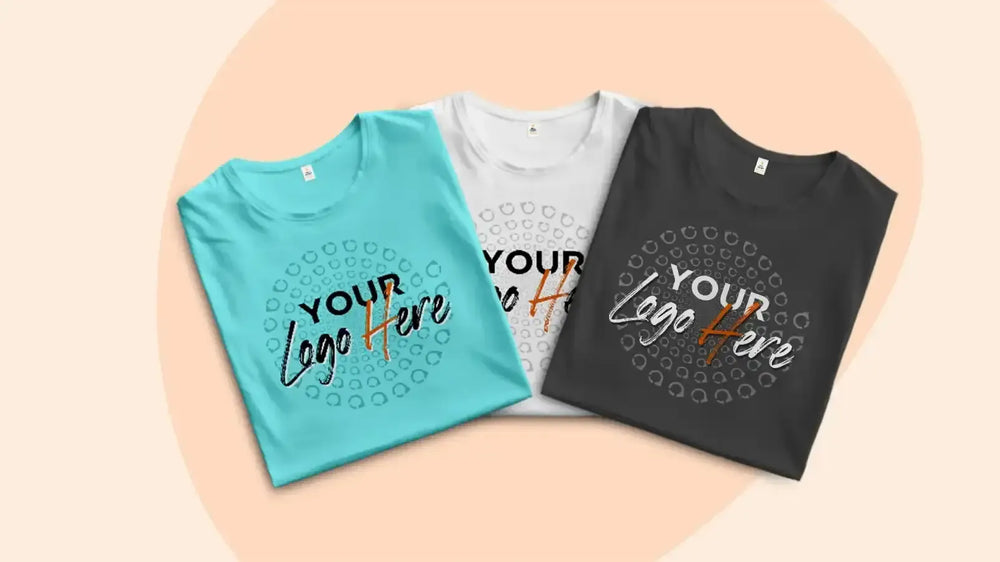
Custom One provides online custom t-shirt printing for customers and projects in Marion, Iowa. Eligible projects can range from one custom T-shirt with no minimum to employee apparel, family shirts, recreational clothing, volunteer garments, creator merchandise, event apparel, and larger bulk custom T-shirt orders using original, licensed, or appropriately authorized artwork.
Look at the Places Where Two Decisions Meet
A company logo can be perfectly drawn but still be unsuitable if it is placed over a garment seam. A participant list can contain every correct name yet produce errors if names and sizes become misaligned. A historical photograph can accurately depict Marion while still lacking appropriate reproduction permission. A design can be ready for production while an unrealistic delivery assumption creates problems at the final stage.
Thinking about these contact points creates a different review process. Instead of asking only whether each individual component looks correct, ask whether neighboring components work correctly together.
- Artwork ↔ Garment
- Does the design fit the printable area and fabric?
- Person ↔ Personalization
- Does each name or number correspond to the correct participant?
- History ↔ Illustration
- Does the artwork represent documented history without copying protected material?
- Organization ↔ Logo
- Is the identity actually authorized for this use?
- Production ↔ Deadline
- Does the schedule include both production and carrier transit?
Marion Was Created as Linn County's First County Seat
Marion's origin differs from communities that gradually formed around an existing mill, fort, mine, or railroad station. The town was specifically established as the seat of the newly organized Linn County. It was surveyed in November 1839, and the first lots were offered at public auction on December 6.
The name honors Francis Marion, the Revolutionary War officer popularly remembered as the “Swamp Fox.” City Square Park became a focal point for nineteenth-century business and civic activity, establishing a central space that remains significant in Marion today.
Original historical apparel can work with independently illustrated street grids, architectural forms, verified dates, creator-owned photography, or typography inspired by the concept of an early county-seat town. Existing municipal graphics, historical maps, museum illustrations, professional photographs, and another creator's artwork require separate consideration before reproduction.
Match the Artwork with a Printing Process That Fits It
The boundary between artwork and production is one of the most important interfaces in a custom apparel project. A method that works well for one graphic may not be the preferred approach for another.
Screen Printing
Suitable repeatable business graphics, family designs, organization artwork, event identities, and merchandise may be considered for screen printing, depending on quantity, artwork, garment, and production requirements.
Direct-to-Film Printing
Suitable detailed digital illustrations and multicolor graphics may be considered for DTF printing.
Direct-to-Garment Printing
Suitable authorized photographs and selected image-rich graphics may be candidates for DTG printing, depending on garment and image characteristics.
Heat Transfer and Vinyl
Suitable names, numbers, employee roles, departments, and selected lettering may use heat transfer or vinyl printing or another appropriate personalization process.
Quantity is only part of the decision. Fabric composition, artwork detail, image characteristics, placement, printable dimensions, personalization, and garment construction can also influence production.
Marion's 1839 Survey Sits within a Much Older Indigenous Landscape
Linn County's history did not begin when Marion was surveyed. Eastern Iowa has deep connections with distinct Indigenous peoples, including Meskwaki, Sauk, Ho-Chunk, Ioway, and other Native nations whose territories, travel, communities, and relationships with the region changed across different periods.
Nineteenth-century treaties, land cessions, United States expansion, settlement pressure, and removal policies radically disrupted Native relationships with Iowa lands. Meskwaki people nevertheless maintained connections with Iowa. Beginning in 1857, Meskwaki families purchased land in Tama County, establishing the foundation of the present-day Meskwaki Settlement and the continuing sovereign Meskwaki Nation.
Apparel should not turn these distinct histories into generic “Native Iowa” decoration. Tribal seals, community-specific symbols, Native languages, traditional designs, ceremonial imagery, cultural objects, historical cultural material, and works by identifiable Indigenous artists may require authorization and appropriate context.
Historical research can inform original work, but seeing a cultural object in a museum, archive, publication, or website does not automatically provide permission to reproduce it commercially.
The Railroad Connected Marion with a Much Larger Network
Rail transportation became one of the major forces shaping Marion's nineteenth-century economy. Official city history records the railroad arriving in 1864. Marion later became an important hub for the Milwaukee and St. Paul Railway, subsequently associated with the Milwaukee Road.
In 1887, Marion became a railroad division point. A roundhouse, offices, depot facilities, workers, and supporting businesses strengthened the relationship between the railroad and the community. Railroad activity influenced both economic development and the built environment around the business district.
Transportation-themed apparel can use independently illustrated track forms, tools, wheels, worker occupations, verified family employment records, or creator-owned railroad photography. Existing railroad logos, historical advertisements, timetables, professional photographs, museum graphics, and branded equipment artwork should not automatically be treated as unrestricted merchandise assets.
Marion's Civic Role Changed while the Community Continued Growing
Marion served as Linn County's first county seat for decades. As nearby Cedar Rapids grew, a long-running debate developed over moving the county government. A 1919 election ultimately favored Cedar Rapids, ending Marion's county-seat role.
That transition is useful historical context because it demonstrates that a city's identity can extend beyond one institutional function. Marion continued developing through transportation, schools, businesses, residential neighborhoods, cultural institutions, recreation, and industry after the county government moved.
A commemorative design can similarly distinguish an organization's enduring identity from one particular office, facility, title, or event. Historical accuracy matters, but the design does not have to reduce an entire community to one former function.
Uptown Marion Brings Historic and Contemporary Uses Together
The area around City Square Park continues to function as a recognizable center of Marion. Historic commercial buildings, public space, shops, restaurants, community activities, arts programming, and contemporary improvements give Uptown a different role from the nineteenth-century business district while retaining a visible connection with its past.
Businesses and organizations in a historic district do not need to imitate old advertisements to appear locally grounded. A restaurant can use its own legitimate identity. A retailer can commission original typography. A creator can draw an independent architectural study. An event can develop its own artwork.
Historic-district status does not make every photograph, mural, sign, sculpture, logo, or architectural illustration available for merchandise reproduction.
Art in Marion Creates Inspiration and Rights Questions at the Same Time
Marion supports visual and performing arts through festivals, exhibitions, public spaces, and cultural programming. Lowe Park includes an art trail and the Klopfenstein Amphitheater for the Performing Arts, while City Square Park hosts community activity and arts events.
Artists can develop original Marion merchandise from creator-owned photography, drawings, paintings, typography, music identities, or independent interpretations of local landscapes and architecture.
Public visibility should not be confused with public ownership. Murals, sculptures, festival graphics, photographs, music, posters, performance identities, and commissioned artwork can remain protected creative works even when displayed outdoors or at a public event.
Creators testing suitable original artwork can explore create-your-own apparel or customizable T-shirts with no minimum.
Business Apparel Connects Brand Identity with Real Working Conditions
Marion businesses include contractors, manufacturers, healthcare providers, restaurants, retailers, professional services, technology companies, automotive businesses, home-service companies, hospitality operations, and other employers.
A current approved logo may be appropriate for an employee shirt, but garment choice should also reflect how the clothing will actually be used. Office staff, event representatives, indoor retail employees, and workers in demanding environments can have very different clothing requirements.
Suitable repeatable business artwork may be considered for custom screen printing. Organizations preparing larger quantities can explore wholesale screen printing.
Standard decorated apparel should not automatically be considered high-visibility clothing, flame-resistant workwear, electrical PPE, chemical-resistant garments, medical PPE, or another specialized occupational product. Employers requiring technical protection should verify applicable specifications of the underlying garment.
More Than 600 Acres of Public Ground Support Recreation in Marion
Marion's park system includes more than 600 acres of public ground across parks and green spaces. Thomas and Legion Park, Lowe Park, Hanna Park, Gill Park, Willowood Park, Faulkes Heritage Woods, Waldo's Rock Park, and other locations support sports, walking, playground activities, gatherings, nature experiences, arts, and recreation.
Independent groups can develop apparel around the activity that brings participants together. A walking club can create an original identity. A family picnic can use a surname and year. A disc golf group can commission independent artwork. A nature organization can work with creator-owned plant, woodland, prairie, or wildlife illustrations.
Using a public park does not automatically authorize reproduction of City of Marion branding, official maps, facility identities, event graphics, sculptures, or other third-party creative material.
Marion's Trails Connect Different Parts of the Community
The city's trail network includes the Grant Wood Trail, Boyson Trail, Indian Creek Trail, Lowe Park Trail, Krumboltz Trail, and other routes and connections. The Grant Wood Trail follows former railroad right-of-way through Marion, giving today's recreational network an interesting relationship with the transportation history that helped shape the community.
Trail-group apparel can use original motion graphics, independently created route-inspired geometry, cycling or running imagery, prairie subjects, or creator-owned outdoor photography.
Official trail maps are functional documents rather than automatic merchandise artwork. If a project needs a route illustration, an original simplified representation can often serve the group's purpose without copying an existing map.
Family Apparel Has Several Human Interfaces to Review
Marion families may create shirts for reunions, weddings, anniversaries, birthdays, graduations, memorials, retirements, vacations, and multigenerational gatherings. These projects often connect photographs, names, dates, relationships, and several garment sizes.
Suitable photographic projects can explore a custom photo T-shirt. Families ordering across generations can also browse custom kids' shirts, custom V-neck T-shirts, and custom hoodies with no minimum.
Family members can confirm who appears in an image and how names should be spelled. Copyright is a separate issue. Professional wedding photographs, school portraits, studio images, newspaper photography, and other third-party photographs should only be reproduced with appropriate permission.
The Critical Team Interface Is between the Roster and the Garment
Marion residents participate in baseball, softball, football, basketball, soccer, swimming, running, cycling, disc golf, fitness programs, youth athletics, and other recreation. Personalized apparel requires accurate connections between people and printed information.
Suitable projects can explore team T-shirts with numbers and custom names and numbers.
A structured roster can place participant name, exact printed name, number, garment, size, and quantity on the same row. That helps prevent individually correct pieces of information from becoming incorrectly paired.
Professional, collegiate, school, league, tournament, race, facility, and event marks may require authorization. Participation, enrollment, attendance, employment, or fandom does not automatically provide merchandise rights to another organization's branding.
Community Partnerships Create an Authorization Interface
Churches, charities, food programs, neighborhood organizations, environmental initiatives, cultural groups, youth programs, health organizations, and other Marion community projects may use apparel for volunteers, fundraising, outreach, or events.
An organization can use its own approved identity. A sponsor logo introduces another organization and should be appropriately approved. An independent volunteer program should not add municipal or emergency-service marks simply to appear official.
Organizations planning specialized quantities, mixed garments, or production requirements can request a custom apparel quote.
Working with the City of Marion, Linn County, State of Iowa, a Tribal nation, school, museum, healthcare provider, government agency, nonprofit, emergency service, or business does not automatically authorize reproduction of that organization's seals, badges, logos, cultural materials, uniforms, or protected marks.
Historical Research and Merchandise Artwork Meet at a Rights Boundary
The Marion Heritage Center, historic districts, archival collections, historic homes, railroad resources, and other research materials can help designers understand local history. That research may establish dates, occupations, architecture, transportation patterns, and community changes.
Research access does not necessarily include reproduction permission. A historical photograph can answer a visual question without automatically becoming printable merchandise artwork. A museum display can inspire independent research without providing permission to reproduce the exhibit design.
This interface is especially important when creating anniversary, railroad, neighborhood, or family-history apparel. Historical accuracy and reproduction rights should both be addressed rather than assuming one establishes the other.
Organize Files around the Connections That Must Remain Correct
A complex Marion order might contain original artwork, participant rosters, historical references, Indigenous-history research, sponsor logos, family photographs, garment information, and several production versions.
Useful file labels can include ORIGINAL-ART, APPROVED-LOGO, AUTHORIZED-PHOTO, CURRENT-ROSTER, HISTORICAL-REFERENCE, CULTURAL-REFERENCE, SPONSOR-APPROVED, GARMENT-SPECS, REFERENCE-ONLY, AUTHORIZATION-PENDING, FINAL-ART, and FINAL-PRODUCTION.
Eligible projects can explore design review and repair. Selected graphics may also benefit from an art repair and file recovery service.
Technical cleanup, tracing, rebuilding, cropping, redrawing, vectorization, background removal, or file conversion does not create copyright, trademark, publicity, cultural, Tribal, government, corporate, museum, school, sports, or other reproduction rights.
Review the Artwork-Garment Interface for Every Product Type
An adult crew-neck shirt, youth tee, V-neck, tank, long sleeve, and hoodie do not present identical printable surfaces. Necklines, seams, pockets, hoods, fabric compositions, and available dimensions can affect placement.
Customers can browse custom T-shirt printing, custom tank tops, custom long-sleeve shirts, custom kids' shirts, and custom hoodies with no minimum.
The same project identity can remain recognizable while artwork dimensions or placement are adjusted for the garment actually being printed.
Production Completion and Delivery Are Connected but Not Identical
Employee programs, reunions, tournaments, volunteer projects, graduations, arts events, business promotions, performances, fundraisers, and merchandise releases may have fixed dates. Completing production is one stage; carrier transportation to Marion is another.
Qualifying projects can explore same-day shipping custom apparel. Same-day shipping means an eligible order is dispatched within the applicable timeframe. It does not mean guaranteed same-day delivery to Marion, Iowa.
Artwork readiness, personalization, cutoff times, garment availability, order complexity, production eligibility, destination, carrier schedules, weather, and transit conditions can affect arrival. Customers working toward a fixed date should review same-day shipping information and allow appropriate carrier transit time after dispatch.
Create Marion Apparel by Reviewing Where the Pieces Meet
Marion was laid out as Linn County's first county seat before a permanent community had fully developed around it. City Square became a civic and commercial center, railroads transformed the local economy, the county-seat role eventually moved to Cedar Rapids, and Marion continued developing through neighborhoods, schools, businesses, parks, trails, arts, recreation, and community institutions. Its modern trail system even reuses portions of former transportation corridors, illustrating how different periods of local history can intersect physically.
Custom apparel has its own intersections. Artwork has to fit the garment. A participant must be paired with the correct name, number, and size. Historical research has to meet an original or appropriately authorized visual treatment. Partner branding requires legitimate approval. Cultural material requires appropriate context and authority. Production timing must connect realistically with carrier transit and the date the garments are actually needed.
Custom t-shirt printing in Marion, Iowa can support manufacturers, contractors, restaurants, retailers, healthcare organizations, professional services, families, schools, churches, nonprofits, volunteers, recreational groups, photographers, artists, musicians, makers, historical projects, neighborhood organizations, and independent brands. Eligible projects can range from one personalized garment to bulk apparel involving multiple products, sizes, names, numbers, departments, sponsors, and participant roles.
Custom One provides online options for screen printing, DTG, DTF, heat transfer vinyl, photo shirts, custom names and numbers, no-minimum apparel, and bulk printing. Original or appropriately authorized artwork, accurate local history, respectful treatment of Meskwaki, Sauk, Ho-Chunk, Ioway, and other relevant Indigenous histories and cultural material, responsible handling of government, museum, school, corporate, sports, public-art, and third-party assets, carefully connected project data, garment-aware layouts, and realistic shipping expectations can help turn a Marion apparel project into a system whose parts work together rather than merely existing beside one another.