
Sign In
and get 10% off your first order!

✅ No Minimum
✅ No Setup Fee
✅ Free Art Review and Repair
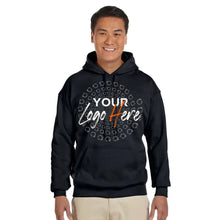
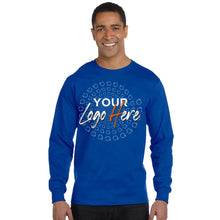
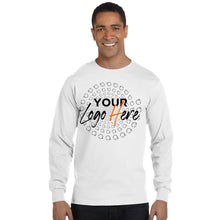
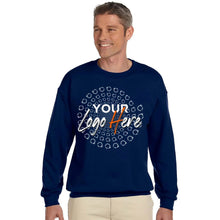
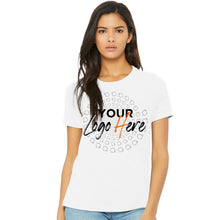
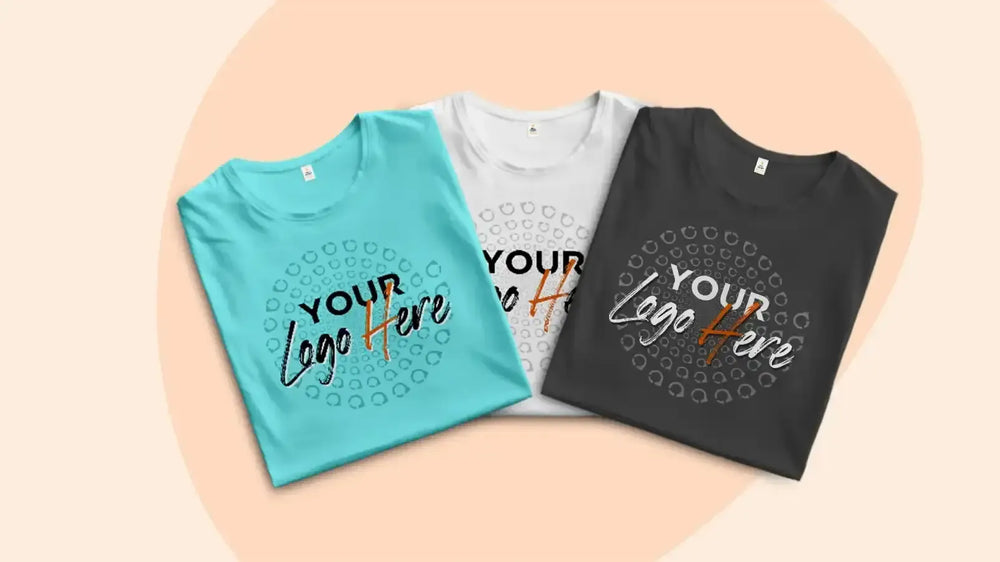
Order a single custom shirt or as many pieces as your business, team, event, or organization needs.
Save more as your quantity increases with volume pricing designed for larger custom apparel orders.
Need it fast? Eligible orders can be printed the same day when product, artwork, and production requirements qualify.
Keep your costs straightforward with no setup fees on qualifying custom printing orders.
Choose from screen printing, DTG, DTF, vinyl, and heat transfer to find the right option for your design.
Need help getting your design print-ready? Our team can review your artwork and assist before production begins.


Cost-effective, durable printing for larger quantities, bold designs, businesses, teams, and events.

Ideal for full-color artwork, fine details, gradients, and smaller custom apparel orders.

Vibrant, detailed transfers that work well across a wide variety of garments and fabric types.

A great choice for personalized apparel, team jerseys, names, numbers, and simple custom graphics.

Volume-focused printing solutions for brands, businesses, resellers, organizations, and large apparel orders.

Get your artwork reviewed, corrected, and optimized to help achieve a cleaner, higher-quality final print.

STEP 01
Browse T-shirts, hoodies, sweatshirts, long sleeves, and more to find the right garment, color, and fit for your project.
STEP 02
Upload your artwork, logo, or graphic, or use our online design tools to personalize your apparel.
STEP 03
Choose your sizes and quantities for an individual order, business, team, event, organization, or larger group event.
STEP 04
Confirm your design and order details. Once everything is ready, we'll move your apparel into production and fulfillment.

Custom T-shirt printing in Pittsburgh, Pennsylvania allows a garment to contain material that would normally belong to entirely different media. A photograph can leave an album, lettering can leave a document, an illustration can leave a digital canvas, and a company mark can appear somewhere other than conventional business materials. Custom One Online supports suitable graphics, photographs, text, names, numbers, and original artwork on customizable apparel for individual, creative, organizational, and qualifying higher-volume projects.
This ability gives printed apparel an unusual position among customized products. It can borrow content from photography, graphic design, typography, branding, and illustration while remaining clothing. The result does not need to imitate the original medium. The photograph is still recognizable as photography, the logo remains a logo, and the drawing retains its creative character, but each becomes part of something designed to be worn.
Photography and apparel begin with very different expectations. A photograph is normally viewed on a screen, printed on paper, or stored digitally. Clothing has a different physical form. Combining them creates a product that belongs fully to neither category: it is still apparel, but the image gives it content that originated somewhere else.
Customers can explore a custom photo T-shirt for suitable portraits, family photographs, pet pictures, friendship images, memorial photos, and other selected photography. The image does not need to have been created specifically as a clothing graphic in order for a suitable project to consider it for apparel.
Illustration brings another visual discipline into the same format. A digital drawing may have been developed as independent artwork rather than as a shirt design. Customers with suitable detailed graphics can consider direct-to-garment printing, while applicable artwork can also be explored through direct-to-film printing.
Typography contributes differently. Words can provide a name, statement, date, identifier, or other textual element. Suitable lettering and graphics can be considered through heat transfer and vinyl printing.
These visual forms can also coexist. A photograph can be accompanied by text. An illustration can incorporate lettering. A business graphic can contain both symbols and typography. Custom apparel provides one physical destination where several forms of visual material can meet.
The customer does not need to approach the project as a professional designer to benefit from this flexibility. Someone may simply have a photograph worth printing. Another person may have a drawing. Someone else may have a phrase that belongs on a particular shirt. Customers seeking suitable individual quantities can explore custom T-shirts with no minimum.
For Pittsburgh customers, the interesting part can be the meeting of media rather than the complexity of the design. Even a straightforward piece of source material can take on a different presence once it becomes part of apparel.
An illustration does not have to remain only an illustration file. Typography does not have to remain only a digital composition. Creative work can become part of a product category with its own sizes, apparel styles, quantities, and physical characteristics.
Artists and designers can explore create-your-own apparel for suitable original graphics. Instead of treating clothing merely as a promotional accessory, creators can consider it as another product format for selected work.
This changes some of the questions surrounding the artwork. A graphic displayed online does not need a garment size. Merchandise does. A digital illustration does not need a neckline. Apparel does. The creative work enters a category in which visual decisions and clothing decisions exist together.
Creators can explore V-neck T-shirts for an alternative neckline or custom tank tops for suitable sleeveless products. Custom long-sleeve T-shirts provide another apparel format for appropriate designs.
Suitable heavier merchandise can be considered through custom hoodies with no minimum. Projects intended for younger wearers can explore custom kids' shirts.
Smaller merchandise requirements can use customizable T-shirts with no minimum. This can be useful when a creator wants suitable apparel without making the creative project dependent on a large initial quantity.
The important transformation is not that artwork suddenly stops being creative work and becomes clothing. Both identities remain. The illustration still belongs to the creator, while the finished item also has all the characteristics expected from an apparel product.
That dual character gives Pittsburgh creators room to think beyond a single medium. A design can exist as artwork and also have a suitable apparel expression without requiring the two formats to serve exactly the same purpose.
Business graphics usually appear in environments associated with the organization: websites, documents, signage, packaging, digital profiles, and other branded materials. Employee apparel introduces the same visual identity into clothing.
A Pittsburgh business can place suitable company graphics on employee apparel. Customers with artwork appropriate for repeated production can explore screen printing. Qualifying higher-volume requirements can also be considered through screen printing wholesale.
The graphic may already be familiar, but its apparel form introduces requirements that do not exist on a website or document. Shirts have sizes. Different employees may require different garments. Quantities need to correspond to the order. The branding enters a product system governed partly by clothing rather than entirely by graphic design.
Team graphics undergo a similar change. A shared mark can establish a common visual element while participant information gives particular garments an additional function. Customers can explore team T-shirts with numbers for suitable numbered projects.
Applicable participant information can also be considered through custom names and numbers. Names and numbers introduce data that may change from one garment to another even while the broader visual identity remains connected to the organization.
Customers preparing suitable larger requirements can explore custom bulk T-shirts. Qualifying customers researching undecorated apparel can also review blanks wholesale.
Organization apparel therefore sits at the intersection of branding and clothing management. The graphic comes from the identity of the organization, while size information, garment selection, quantities, and applicable participant data belong to the apparel order.
Neither side has to replace the other. The logo can retain the qualities that make it part of the organization's visual identity while the finished garment still functions as a clothing product intended for a particular wearer.
A graphic on a screen can remain purely digital for years. Once that graphic is intended for customized apparel, production introduces additional considerations. The customer is no longer dealing only with how the artwork appears as a file; the project now involves an actual garment and an applicable printing process.
Customers can review custom apparel services when considering available production options. Depending on project requirements, applicable approaches can include screen printing, DTG, DTF, vinyl, and related customization services.
Artwork files sometimes require attention during this transition. Customers with applicable graphic concerns can explore design review and repair. Suitable older or problematic artwork can also be considered through the art repair and file recovery service.
File assistance can be especially relevant when the visual content is already valuable to the project. A company may need its established mark rather than a replacement. An artist may want a particular original illustration. A personal customer may care about a specific graphic. Technical preparation can address applicable file concerns while keeping the intended visual material at the center of the project.
Production also introduces scheduling. Customers with qualifying short-turnaround requirements can explore same-day printing T-shirts. Applicable fulfillment information can be reviewed through same-day shipping.
Customers preparing specialized or qualifying higher-volume projects can use the request a quote page. Additional information about common customization and ordering questions can be found through the FAQ.
Custom One Online serves customers in Pittsburgh, Pennsylvania with apparel printing options that connect visual material with clothing production. A photograph can remain recognizably photographic. An illustration can preserve its creative identity. A company logo can continue representing the organization. What changes is the format in which that content now exists.
The garment introduces dimensions that digital material alone does not possess: product type, size, quantity, and physical production. At the same time, the visual content gives otherwise undecorated clothing a subject that comes from photography, illustration, typography, branding, or another source.
For Pittsburgh customers, custom T-shirt printing can therefore occupy the meeting point between creative media and apparel. It allows content developed for one visual world to become part of another without requiring the original idea to lose the qualities that made it worth printing.