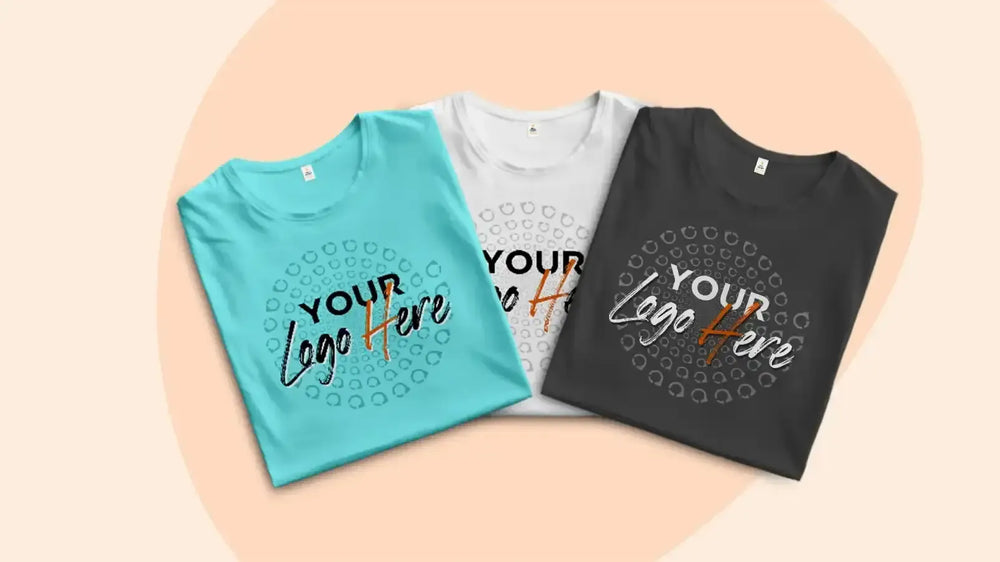
A custom apparel order becomes easier to control when everyone involved knows which decisions are still flexible and which decisions have already been approved. Changing a shirt color early may be simple. Changing garments after sizes have been collected can affect an entire roster. Correcting a name before personalization is finalized is different from discovering the error after the order has moved forward. Custom One Online provides custom T-shirt printing for Springfield, Massachusetts customers planning apparel for businesses, teams, organizations, families, events, personal projects, and merchandise.
Instead of treating every decision as equally changeable until the end, a project can establish clear commitments as it develops. Garments, wording, artwork, personalized information, quantities, and timing become connected. Understanding those connections helps Springfield customers create custom apparel without allowing one late adjustment to create unnecessary changes throughout the rest of the order.
Know What the Order Is Promising Before Production Begins
Every custom apparel project contains commitments, even when they are not written down formally. A business ordering shirts for employees is promising that each employee will receive the appropriate garment and size. A team is expecting names or numbers to correspond to the correct players. A family may be expecting a particular year, photograph, surname, or celebration message to appear accurately.
An event order creates similar commitments. Organizers may need one version while volunteers or participants receive another. Merchandise introduces a different promise: each design, garment, and size offered as part of the collection should correspond to the planned release.
These commitments are connected. Changing one part of the order can affect another. That is why it helps to identify the decisions that control other decisions instead of viewing the project as a collection of independent choices.
Understand Which Decisions Depend on Other Decisions
Garment selection affects size collection because the size belongs to a particular apparel style. A roster affects personalization because names and numbers must correspond to actual wearers. Artwork can influence the printing approach, while the quantity and garment assortment can also influence how the project is produced.
Consider a Springfield team ordering coordinated apparel. If players have already selected garments and sizes, changing the available garment styles may require revisiting those selections. If names and numbers have already been connected to individual records, changing the roster can require updates to personalization as well as quantity.
The same logic applies to a business. Employee apparel can contain a company graphic that remains fixed while garment sizes, departments, or names vary. Adding another employee is more than increasing the total quantity by one if that person also needs a specific size and personalized information.
Families and organizations can use the same dependency thinking. The more clearly each decision is connected to the next, the easier it becomes to understand the effect of a proposed change.
Create a Change Boundary Around Approved Information
Some changes remain relatively contained. Others can cascade across several parts of the project. Establishing a change boundary helps distinguish between the two.
Changing an unassigned merchandise quantity before the order is finalized may affect only the count. Changing a team member's shirt size can affect one wearer record. By contrast, replacing the central team design can affect every garment. Changing the primary apparel style after sizes have been collected can require the size information to be reviewed again.
For a business, updating one employee's department may affect a single personalized garment. Replacing the approved company wording or logo affects the shared artwork and potentially every piece using it. For a family celebration, correcting one relative's size is different from changing the reunion year that appears across the entire order.
The goal is not to prevent useful changes. It is to recognize their reach. Before changing an approved decision, ask what else depends on it.
Separate Shared Commitments From Wearer-Specific Commitments
Coordinated apparel usually contains information that everyone shares and information that belongs only to particular people. Keeping those categories separate creates a more manageable project.
A team identity, business logo, organization graphic, family design, fundraiser concept, or event illustration can form the shared layer. Names, numbers, departments, roles, and individual garment choices form the variable layer.
Customers planning individualized apparel can explore custom names and numbers. Teams working with player identification can also review team T-shirts with numbers.
Each wearer's information should remain together. A player record can contain the garment, size, name, and number. An employee record can contain the selected apparel, size, name, and department. This makes it possible to change one person's information without accidentally modifying another wearer's assignment.
The shared artwork should have its own approved source so individual variations do not gradually become competing versions of the central design.
Let Artwork and Order Requirements Lead to the Printing Decision
The printing method is another decision that depends on what has already been established. The artwork, garments, quantity, and level of variation all help shape the production needs of the project.
When the same business logo, team graphic, organization design, family artwork, or event concept is repeated across multiple garments, screen printing can be considered. Customers planning larger repeated-design projects can also explore wholesale screen printing.
Suitable detailed digital graphics can lead customers to consider direct-to-garment printing. DTG prints digital artwork directly onto apparel and can be relevant when the characteristics of the artwork fit that approach.
Logos, illustrations, event graphics, merchandise designs, and other custom artwork can also be considered for direct-to-film printing. Projects involving lettering, names, numbers, or certain graphic elements can make heat transfer and vinyl printing another route to review.
Rather than locking a production method before the project is understood, allow the actual artwork and apparel requirements to provide the context for that choice.
Recognize What Changes When the Blank Garment Changes
Changing the blank is not merely a visual preference. The garment is connected to size, wearer choice, artwork placement, quantity, and the overall apparel assortment. This is why garment decisions deserve attention before a large roster is considered final.
A project can extend beyond standard short-sleeve shirts with custom long-sleeve T-shirts. Businesses, teams, organizations, families, and creative collections can also consider custom hoodies with no minimum.
Fitness groups, casual projects, trips, events, and merchandise releases may incorporate custom tank tops, while another silhouette is available through custom V-neck T-shirts. Projects involving younger wearers can explore custom kids' shirts.
If several garment styles are included, record the garment and size together. A medium hoodie and medium T-shirt are separate commitments. Keeping those details connected becomes particularly important when one shared design is being applied across a mixed apparel collection.
Commit to Quantity Only After the People and Inventory Are Understood
Quantity can be built from the actual structure of the project instead of being selected as an isolated number. A team can count completed roster entries. A business can combine employee assignments with separately planned company stock. A family can total the garments requested by participating relatives. Event quantities can be divided according to organizers, volunteers, staff, participants, or other roles.
Not every project needs a group. A personalized gift, hobby design, individual illustration, announcement, or experimental piece can remain a single-garment project. Customers can explore custom T-shirts with no minimum when a small quantity matches the purpose.
When the project expands to a broader audience, custom bulk T-shirts can support larger quantities.
Once the quantity is approved, additions and removals should be evaluated for their connected effects. Adding a person to a personalized order may also add a garment, size, name, number, or role. Removing someone requires those same linked details to be removed consistently.
Handle One-Off and Photo Projects Without Forcing Them Into Group Logic
Some custom apparel projects intentionally break away from repeated group artwork. A single personalized shirt may exist only as a gift, keepsake, announcement, or creative experiment. A photo shirt may depend on one specific image that will never be reused for another project.
Customers creating image-centered apparel can explore a custom photo T-shirt. Graduation portraits, family photographs, friendship pictures, pet images, vacation memories, and memorial photos can be combined with names, dates, years, captions, or short messages.
For these projects, the image itself becomes a critical commitment. If several similar photographs exist, identify the exact source file before the design is approved. Then review accompanying names, dates, years, and captions independently.
A one-piece order may have fewer garments to track, but accuracy still matters because there may be no repeated version against which to notice an inconsistency.
Treat Merchandise as a Release With Its Own Commitments
Artists, illustrators, designers, entrepreneurs, independent brands, clubs, and organizations may create apparel for future customers rather than known recipients. In this situation, the commitments belong to the collection itself.
A creator might approve one illustration for the first release, choose a limited garment assortment, and establish a size range. Those choices define the initial catalog. Adding another garment later creates a new variation that should still connect visually to the original release.
Design names, artwork versions, garment selections, and size assortments can remain consistent within the release so the collection is understandable. A small first release can be appropriate when the audience is still developing, while growing demand can lead to larger quantities.
Keeping the release definition stable also makes future expansion more deliberate. New artwork or garments can be introduced as intentional additions rather than accidental variations of an unclear original.
Repair a Broken Source Before Building More Versions From It
An older logo, missing source file, low-quality graphic, or damaged artwork can become a weak dependency if many garments are supposed to rely on it. Creating numerous personalized versions before resolving the source can multiply the problem.
Customers whose existing artwork needs preparation can explore design review and repair. Projects involving older or problematic files can also consider art repair and file recovery.
Once a dependable source is established, identify it clearly as the master. Business variations, team personalization, event roles, and merchandise adaptations can then branch from that approved artwork.
Before the source is considered settled, review business names, personal names, slogans, dates, years, event titles, captions, and other visible wording. A corrected master prevents the same error from being inherited by every later version.
Establish a Freeze Point When Changes Need to Stop
Every time-sensitive project eventually reaches a point when continued changes can interfere with the planned schedule. A birthday, graduation, reunion, fundraiser, competition, trip, company activity, promotional program, or organization event may have a fixed date, but the apparel can be needed earlier for sorting or distribution.
Customers working with shorter timelines can explore same-day printing T-shirts and review same-day shipping information.
Before the project's freeze point, settle the information that determines the finished garments: approved artwork, garment selections, sizes, quantities, personalized details, photographs, and role variations. Changes proposed after that point should be considered in light of everything they affect.
This does not mean rushing approval. It means allowing enough time for careful decisions before the project reaches the stage when those decisions need to remain stable.
Release the Order Only When Every Commitment Agrees
The final state of the project should be more than an attractive design. The artwork, garments, wearer information, quantity, and timing should all describe the same order.
Start with the shared information. Confirm the correct business logo, team identity, family graphic, organization design, event concept, photograph, or creator artwork. Read visible names, slogans, dates, years, captions, and other wording carefully.
Then look at the variable information. Each personalized garment should connect the correct wearer with the correct garment, size, name, number, department, or role. If several apparel styles are included, make sure size totals remain attached to the appropriate garments.
Compare the quantity with the people and inventory it represents. Employee assignments, team roster entries, family requests, event roles, general business stock, and merchandise should collectively explain the final count.
Finally, consider the change boundary. The approved artwork should have a dependable master. Wearer-specific variations should branch from the correct source. Garment selections and sizes should agree, and the schedule should reflect when the apparel actually needs to be ready.
When those commitments align, the order has reached an approved state. It can move forward as one connected custom apparel project rather than a collection of unrelated decisions.