








Custom T-Shirt Printing in Waterloo, Iowa – Screen Printing, DTF, DTG, and Personalized Apparel
Waterloo has been shaped by people who made, moved, repaired, packed, assembled, organized, and transported things. Railroads accelerated the city's nineteenth-century growth. Meatpacking became a major employer. Agricultural machinery helped establish Waterloo as an industrial center, and generations of workers contributed to factories, foundries, shops, warehouses, and supporting businesses. The Cedar River runs through a community whose story also includes migration, labor, African American history, neighborhoods, recreation, museums, arts, and family life.
That background suggests a useful way to plan custom apparel: separate what a project records from what it coordinates. A retirement shirt may record a person's years of work. Employee shirts can coordinate a crew that needs a common identity today. A reunion shirt records family history while also helping relatives recognize one another. Team shirts coordinate current players, but names and dates can later turn those same garments into records of a season.
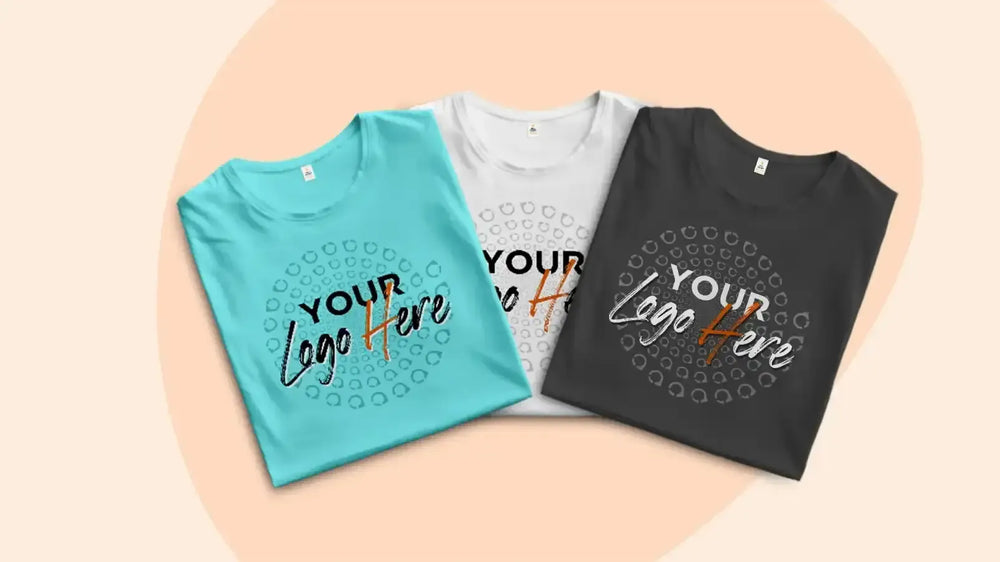
Custom One provides online custom t-shirt printing for customers and projects in Waterloo, Iowa. Eligible orders can range from one custom T-shirt with no minimum to employee apparel, family shirts, recreational clothing, volunteer garments, creator merchandise, commemorative projects, and larger bulk custom T-shirt orders using original, licensed, or appropriately authorized artwork.
Is the Shirt Organizing People Today or Recording Something for Later?
A crew shirt and a retirement shirt can come from the same workplace but perform different jobs. The crew shirt may need a clear approved company identity, employee role, or department. The retirement shirt might emphasize a person's name, dates, occupation, or an authorized photograph.
The same distinction appears in community projects. Volunteer shirts can identify participants while an event is happening. Afterward, the date and project name preserve what those volunteers accomplished. A recreational team's numbers serve an immediate practical purpose, while the season and roster become historical information once competition ends.
Projects do not have to choose exclusively between the two functions. Instead, decide which information helps the group operate now and which information will help the garment remain understandable later.
The Cedar River Predates Every Modern Boundary in Waterloo
Waterloo developed along the Cedar River in Black Hawk County. Euro-American settlement in the area expanded during the middle of the nineteenth century, and the community originally carried the name Prairie Rapids Crossing before Waterloo became the established name.
The Cedar River provided a geographic focus, while rich agricultural land in the surrounding region supported settlement and commerce. Rail transportation later accelerated development and helped connect Waterloo's industries with markets beyond northeastern Iowa.
River-related apparel can use independently developed water lines, creator-owned landscape photography, original fish or plant illustrations, bridge-inspired geometry, or family stories connected with the Cedar Valley. The river itself is a geographic subject; an existing tourism logo, municipal map, artist's river illustration, professional photograph, or organization identity is a separate creative asset.
Match the Printing Method to the Job the Garment Has to Perform
| Apparel Need | Process to Consider | Example Direction |
|---|---|---|
| Suitable repeatable graphics | Screen printing | Employee apparel, organizations, reunions, merchandise, events |
| Suitable detailed digital graphics | DTF printing | Detailed illustrations and selected multicolor designs |
| Suitable authorized photographs | DTG printing | Family photos, commemorative images, selected creator artwork |
| Suitable variable information | Heat transfer and vinyl | Names, numbers, departments, roles, selected lettering |
Quantity, garment composition, artwork characteristics, personalization, placement, and intended use can all affect production decisions. A repeatable two-color employee graphic and a detailed authorized historical family photograph can require different approaches even when the final garments are being worn at the same event.
Waterloo's Industrial History Is Only One Layer of the Region's Past
Modern Waterloo developed within a much older Iowa landscape. Across different periods, the broader region has historical connections with Indigenous peoples including the Meskwaki, Sauk, Ioway, Ho-Chunk, Dakota, and other Native nations. Treaties, land cessions, federal policies, settlement pressure, and forced displacement profoundly changed Indigenous relationships with lands throughout Iowa during the nineteenth century.
Indigenous history in Iowa should not be presented exclusively in the past tense. Meskwaki people began purchasing land in Tama County in 1857, establishing the foundation of the Meskwaki Settlement. The Meskwaki Nation remains a living sovereign Tribal nation in Iowa.
Custom apparel should not collapse distinct nations into generic “Native Iowa” decoration. Tribal seals, community-specific symbols, Native languages, traditional designs, ceremonial imagery, cultural objects, historical cultural materials, archaeological resources, and works by identifiable Indigenous artists may require authorization and appropriate context.
Public display, archival access, museum availability, historical publication, or online visibility does not automatically establish cultural authorization or merchandise reproduction rights. Projects without an appropriate relationship can use original non-cultural river, prairie, agricultural, industrial, family, architectural, or contemporary Waterloo subjects instead.
Railroads Helped Turn Waterloo into an Industrial City
Rail connections were central to Waterloo's expansion during the second half of the nineteenth century. The community became an important regional transportation point, allowing agricultural products, manufactured goods, workers, and other materials to move through the Cedar Valley.
Railroad history also intersects with Waterloo's labor and migration history. During the early twentieth century, African American workers came to Waterloo in significant numbers in connection with railroad employment, including workers recruited during the Illinois Central labor dispute of 1911.
Railroad-inspired apparel can focus on independently illustrated rails, tools, equipment forms, occupational terminology, documented family employment, or original transportation graphics. Historic railroad photographs, corporate marks, museum displays, advertisements, branded rolling stock, and archival artwork should be evaluated individually before merchandise reproduction.
African American Labor and Community History Is Essential to Understanding Waterloo
Waterloo developed one of Iowa's most significant African American communities during the twentieth century. African Americans had lived in the Cedar Valley earlier, but migration increased substantially during the 1910s. Many workers came from the South, including Mississippi, in connection with Illinois Central Railroad employment.
Industrial opportunities later included the Rath Packing Company and John Deere. Families established homes, churches, organizations, businesses, and social networks while confronting housing discrimination and segregation. Restrictive practices limited where Black residents could obtain housing, contributing to the development of an area remembered as Waterloo's Black Triangle.
Waterloo's African American history extends far beyond employment. Residents built community institutions, participated in organized labor, challenged discrimination, developed businesses, and contributed to civil rights activity and the cultural life of the Cedar Valley.
A historical apparel project can center a documented family worker, neighborhood organization, occupation, year, community story, or original illustration. Archival photographs, oral-history recordings, museum graphics, newspaper images, union materials, and works by identifiable artists or photographers should only be reproduced when appropriate rights exist.
Rath Packing Became Part of Waterloo's Industrial and Family History
The Rath Packing Company was established in Waterloo in the late nineteenth century and grew into one of the city's major employers. Meatpacking connected Waterloo's agricultural surroundings with industrial processing, transportation, and a large urban workforce.
For generations of families, the packing plant was more than a corporate name. It represented shifts, occupations, coworkers, union activity, paychecks, difficult working conditions, family migration, and changing economic circumstances.
A family commemorating a relative's packinghouse career can build a design around the person's name, years of employment, documented job, original industrial illustration, or appropriately authorized family photograph. That can preserve the human history without requiring reproduction of a historic corporate trademark or packaging design.
Historical company logos, advertisements, product labels, professional photographs, union marks, and museum assets may have rights holders or usage restrictions and should be evaluated separately.
Tractor Manufacturing Connected Waterloo with Farms Far beyond Iowa
Waterloo's industrial identity changed again when Deere & Company acquired the Waterloo Gasoline Engine Company in 1918. The Waterloo Boy tractor became important to Deere's developing tractor business, and agricultural equipment manufacturing became deeply associated with the city's economy.
That manufacturing story involves far more than finished tractors. Foundry work, machining, assembly, engineering, maintenance, logistics, inspection, office work, suppliers, and generations of employees all became part of Waterloo's industrial experience.
Manufacturing-related shirts can focus on an employee's actual occupation, original gear or tool graphics, family employment dates, independent mechanical illustrations, or creator-owned industrial photography.
John Deere names, logos, recognizable branded product graphics, proprietary drawings, marketing images, and corporate photography should only be reproduced with appropriate authorization. A family connection with the company does not automatically grant merchandise rights to corporate trademarks.
Employee Apparel Can Coordinate a Crew without Pretending to Be Safety Equipment
Waterloo businesses operate across manufacturing, construction, healthcare, restaurants, transportation, professional services, logistics, retail, home services, technology, hospitality, and many other industries. Custom shirts can help legitimate employees present a consistent identity when appropriate.
A contractor may need approved company branding. A restaurant can distinguish staff from customers. A warehouse team might use department information. A community-facing organization may need volunteer and staff garments to look clearly different.
Suitable repeatable company graphics may be considered for custom screen printing. Organizations preparing larger quantities can explore wholesale screen printing.
Standard decorated shirts should not automatically be considered high-visibility clothing, flame-resistant workwear, electrical PPE, chemical-resistant apparel, medical PPE, food-processing protective clothing, or another specialized occupational product. Employers with technical safety requirements should verify the applicable specifications of the underlying garment.
Downtown and Cultural Projects Can Record Contemporary Waterloo Too
Waterloo is not only an industrial-history subject. Downtown activity, the Cedar River, museums, performing arts, visual arts, restaurants, public spaces, and contemporary businesses provide material for creators interested in the city as it exists now.
A photographer can use creator-owned riverfront or architectural images. An illustrator can develop independent streetscape artwork. A musician can commission graphics for a local performance. A restaurant can create merchandise around its own food and identity. A maker can translate tools or materials from their craft into a design.
Creators testing suitable artwork can explore create-your-own apparel or customizable T-shirts with no minimum.
Museum exhibits, public art, murals, professional photographs, song lyrics, album artwork, city graphics, corporate identities, and works by other identifiable artists can still have rights holders even when accessible to the public.
Family Shirts Can Become Small Historical Records
Waterloo families may order apparel for reunions, birthdays, graduations, weddings, anniversaries, memorials, retirement celebrations, vacations, neighborhood gatherings, and multigenerational milestones.
For families with long Cedar Valley histories, a shirt might document a migration year, neighborhood, occupation, military service, farm, business, factory job, or family branch. For newer families, the meaningful record may simply be the year relatives gathered in Waterloo.
Suitable photographic projects can explore a custom photo T-shirt. Families ordering across generations can also browse custom kids' shirts, custom V-neck T-shirts, and custom hoodies with no minimum.
Professional wedding photographs, graduation portraits, school photography, newspaper images, studio portraits, and other third-party photographs should only be reproduced with appropriate permission.
Today's Team Shirt Can Become Tomorrow's Season Record
Waterloo supports baseball, hockey, basketball, soccer, softball, running, cycling, swimming, golf, fitness activities, youth athletics, and other recreation. Independent teams and informal groups can develop original identities appropriate to their participants.
Names and numbers have immediate practical value during a season, but they also record who participated. A year, division, or independent team identity can give the garment meaning after the competition ends.
Suitable personalized projects can explore team T-shirts with numbers and custom names and numbers.
Professional, collegiate, school, league, tournament, facility, and event marks may require authorization. Participation, attendance, fandom, or facility use does not automatically provide merchandise rights to another organization's branding.
Community Shirts Can Coordinate Participation without Implying Official Status
Churches, charities, food programs, neighborhood organizations, cultural groups, environmental initiatives, youth programs, health organizations, and other Waterloo community projects may need apparel for volunteers, outreach, fundraising, or events.
When the immediate purpose is coordination, legitimate labels such as “VOLUNTEER,” “STAFF,” or an approved organization name can help visitors identify participants. A date, project title, or original illustration can preserve the occasion after the event.
Organizations planning specialized quantities, mixed garments, or other production requirements can request a custom apparel quote.
Working with the City of Waterloo, Black Hawk County, State of Iowa, a Tribal nation, museum, school, healthcare provider, government agency, nonprofit, emergency service, manufacturer, or other business does not automatically authorize reproduction of that organization's seals, badges, logos, cultural materials, uniforms, or protected marks.
Military Commemoration Requires Care with Official Marks
Waterloo also has significant World War II history, including the story of the five Sullivan brothers, who served together aboard the USS Juneau and were killed after the ship was sunk in November 1942. The brothers' story became nationally known and remains an important part of Waterloo's historical memory.
Independent commemorative apparel can use verified names, dates, original typography, authorized family material, or newly created non-official illustrations where appropriate. Existing museum exhibits, professional photographs, official military emblems, unit insignia, Navy seals, ship insignia, government marks, and another artist's commemorative artwork should not automatically be reproduced.
A historical subject may be discussed without making independent merchandise appear to be an official product of the U.S. military, a museum, government agency, veterans organization, or another institution.
Separate Historical Evidence from Production Artwork
A Waterloo project might gather railroad photographs, family records, Rath Packing references, John Deere material, African American oral histories, Indigenous-history research, military information, approved business logos, participant spreadsheets, and original sketches. Research material and printable artwork should not be treated as the same category.
Useful file labels can include ORIGINAL-ART, APPROVED-LOGO, AUTHORIZED-PHOTO, FAMILY-RECORD, HISTORICAL-REFERENCE, CULTURAL-REFERENCE, CORPORATE-REFERENCE, MILITARY-REFERENCE, REFERENCE-ONLY, AUTHORIZATION-PENDING, FINAL-ROSTER, and FINAL-PRODUCTION.
Eligible projects can explore design review and repair. Selected graphics may also benefit from an art repair and file recovery service.
Technical cleanup, tracing, rebuilding, redrawing, cropping, vectorization, background removal, or file conversion does not create copyright, trademark, publicity, cultural, Tribal, military, government, corporate, museum, school, sports, or other reproduction rights.
The Same Story Can Continue across Several Garments
A family history project might require youth and adult shirts. Employee programs may combine short sleeves with long sleeves. A fundraiser can offer T-shirts and hoodies. Recreational groups may need products suited to different participants or seasons.
Customers can browse custom T-shirt printing alongside custom tank tops, custom long-sleeve shirts, custom kids' shirts, custom V-neck T-shirts, and custom hoodies with no minimum.
Necklines, seams, pockets, hoods, printable dimensions, and fabric compositions can differ. Layouts may need adjustment so the important identity or historical information remains useful instead of forcing identical artwork dimensions onto every product.
Record the Event Date and Plan Backward from It
Employee programs, retirement celebrations, family reunions, recreational tournaments, volunteer events, graduations, business promotions, historical programs, fundraisers, performances, and merchandise releases can have fixed dates. Apparel is most useful when it arrives before the people who need it assemble.
Qualifying projects can explore same-day shipping custom apparel. Same-day shipping means an eligible order is dispatched within the applicable timeframe. It does not mean guaranteed same-day delivery to Waterloo, Iowa.
Artwork readiness, personalization, cutoff times, garment availability, order complexity, production eligibility, destination, carrier schedules, weather, and transit conditions can affect arrival. Customers working toward a fixed date should review same-day shipping information and allow appropriate carrier transit time after dispatch.
Create Waterloo Apparel That Works in the Present and Records What Matters
Waterloo has a particularly strong relationship between work and memory. Railroads helped build the city. Meatpacking employed generations. Agricultural machinery connected local manufacturing with farms across the country. African American workers and families helped shape Waterloo while building communities and challenging discrimination. The Cedar River, neighborhoods, museums, arts, recreation, families, and community organizations add many other dimensions to the city's identity.
Custom apparel can operate on both sides of that history. A shirt can coordinate an employee crew today and later record an anniversary. A family reunion shirt can help participants connect while preserving names and dates. Team apparel can organize players while documenting a season. A retirement shirt can turn decades of work into a personal record. Historical projects can communicate researched stories through original or appropriately authorized artwork.
Custom t-shirt printing in Waterloo, Iowa can support manufacturers, contractors, restaurants, retailers, healthcare organizations, transportation businesses, professional services, families, schools, churches, nonprofits, volunteers, recreational groups, photographers, artists, musicians, makers, historical programs, neighborhood organizations, and independent brands. Eligible projects can range from one personalized garment to bulk apparel involving multiple products, sizes, names, numbers, departments, and participant roles.
Custom One provides online options for screen printing, DTG, DTF, heat transfer vinyl, photo shirts, custom names and numbers, no-minimum apparel, and bulk printing. Original or appropriately authorized artwork, accurate treatment of Waterloo's labor and African American history, respectful handling of Meskwaki, Sauk, Ioway, Ho-Chunk, Dakota, and other relevant Indigenous histories and cultural material, responsible use of corporate, military, government, museum, school, sports, and third-party assets, organized production files, garment-aware layouts, and realistic shipping expectations can help create Waterloo apparel that serves people now while preserving information worth carrying forward.