









Custom T-Shirt Printing in Wichita, Kansas – Screen Printing, DTF, DTG, and Personalized Apparel
Wichita has spent much of its history making things move: trade across the Arkansas and Little Arkansas rivers, cattle along regional routes, grain through a growing commercial center, aircraft through manufacturing plants, and people and goods through a transportation network connecting south-central Kansas with a much larger region. The city is now Kansas's largest, yet its identity is not defined by size alone. Aviation, manufacturing, entrepreneurship, universities, neighborhoods, parks, arts, families, and community organizations all contribute to contemporary Wichita.
For custom apparel, Wichita suggests a useful planning idea: identify the threshold where a project becomes a different kind of project. One company logo printed on 40 shirts is primarily a repeatable apparel order. Add 40 individual employee names and the project now includes personalization. A family photograph may be straightforward until it includes copyrighted studio photography. An aviation illustration may be independent artwork until a protected manufacturer logo or military insignia is added. Small changes can move an order into a new production, authorization, or organizational category.
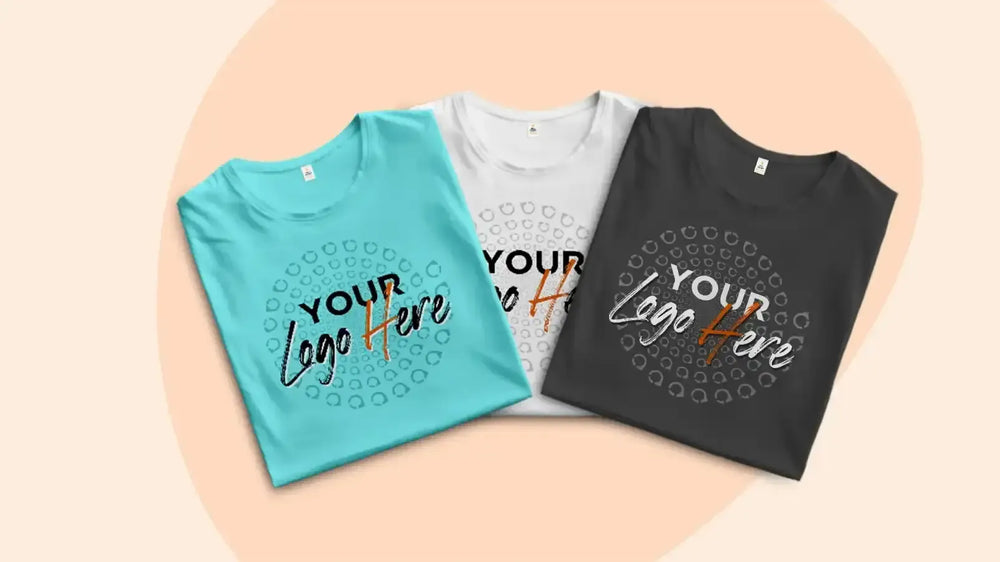
Custom One provides online custom t-shirt printing for customers and projects in Wichita, Kansas. Eligible orders can range from one custom T-shirt with no minimum to employee clothing, family apparel, recreational shirts, volunteer garments, creator merchandise, event clothing, and larger bulk custom T-shirt orders using original, licensed, or appropriately authorized artwork.
Know When One Added Detail Changes the Whole Project
Suppose a Wichita business orders identical shirts for an employee event. Sizes and quantities vary, but the artwork remains the same. Now suppose every shirt needs a different employee name. The graphic may not have changed, yet the production information has.
A recreational team crosses a similar threshold when a shared team shirt becomes a roster containing unique names and numbers. A creator project changes when an original airplane silhouette becomes a reproduction of a manufacturer's protected identity. A historical shirt changes when independent typography is supplemented with a photograph from an archive whose reproduction terms have not been checked.
These thresholds matter because they help project organizers notice when a seemingly small addition requires another decision. Before adding a logo, photograph, name, number, government mark, cultural symbol, sponsor, or new garment type, determine whether that addition changes what must be verified or supplied.
Wichita Developed at a Longstanding Meeting Place
Present-day Wichita sits near the confluence of the Arkansas and Little Arkansas rivers. Archaeological and historical evidence shows that the area served as a meeting, travel, hunting, and trading place long before a modern city existed.
During the Civil War period, Wichita people moved north from Indian Territory and established a settlement of grass houses near the river confluence in 1863. Traders followed, and non-Native settlement expanded during the 1860s. Wichita was incorporated in 1870.
The river setting can inspire independent contemporary artwork without requiring reproduction of an existing city graphic. Original water lines, riparian plants, abstract confluence geometry, creator-owned river photography, independently illustrated wildlife, or newly developed typography can establish a geographic connection.
Existing municipal maps, tourism illustrations, museum graphics, professional photography, public artwork, historical reproductions, and organizational logos should be evaluated separately before merchandise use.
Wichita's Name Belongs to a Living Indigenous History
The Wichita people are not simply the source of the city's name or a historical chapter preceding non-Native settlement. Wichita and Affiliated Tribes communities have continuing identities and histories extending far beyond the founding of the Kansas city that carries the Wichita name.
The wider south-central Kansas region also has important historical connections with Osage, Kiowa, Southern Cheyenne, Arapaho, Comanche, and other Native peoples across different periods. Historical accounts of the area describe Native hunting, trade, movement, territorial relationships, displacement, and the consequences of United States expansion and federal policies.
This history should not be reduced to generalized “Plains Indian” decoration. Tribal nations and communities are distinct. Tribal seals, community-specific symbols, Native languages, traditional designs, ceremonial imagery, cultural objects, archaeological materials, historical cultural resources, and works by identifiable Indigenous artists may require authorization and appropriate context.
Public display, museum access, historical publication, archaeological documentation, archival availability, or online visibility does not establish cultural authorization or merchandise reproduction rights. Projects without an appropriate relationship can use original non-cultural river, prairie, botanical, aviation, architectural, family, industrial, or contemporary Wichita subjects instead.
Different Project Categories Can Point toward Different Printing Methods
- Screen Printing
- Suitable repeatable business graphics, family designs, event identities, organization artwork, and merchandise may be considered for screen printing, depending on artwork, garment, quantity, and production requirements.
- Direct-to-Film Printing
- Suitable detailed digital illustrations and multicolor artwork may be considered for DTF printing.
- Direct-to-Garment Printing
- Suitable authorized photographs and selected image-rich designs may be candidates for DTG printing, depending on garment and image characteristics.
- Heat Transfer and Vinyl
- Suitable employee names, team numbers, departments, participant roles, and selected lettering may use heat transfer or vinyl printing or another appropriate personalization process.
The best production direction depends on more than quantity. Garment composition, image characteristics, placement, personalization, and intended use can all affect how an eligible design is produced.
Cattle Trade Gave Early Wichita Its Cowtown Reputation
After incorporation, Wichita became an important destination in the cattle trade. The Chisholm Trail brought herds north from Texas, and Wichita developed businesses serving cattlemen, traders, travelers, and the growing settlement.
The arrival of the Santa Fe Railway in 1872 strengthened Wichita's role as a cattle-shipping center. The cattle boom was relatively short, however. By the late 1870s, changing routes, fencing, settlement, and other factors shifted much of the trade farther west.
Western history can provide apparel subjects, but it does not require repeating familiar cowboy clip art. Original cattle-brand-inspired geometry that does not copy an existing registered brand, independently drawn equipment, documented family ranch history, typography, prairie plants, or original transportation imagery can create a more specific project.
Historical photographs, museum displays, commercial Western illustrations, trademarked brands, archival posters, and another creator's artwork should only be reproduced when appropriate rights exist.
Wichita Did Not Remain a Cattle Economy
By the 1890s, grain production and milling had become major parts of Wichita's economy. Another significant shift followed the discovery of oil in the region during the 1910s. Oil-related wealth encouraged additional services, distribution businesses, manufacturing, and metalworking.
This pattern is useful for local apparel because it demonstrates that Wichita's history cannot be summarized by one era. A historical organization might focus narrowly on milling. A family might document generations in agriculture. An industrial business can build apparel around its actual present-day work instead of borrowing a cowboy theme simply because Wichita once had a famous cattle trade.
Historical corporate identities, petroleum logos, mill brands, advertisements, packaging, and photographs may have separate rights considerations even when the underlying industry is part of Wichita history.
Aviation Changed Wichita on an Extraordinary Scale
Wichita's twentieth-century development became closely connected with aircraft manufacturing. Clyde Cessna moved aircraft manufacturing activity to Wichita during the 1910s, and the first airplane known to have been completed in Wichita was built in 1917. During the 1920s, entrepreneurs and engineers including Cessna, Walter Beech, Lloyd Stearman, and others helped establish an aviation industry that grew rapidly.
By 1928, Wichita was promoting itself as the “Air Capital of the World.” Aviation manufacturing expanded dramatically during World War II, when tens of thousands of workers participated in aircraft production. The industry continued shaping employment, engineering, manufacturing, education, and the city's identity after the war.
Aviation gives Wichita designers an enormous visual vocabulary, but aircraft subjects require careful distinctions. An independently illustrated generic aircraft form is different from a manufacturer's protected logo. A creator-owned photograph is different from a company's marketing image. A family shirt honoring an aircraft worker is different from merchandise implying endorsement by that worker's employer.
Aircraft manufacturer trademarks, proprietary technical drawings, company logos, airline identities, museum graphics, professional aircraft photography, military insignia, squadron marks, and government emblems may require authorization.
Aircraft History Is Also Worker History
The Wichita aviation story includes engineers and famous company founders, but it also includes machinists, assemblers, inspectors, draftspeople, toolmakers, office employees, pilots, maintenance workers, suppliers, and generations of families whose livelihoods were connected with aircraft production.
During World War II, rapid manufacturing expansion brought major workforce and neighborhood changes. Wartime production employed large numbers of people, including women entering industrial jobs in substantial numbers. Housing and transportation systems expanded to support the workforce.
A family project can therefore focus on an actual relative's occupation rather than trying to reproduce an aircraft company's identity. Original rivet patterns, independently illustrated tools, family photographs with appropriate permission, employee dates, or documented job titles can tell a more personal story.
Employment by an aerospace company or service in the military does not automatically grant merchandise rights to corporate trademarks, official military insignia, unit marks, badges, seals, or government emblems.
Business Apparel Can Cross a Threshold from Promotion to Identification
Wichita's economy includes aerospace, manufacturing, healthcare, construction, logistics, restaurants, retail, energy, professional services, technology, education, hospitality, home services, and numerous independent businesses.
A promotional shirt primarily advertises. A uniform-style employee shirt may also identify who legitimately represents a company. That distinction can influence placement, clarity, role information, and consistency.
Suitable repeatable business graphics may be considered for custom screen printing. Organizations preparing larger quantities can explore wholesale screen printing.
Standard decorated apparel should not automatically be considered high-visibility clothing, flame-resistant workwear, electrical PPE, chemical-resistant garments, medical PPE, aviation safety apparel, or another specialized occupational product. Employers requiring technical protection should verify applicable garment specifications.
College-Related Projects Need a Clear Line between Community and Institutional Branding
Wichita is home to higher-education institutions including Wichita State University, Friends University, and Newman University. Wichita State traces its history to Fairmount College, founded in the 1890s, and later became a municipal university before joining the Kansas state university system in 1964.
Students, alumni families, research groups, independent clubs, graduation parties, and businesses serving university communities may all have apparel needs. A graduation family can celebrate a graduate with names, dates, original typography, or family artwork without necessarily reproducing institutional marks.
University names used descriptively and protected university logos, mascots, athletic identities, departmental marks, official seals, photographs, and merchandise designs are different matters. School and collegiate branding may require authorization.
One Extra Photograph Can Turn a Text Design into a Photo Project
Wichita families may create apparel for reunions, birthdays, graduations, weddings, anniversaries, memorials, retirement celebrations, vacations, and multigenerational milestones.
A surname-and-year design may involve only original typography. Adding an old family photograph introduces questions about image quality and possibly reproduction rights. Adding individual names introduces spelling and personalization. Adding several generations may require youth and adult garments.
Suitable photographic designs can explore a custom photo T-shirt. Families ordering across age groups can browse custom kids' shirts, custom V-neck T-shirts, and custom hoodies with no minimum.
Professional wedding photographs, graduation portraits, school photography, studio images, newspaper photographs, and other third-party images should only be reproduced with appropriate permission.
Community Projects Can Become More Complex When Partners Are Added
Churches, charities, food programs, neighborhood organizations, cultural groups, environmental projects, youth programs, health initiatives, and other Wichita organizations may use apparel for fundraising, volunteer identification, outreach, or events.
A project using only its organizer's authorized identity may be straightforward. Add five partner logos and the project now requires confirmation that each mark is current, approved, correctly reproduced, and legitimately included.
Organizations planning specialized quantities, mixed garments, or production requirements can request a custom apparel quote.
Working with the City of Wichita, Sedgwick County, State of Kansas, a Tribal nation, university, school, museum, healthcare provider, government agency, nonprofit, military installation, emergency service, or business does not automatically authorize reproduction of that organization's seals, badges, logos, cultural material, uniforms, insignia, or protected marks.
Adding a Roster Changes a Team Shirt into a Personalized Order
Wichita residents participate in baseball, softball, basketball, soccer, football, running, cycling, golf, swimming, fitness activities, youth athletics, and other recreation. Independent groups can create original team names, typography, mascots, and activity-based graphics.
When every player receives identical artwork, production information can remain relatively simple. Adding individual names and numbers creates a roster that needs accurate spelling, numbering, garment sizes, and participant assignments.
Suitable personalized projects can explore team T-shirts with numbers and custom names and numbers.
Professional, collegiate, school, league, tournament, race, facility, and event marks may require authorization. Participation or fandom does not automatically provide merchandise rights to another organization's branding.
Wichita Creators Have More to Work with Than Airplanes and Cowboys
Photographers, illustrators, musicians, filmmakers, designers, writers, performers, and makers can interpret Wichita through river environments, architecture, neighborhoods, industrial textures, prairie vegetation, weather, transportation, aviation, street scenes, food, parks, and everyday community activity.
A photographer can use creator-owned city images. An illustrator can study industrial forms without copying corporate branding. A musician can commission original artwork for a performance. A maker can transform tools or materials from their own practice into a graphic.
Creators testing suitable designs can explore create-your-own apparel or customizable T-shirts with no minimum.
Murals, professional photography, song lyrics, album artwork, characters, Tribal cultural material, aircraft branding, university identities, government graphics, and works by other identifiable creators can still have rights holders or cultural restrictions even when publicly visible.
Mark the Moment a New Asset Enters the Project
A Wichita order can accumulate original illustrations, aerospace references, family photographs, company logos, participant rosters, historical research, Indigenous cultural references, university material, sponsor marks, and several artwork versions. Each newly introduced asset should have a clear status.
Useful file labels can include ORIGINAL-ART, APPROVED-LOGO, AUTHORIZED-PHOTO, EMPLOYEE-NAMES, PLAYER-NUMBERS, HISTORICAL-REFERENCE, AVIATION-REFERENCE, CULTURAL-REFERENCE, GOVERNMENT-REFERENCE, AUTHORIZATION-PENDING, FINAL-ROSTER, and FINAL-PRODUCTION.
Eligible projects can explore design review and repair. Selected graphics may also benefit from an art repair and file recovery service.
Technical cleanup, tracing, rebuilding, cropping, redrawing, vectorization, background removal, or format conversion does not create copyright, trademark, publicity, cultural, Tribal, military, government, corporate, university, sports, museum, or other reproduction rights.
Adding Another Garment Type Can Create a New Layout Problem
A design prepared for a standard adult T-shirt may not transfer at identical dimensions to a youth shirt, V-neck, tank top, long-sleeve garment, or hoodie. Necklines, seams, pockets, hoods, printable areas, and fabric compositions can differ.
Customers can browse custom T-shirt printing alongside custom tank tops, custom long-sleeve shirts, custom kids' shirts, custom V-neck T-shirts, and custom hoodies with no minimum.
A mixed-garment order does not necessarily need different creative artwork for every product, but it may require layout adjustments so the design remains practical on each printable surface.
A Tight Deadline Can Turn Shipping into a Major Project Variable
Employee launches, family reunions, recreational tournaments, volunteer events, graduations, business promotions, community programs, fundraisers, performances, and merchandise releases can have fixed dates. The closer the production schedule moves toward that date, the more important artwork readiness, garment availability, and shipping assumptions become.
Qualifying projects can explore same-day shipping custom apparel. Same-day shipping means an eligible order is dispatched within the applicable timeframe. It does not mean guaranteed same-day delivery to Wichita, Kansas.
Artwork readiness, personalization, cutoff times, order complexity, garment availability, production eligibility, destination, carrier schedules, weather, and transit conditions can affect arrival. Customers working toward a fixed date should review same-day shipping information and allow appropriate carrier transit time after dispatch.
Create Wichita Apparel by Recognizing the Changes That Matter
Wichita itself has repeatedly crossed thresholds that changed what kind of city it was. A longstanding Indigenous meeting and trading landscape became the site of expanding non-Native settlement. A young incorporated city became a cattle center. Grain and milling replaced much of the cattle economy's importance. Oil broadened industrial activity. Aircraft manufacturing transformed Wichita into an internationally recognized aviation center. Continued metropolitan growth added universities, healthcare, entrepreneurship, arts, recreation, and increasingly diverse neighborhoods to that story.
Custom apparel projects have their own smaller thresholds. Add personalization and a simple repeatable order becomes a roster. Add a professional photograph and image permission may need attention. Add an aerospace logo and trademark authorization enters the project. Add a Tribal symbol and cultural authority becomes essential. Add another garment type and the layout may require adjustment. Add an urgent event date and shipping assumptions become much more important.
Custom t-shirt printing in Wichita, Kansas can support aerospace and manufacturing companies, contractors, restaurants, retailers, healthcare organizations, professional services, families, universities, schools, churches, nonprofits, volunteers, recreational groups, photographers, artists, musicians, makers, historical programs, neighborhood organizations, and independent brands. Eligible projects can range from one personalized garment to bulk apparel involving multiple products, sizes, names, numbers, departments, and participant roles.
Custom One provides online options for screen printing, DTG, DTF, heat transfer vinyl, photo shirts, custom names and numbers, no-minimum apparel, and bulk printing. Original or appropriately authorized artwork, accurate local history, respectful treatment of Wichita, Osage, Kiowa, Cheyenne, Arapaho, Comanche, and other relevant Indigenous histories and cultural material, responsible handling of aerospace, military, government, university, business, sports, museum, and third-party assets, organized production files, garment-aware layouts, and realistic shipping expectations can help Wichita apparel projects remain manageable as they cross from one level of complexity into another.